
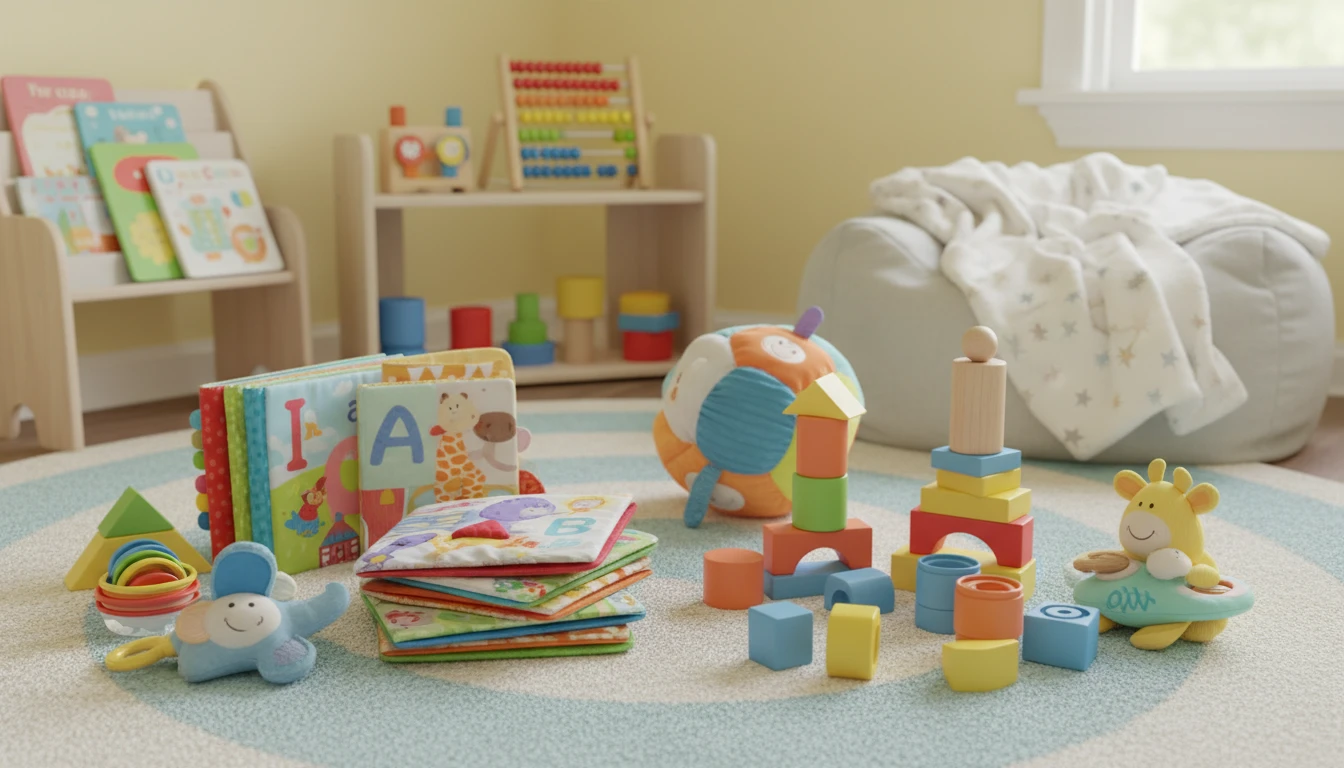
Giving infants the right start can make a huge difference in their development. I’ve seen firsthand how the environment and activities offered in those first years really shape a child’s love for learning. Early learning programs for infants are more than just playgroups. They combine intentional fun, social connection, and gentle early education, all in a way that matches a baby’s natural curiosity.
Finding the right early learning program can feel overwhelming since there are so many options, and every baby’s needs are unique. Here, I’ll break down what these programs offer, what to look for, and some top picks that are worth checking out, whether you want an in-person class, something in your community, or ideas for at-home enrichment.
What Counts as an Early Learning Program for Infants?
Early learning programs for infants usually target ages 0 to 2. These programs are designed to support babies’ growth through play, exploration, and interaction. They’re run in all sorts of places, like daycare centers, libraries, community centers, and sometimes even in your own living room with the help of virtual resources. Early infant learning isn’t just about keeping a baby busy. The activities are thoughtfully planned to match crucial milestones, laying the groundwork for growth in physical, social, and cognitive abilities.
Main Types of Programs You’ll Find:
- Group Play Classes – Think MommyandMe or ParentandChild classes with singing, stories, and movement.
- Formal Infant Daycare – Programs with trained staff focusing on learning through daily routines and carefully chosen activities.
- Library Storytimes – These are usually free and help babies get used to language, music, and socializing.
- AtHome Learning Kits – Monthly subscription boxes or online activity guides designed for parentbaby time at home.
I always recommend finding a program where the grownups get guidance, too. Quality infant programs teach both parents and caregivers how to support development, not just entertain the baby for an hour. Some programs offer additional resources, like takehome materials or online communities, which can make parent learning even easier.
Why Try Infant Early Learning Programs?
The best programs help little ones build skills in their own way, at their own pace. I love seeing the boost in these key areas:
- Language Development – Through singing, repetition, and listening to stories, even the tiniest babies start making connections with sound and rhythm. Simple conversations and musical play are powerful building blocks.
- Motor Skills – Stacking blocks, reaching for bubbles, crawling after scarves. These activities gently encourage physical growth and coordination. Even something as basic as tummy time in a group can support strong muscle growth.
- Social Skills – Even though babies don’t play with each other the way older kids do, being around others and watching interactions helps them feel comfortable in groups. Babies can observe faces, gestures, and shared routines.
- Parent Confidence – This one isn’t talked about enough! Learning simple games, songs, or ways to respond to your baby’s cues makes caring for a little one less stressful and even more fun. Knowing you’re making good choices gives every parent peace of mind.
Everything babies learn early on builds their foundation for later skills. For example, the coordination learned during ball games supports future writing and drawing. It’s not about rushing to milestones but setting up a rich environment for growth and enjoying the time together.
What to Look for in a Great Program
Programs can look pretty different from place to place, but quality always shows up in a few key ways. These are my top things to check when considering an early learning option for an infant:
Key Features:
- Age Appropriate Activities – Everything is safe and designed for infants (no tiny choking hazards, soft surfaces, sensory activities).
- Small Group Sizes – This helps babies get personal attention and keeps the environment calm. Babies can better engage and parents feel more at ease.
- Caregiver Involvement – Good programs invite parents or caregivers to join in and show how learning can happen at home too. This support can be invaluable, especially for firsttime parents.
- Trained Leaders – Staff who know child development or have specialized training in infant care make a world of difference. You’ll notice strong leadership by how they handle fussiness and keep everyone engaged.
- Routine and Flexibility – Some structure gives comfort (like a welcome song every week), but being able to adapt to a fussy or sleepy baby matters, too. Quality programs balance consistency with patience.
Questions to Ask Before Signing Up:
- How does the program handle naps, feedings, or a crying baby?
- What is the adulttoinfant ratio?
- What are the health and safety policies?
- How are caregivers involved during sessions?
- What materials will your child use? Is everything cleaned thoroughly after each session?
- What qualifications or experience do the instructors have?
Top Early Learning Programs for Infants
There are some standout names and styles I usually recommend checking out, and there’s a good chance you’ll find similar local options in your community:
1. MusicBased Classes
- Music Together – This wellknown program uses singing, instruments, and movement for bonding and brain growth. I’ve met families who rave about the difference they notice just after a few weeks.
- Most musicbased classes welcome babies from birth. Just be sure to check age requirements before you go.
2. Sensory and Play Classes
- Gymboree Play and Music – Packed with play structures, colorful props, and handson activities, these classes support gross motor skills and exploration. Look for “Baby Lab” age classes if your little one is on the younger side.
- Local kids’ gyms or children’s museums often run similar baby play sessions, offering variety that can fit different interests and schedules.
3. Library or Community Programs
- Public libraries offer baby storytimes that are free and open to everyone. These feature books, songs, and simple fingerplays, and they’re a great intro to early literacy.
- Some community centers or parks hold “baby and caregiver” meetups with creative activities. These are handy for forming parent support networks, too, and for learning new games you can bring home.
4. Montessori and ReggioInspired Programs
- Some daycares and preschools use Montessori or Reggio Emilia philosophies, emphasizing handson learning and respect for each child’s pacing. Programs offer sensorimotor activities, openended play, and gentle exploration of the world.
- Montessoriinspired programs in particular use natural materials and realworld objects to encourage little ones to explore safely and independently.
5. AtHome Subscription Kits
- Lovevery Play Kits – These monthly boxes deliver expertly designed toys and activity guides for each developmental stage. I’ve heard from parents that the included tips are super helpful for knowing what to do and why.
- Other boxes like Monti Kids or KiwiCo also provide highquality toys and prompts you can use together at home. AtHome kits are especially useful if attending classes isn’t possible or you want extra ideas for busy days.
Tips for Getting the Most Out of Early Learning
- Follow Your Child’s Lead – Some days babies want to get involved and other days, they may be tired or cranky. It’s totally normal. Try to keep things lowpressure and move at their pace!
- Repeat Favorites – Babies love repetition, and it’s the best way for them to learn. Don’t worry about singing the same song or doing the same game again and again.
- Stay Consistent – Regular participation, even once a week, helps babies get comfortable and look forward to the routine. Babies feel secure with familiar faces and patterns.
- Chat With Other Parents – Swap ideas, share what’s working, and get support. Sometimes just talking with someone going through the same stages is a huge help. You never know what excellent local tips you might pick up.
Most importantly, enjoy yourself. The connection and fun you have together is the real heart of early learning. Creating lasting memories through simple songs or playful activities is just as valuable as any milestone.
Common Questions about Infant Learning Programs
How early is too early?
It’s never “too early” for a baby to learn. They’re always soaking up the world around them. Even newborns can benefit from soft music, gentle touch, and calm routines. Early exposure to different experiences gives them a strong start without pressure.
What if my baby isn’t very social or seems shy?
Every baby has their own temperament. Some might just watch for a while before getting involved. Observing is a big part of learning at this age. If group activities seem overwhelming, smaller classes or athome kits can be really nice alternatives. Give your baby time to warm up at their own pace, and they might surprise you over time.
Is virtual programming worth it?
Virtual classes and kits work well for some families, especially if getting out to inperson events is tough. Look for programs that encourage handson activity rather than just screen time; for example, classes where you and your baby participate together using props from home. These can add flexibility and still support growth.
Getting Started: Your Next Steps
Deciding on an early learning program is all about what fits your lifestyle and your baby’s needs right now. Try out a free library session or ask about trial classes before committing. Even small steps, like adding a weekly music or story time at home, can be super helpful for development. Remember, it’s about creating joyful, meaningful moments together more than chasing achievements.
Your Simple Action Plan:
- Pick one style of program to try this month; library storytime, a parentandbaby class, or an athome kit all work well. Start with what feels easiest or most fun for you and your baby.
- Gather a few favorite baby books or toys for easy activities you can do at home. Rotate them to keep things interesting and fresh for your little one.
- Chat with other parents, either in person or online, for program recommendations and support. Building a parent network can lead to lasting friendships and helpful advice.
Which type of program are you most interested in for your little one? Share your thoughts below! And if you have tried any unique community offerings or created your own routine at home, we’d love to hear what worked for you. The adventure of early learning is most rewarding when we share tips and encouragement with others on the same ride.