
Toddlers are never too young to start learning about feelings, empathy, and how to handle big emotions. Early storybooks can play a pretty big role here, opening up ways for little kids to name their feelings, understand others, and grow some social skills—all while curled up on your lap. I’m sharing my favorite storybooks that help nurture emotional intelligence in toddlers, plus some practical tips for picking books and using them in everyday life.
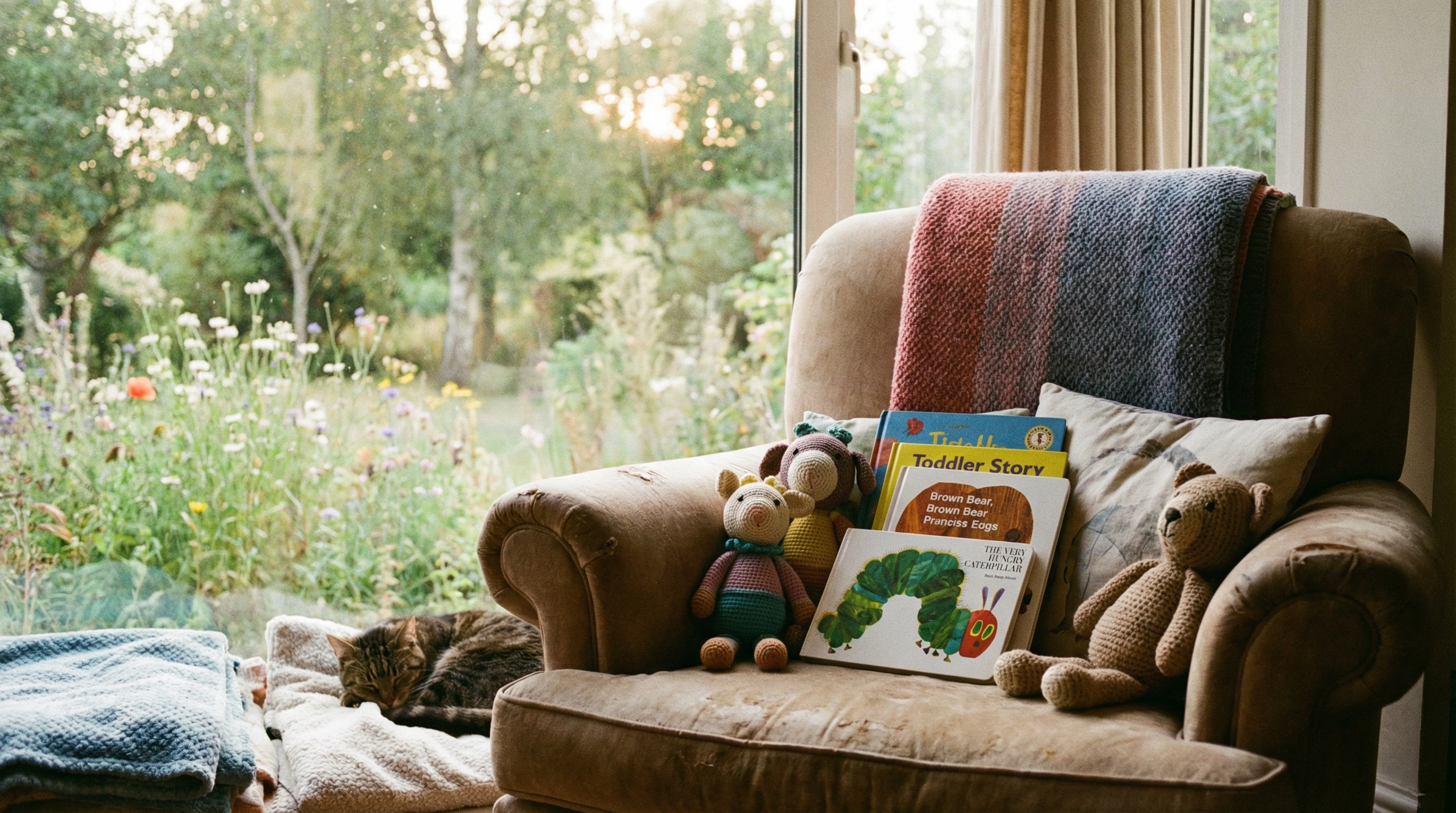
Why Early Storybooks Support Emotional Growth
Reading with toddlers is more than just about teaching the alphabet or looking at cute pictures (though both are pretty fun!). Good storybooks dig into themes like sharing, kindness, frustration, and comfort, which help toddlers start to make sense of their own feelings and those of others. When a child sees a character in a book feeling sad, scared, or excited, they get a chance to talk about those feelings safely and naturally.
Research on early childhood development shows that nurturing social and emotional skills can set kids up for better relationships, stronger communication skills, and even improved school readiness later on. Reading books that cover relatable emotional moments gives kids a vocabulary for their feelings and helps take a bit of the mystery out of those big reactions they have sometimes. If you’re curious about the science behind it, ZERO TO THREE gives a helpful overview.
Key Features of Storybooks That Build Emotional Intelligence
The best books for fostering emotional smarts in toddlers all have a few things in common. Here are the features I always look for when choosing new reads:
- Simple, Relatable Plots: Books that focus on everyday moments, like saying goodbye at preschool or making a new friend, tend to connect best with young kids.
- Clear Illustrations of Emotions: Characters with expressive faces and body language let little ones “read” feelings right from the page, even if they can’t read words yet.
- Gentle Problem Solving: Storylines that show characters working through a problem (like feeling left out, losing a toy, or learning to share) can give toddlers ideas for handling all sorts of moments.
- Repetition and Predictability: Rhythmic language and repeating phrases help toddlers process the story and make emotional connections more easily.
- Inclusive Representation: Stories that showcase different cultures, abilities, and family structures help widen empathy.
Top Storybooks For Toddlers to Nurture Emotional Intelligence
Here are some of my go-to books for this age group, along with why I find them so effective:
- “The Feelings Book” by Todd Parr: Parr’s playful, colorful illustrations work really well for short attention spans. This book introduces lots of feelings in a super open, nonjudgmental way.👉 Check Price on Amazon
- “Today I Feel…: An Alphabet of Feelings” by Madalena Moniz: Simple text and lovely watercolors present a whole range of emotions, helping kids learn the words to match their own moods.
- “In My Heart: A Book of Feelings” by Jo Witek and Christine Roussey: Each spread in this book explores a different emotion using relatable metaphors and bright illustrations, plus it has a fun cut-out heart on each page that always grabs toddlers’ attention.👉 View “In My Heart” on Amazon. Read also: How to Prepare Your Child for Preschool Emotionally
- “Grumpy Monkey” by Suzanne Lang and Max Lang: This story normalizes having a grumpy day and shows that it’s okay to feel big emotions without always having to “fix” them immediately.👉 Shop Grumpy Monkey Here
- “Last Stop on Market Street” by Matt de la Peña and Christian Robinson: This read isn’t just about feelings, it also weaves in social awareness, kindness, and gratitude through a gentle city bus ride with a wise grandma.
- “How Do You Feel?” by Lizzy Rockwell: This book shows kids in a variety of familiar situations, each paired with a feeling word. It’s great for encouraging little ones to point, name, and share their current mood.
- “Hands Are Not for Hitting” by Martine Agassi and Marieka Heinlen: Ideal for toddlers grappling with self-control, this story helps them understand their actions and learn gentle alternatives.👉 Get the Board Book Version Here
If you’d like to mix in some variety, consider rotating these with other books covering topics such as making mistakes, trying new things, or even apologizing. The more your toddler sees emotions and social moments in different contexts, the easier it becomes for them to talk about their own experiences and build emotional vocabulary. Read also: How to Discipline a Toddler Without Shouting
How to Make the Most of Storytime for Emotional Development
Reading these books isn’t just about turning the pages, what you do during (and after) matters, too. Here are some things I like to do to get the most out of every story session:
- Pause to point out facial expressions and ask, “How do you think she feels?” or “What might happen next?” Add some details by talking about the colors or scenes in the illustration to spark conversation.
- Let your toddler act out the feelings or scenes, they might want to stomp like the grumpy monkey or show what “excited” looks like. Sometimes, acting out scenes can help reinforce the lesson from the book.
- Draw links between book moments and real life, such as, “Remember when you felt shy like the boy in the story?” This helps make the lessons personal and memorable.
- Normalize all emotions, not just the happy ones. If a character is sad or mad, name it and talk about safe ways to handle those feelings. Reinforce that all feelings are okay.
What to Look for When Choosing Emotion Focused Storybooks
With piles of options in every bookstore, finding books that actually help support your toddler’s emotional growth can feel tricky. Here are some questions I usually ask before adding a book to my readaloud stack:
- Is the language simple and repetitive enough for a toddler audience?
- Do the pictures show a range of real, clear emotions?
- Are there even subtle lessons about sharing, kindness, or working out problems?
- Does the story give space for talking about feelings, rather than rushing past them?
- Are children and families of different backgrounds represented?
Book Quality and Durability
Toddlers aren’t exactly gentle with their things, so I also go for board books or sturdy paperbacks when possible. A book that gets chewed on or drooled over will hold up better this way, plus kids can turn the pages themselves. For families heading to the park or visiting relatives, sturdy books travel well and can be used just about anywhere for a bit of consistency and comfort.
If you’re looking for books with extra interactive features, magnetic flaps, textures, or even mirrors can work wonders for keeping your toddler’s attention while connecting the story to their own world.
Challenges When Reading About Emotions with Toddlers
Not every toddler loves to sit still for “feelings” books, especially if the story touches on topics that hit close to home. Sometimes a child might get wiggly, switch topics, or even act out their feelings in the moment. Here are some ways I work through these challenges:
- Pick reading times when your child is calm, rather than tired or hungry.
- Let your toddler choose which story to read, even if it means repeating the same book every night for a week.
- If a book brings up a meltdown, that’s actually an opportunity; gently talk about what the character is experiencing and invite your toddler to share, too.
It can help to keep sessions short and sweet. Sometimes, even just a few pages make an impact—and little by little, your child will build up their ability to listen and talk about emotions without feeling overwhelmed. If your toddler loses interest, transition to another activity and come back to the story later.
Helpful Tips for Using Storybooks to Teach Emotions
Using books as a springboard for real conversations works well. After the book, sometimes I:
- Ask, “Have you ever felt that way?” and listen to your child’s stories, even if they’re off-topic.
- Point out when you see your toddler showing empathy or kindness and say, “That was just like in your book.”
- Make up extra endings or “what if” questions to explore problem solving (“What would you do if you were the grumpy monkey?”).
- Use props, plush toys, or drawings to act out scenarios from the book. This hands-on approach often helps kids make connections between fiction and real life.
Real-Life Examples: How Emotional Storybooks Made a Difference
I’ve seen firsthand how a book about saying goodbye at daycare helped my niece work through some pretty rough separation mornings. Other parents have told me that stories about anger or frustration prompted conversations that later made tantrum times much easier to handle. Sometimes just having language for a big emotion takes the sting out and helps a toddler feel understood.
- At Home: “Hands Are Not For Hitting” became a nightly ritual for a friend’s toddler, and she started gently touching her baby sibling’s head, just like in the book. Over a few weeks, the child would say “gentle hands” on her own, showing her growing understanding.
- In Preschool: Teachers read “In My Heart” before naptime, and kids began describing their moods each afternoon (“I’m feeling brave today!”). Some classrooms set up a “feelings wall” where students place stickers next to faces that match how they feel, thanks to prompts from these books.
Frequently Asked Questions About Storybooks and Emotional Learning
Question: When should I start reading emotion focused storybooks?
Answer: Any time after about 12 months is great, especially as your toddler starts learning to point, babble, or name people and things. It’s never too early to talk about feelings in simple ways.
Question: What if my toddler gets upset or overwhelmed by a story?
Answer: That happens sometimes! Pause the reading and offer comfort. You can always return to the book later, or retry when your child seems ready.
Question: Do I have to stick to the story or can I make it up as I go?
Answer: Feel free to adlib, add silly voices, or expand on the pictures. The more you personalize the story, the more your child will connect emotionally.
Question: Are there other ways to boost emotional intelligence besides books?
Answer: Books are just one tool! Pretend play, music, talking about your own feelings, and giving language for everyday moments all help, too.
Want to Build Your Toddler’s Emotional Vocabulary Faster?
Start with just 2–3 books from this list and rotate them weekly.
📦 Browse All Recommended Emotional Intelligence Books Here
Storybooks tailored for emotional intelligence don’t just entertain, they can open up important conversations, provide comfort, and teach lifelong communication skills. Choosing the right story and making time for cozy, interactive reading moments will go a long way in supporting your toddler’s emotional adventure. Don’t be surprised if you end up learning a thing or two about your own feelings along the way. Remember, every little story session is another step toward raising an empathetic, expressive, and socially confident child.