
 High-quality childcare can change the way families experience early learning, work life balance, and the busy flow of everyday life. The peace of mind that comes with dropping off your child at a trusted center each morning really makes a difference. It’s not just for working parents, but for the kids, too.
Childtime Learning Centers have built a pretty strong reputation in the early education world. If you’re searching for a reliable childcare option that puts an emphasis on safety, growth, and a warm, welcoming environment, it’s definitely worth checking out what Childtime offers.
This article takes you through what makes Childtime Learning Centers a model for quality childcare, with insights on their approach, programs, staff, facilities, and the everyday experiences you and your child can expect.
What Sets Childtime Learning Centers Apart?
When I visit a Childtime center, the atmosphere always feels upbeat and organized. The spaces aren’t just clean and cheerful. They’re set up to encourage curiosity and creativity. Each classroom is packed with hands-on activities, and the environment feels genuinely welcoming for kids of all backgrounds and abilities.
Childtime stands out by combining a nurturing approach with educational structure. This balance helps each child feel cared for while also getting a solid start in early academics, social skills, and emotional growth.

Focus on the Whole Child
- Academic Preparation: Childtime’s programs introduce age appropriate learning in language, literacy, math, science, and the arts.
- Social Development: Kids interact with peers and teachers to build teamwork, empathy, and conflict resolution skills through everyday play.
- Emotional Wellbeing: Teachers help children identify feelings, manage frustration, and celebrate their achievements, big or small.
This blend of academic learning and personal growth helps each child feel confident, valued, and ready for kindergarten and beyond.
Safety and Cleanliness: A Top Priority
For any parent, knowing their child is safe comes first. Childtime centers invest big time in up to date safety measures and routines. Doors are secure, entry is monitored, and every visitor signs in. Classrooms are designed with open sight lines so teachers always have an eye on the kids.
On the hygiene side, regular cleaning schedules, strict handwashing rules, and lots of sanitizing keep illnesses at bay. I’ve noticed thoughtful touches like clear instructions for wellness policies and daily communication about any health updates.
Practical Safety Features I’ve Seen:
- Coded entry systems for parents and staff
- Fenced play areas with safe, soft surfaces
- Regular staff training on first aid and emergency procedures
- Daily health checks for children at drop off
These steps make it easier for families to trust the environment, and for kids to feel comfortable exploring new experiences.
Teachers: Skilled, Caring, Engaged
Any early childhood program is only as strong as its staff. At Childtime, educators are chosen for their warmth, qualifications, and love of teaching. Most centers require lead teachers to hold certifications in early childhood or child development, plus ongoing professional development training every year.
What stands out to me is the way teachers interact with kids, getting down on their level to listen, playing along with their games, and offering encouragement that feels sincere. Families get regular updates, progress reports, and little photo snapshots of daily activities to stay in the loop.
The communication is open and friendly, which makes it easier to work together on anything from potty training to celebrating a child’s latest milestone.
Programs for Every Stage of Early Childhood
Childtime builds its programs around key developmental ages: infants, toddlers, preschoolers, and pre K kids. Each age group gets dedicated spaces and activities that match their interests and skill levels.
Program Highlights by Age:
- Infant Care (0-12 months): Cozy spaces with cribs, lots of cuddling, and routines built around each baby’s needs. Focuses on tummy time, eye contact, and gentle play.
- Toddler Programs (1-2 years): More active play, music, and art. Simple routines for group time and snacks introduce a sense of structure and independence.
- Preschool (3-4 years): Learning centers for building, reading, dramatic play, and science. The curriculum adds early literacy, numbers, and hands on projects.
- Pre K (4-5 years): Kindergarten readiness with a focus on problem solving, following multiple step directions, and group projects. Kids also learn to express themselves, work with friends, and take greater responsibility for their learning.
Families can often add extra programs like summer camps, before and after school care for older children, and enrichment classes including STEM, foreign language, or yoga depending on the center’s location. For centers that offer additional language classes, students can expand those skills through playful and engaging activities in a safe setting. This can especially help kids who will attend language immersion or dual language elementary programs.
Many Childtime centers put extra attention on school readiness, offering assessments and skill based activities specifically designed to strengthen foundational skills needed for elementary school. This helps support families in the important transition from pre K into the world of formal schooling, making sure kids and parents start off confident and prepared.
Family Involvement and Communication
Staying connected with your child’s day means a lot to most parents. Childtime makes family communication easy, using daily activity summaries, behavioral notes, and upcoming event reminders. Many centers have secure online portals or apps where you can see photos, lesson plans, and even short videos from the classroom.
Events like parent teacher conferences, holiday parties, and art shows help bring families into the center’s community. If you have any questions or concerns, the directors and teachers are usually just a quick chat or email away.
- Regular progress reports and development updates
- Easy to reach directors and teaching staff
- Family events and volunteer opportunities
That ongoing partnership helps everyone support your child’s learning ride, both inside and outside the classroom.
Kid Friendly Facilities and Learning Materials
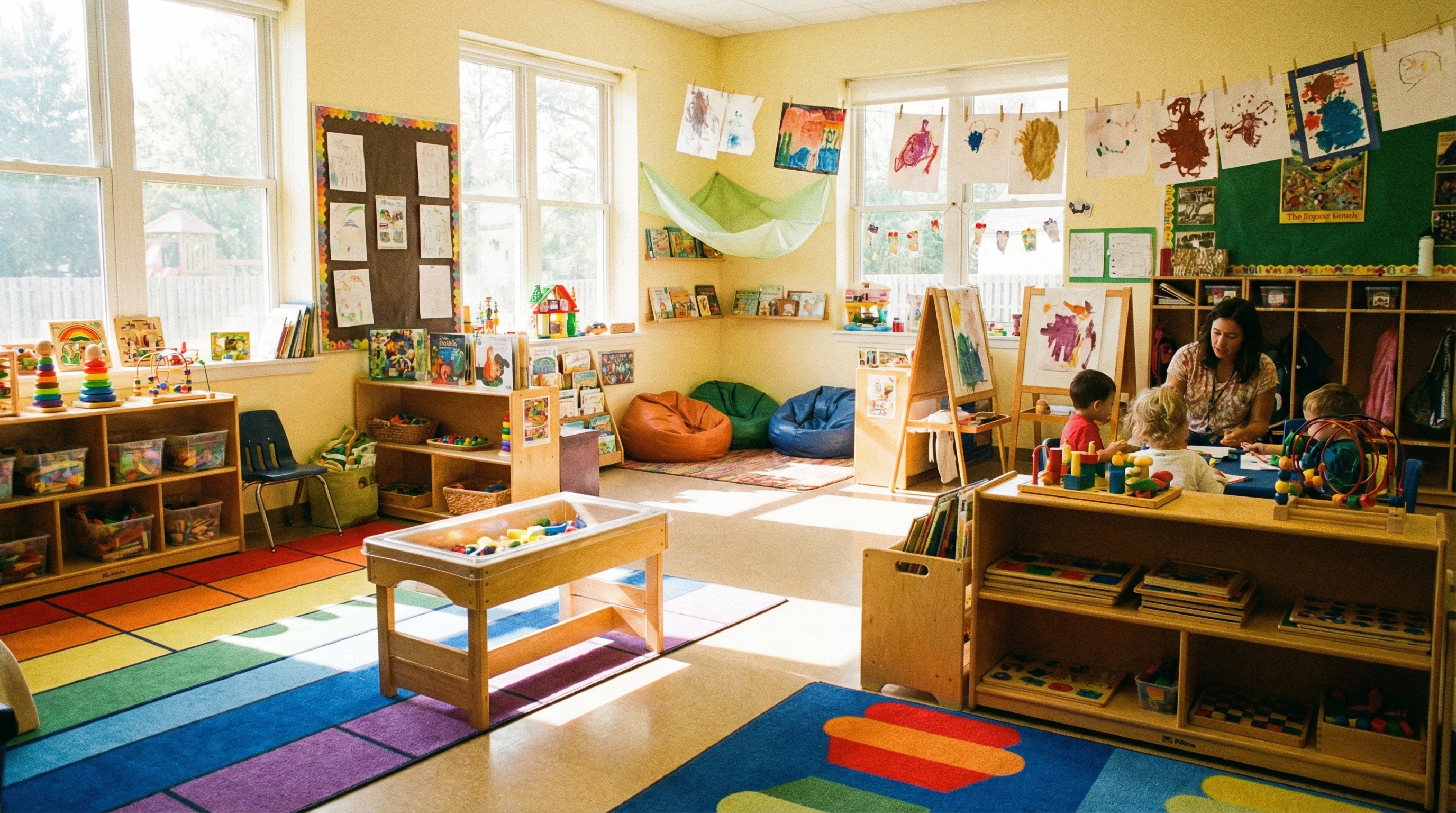
Every Childtime location I’ve toured offers bright, organized classrooms with child sized furniture and plenty of natural light. There are reading corners, art easels, building blocks, puzzles, STEM kits, and outdoor gear for active play.
Centers put a lot of thought into their playgrounds, sandboxes, and water tables, making sure there’s space for both teamwork and independent play.
- Age appropriate toys and hands on materials
- Outdoor areas for physical development
- Creative art spaces and science stations
These resources keep learning interesting, playful, and full of choices. In addition to classic play areas, some centers offer garden beds, sensory paths, or nature exploration kits that help children build connections with the world outdoors.
Flexible Options for Busy Families
Modern life is busy, so Childtime offers flexible scheduling when possible, whether you need full time care, part time options, or drop in days. Some locations provide extended hours, holiday care, and sibling discounts to make things easier on working parents.
Tuition pricing varies by location but tends to be transparent, with staff ready to answer questions about rates, subsidies, or payment plans during the enrollment process. If you’re ever uncertain about what’s included or need clarification, the center’s administrators make it easy to check in and find out exactly what’s available for your needs.
The Bottom Line on Childtime’s Approach
Finding childcare means finding that rare blend of trust, warmth, learning, and fun. Childtime Learning Centers provide a balance of nurturing support and structured learning, with a focus on preparing children for the bigger world ahead while keeping families connected every step of the way.
If you want an early learning environment where your child is safe, challenged, and valued, Childtime’s model offers plenty of reasons to check out a local center or schedule a tour. There’s a good chance both you and your child will walk away with big smiles, and a whole lot of new skills each day. With so many engaging programs, caring teachers, and strong support for families, Childtime stands out as a shining choice for quality early education.
What do you think about the story above? please leave comments below and tell us what was experiences .