
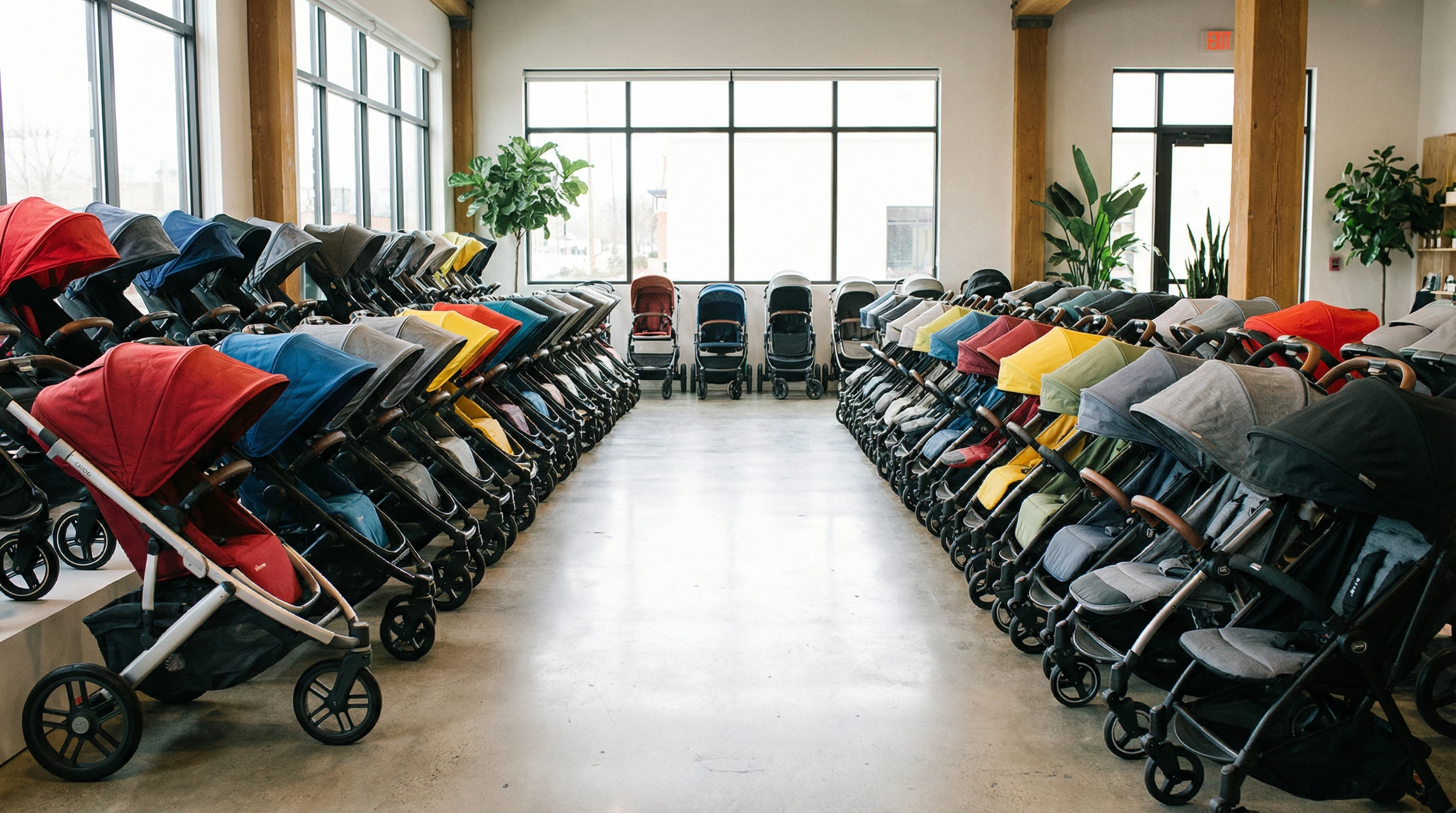
 Choosing a stroller can feel like a big decision, especially when your family is growing and your needs keep changing. There are so many options on the market, with all sorts of features, styles, and price ranges. When I was shopping for my first stroller, I definitely underestimated how much thought would go into the process. The right stroller can make outings way easier. The wrong one? That can turn a simple walk into a hassle.
If you’ve got a new baby joining the family, or maybe you have a toddler and one on the way, it’s really helpful to know what matters most when picking a stroller. I’ve learned from experience (and a bit of stroller envy at the playground) that choosing with your lifestyle in mind makes all the difference. This guide breaks down what to look for—without any confusing baby store lingo—so you can find a stroller that fits your family and your daily adventures.
Here’s a practical look at key things to think about so you can make your stroller shopping less stressful and way more successful. By really thinking about your routine, your growing family, and where you’ll be using your stroller, you can pick one that lives up to your plans instead of just looking stylish on the showroom floor.
💡 Transparency Note
Some of the links in this article are affiliate links. This means we may earn a small commission at no extra cost to you. These commissions help support early childhood education initiatives and future learning projects.
1. Start With Your Family’s Needs
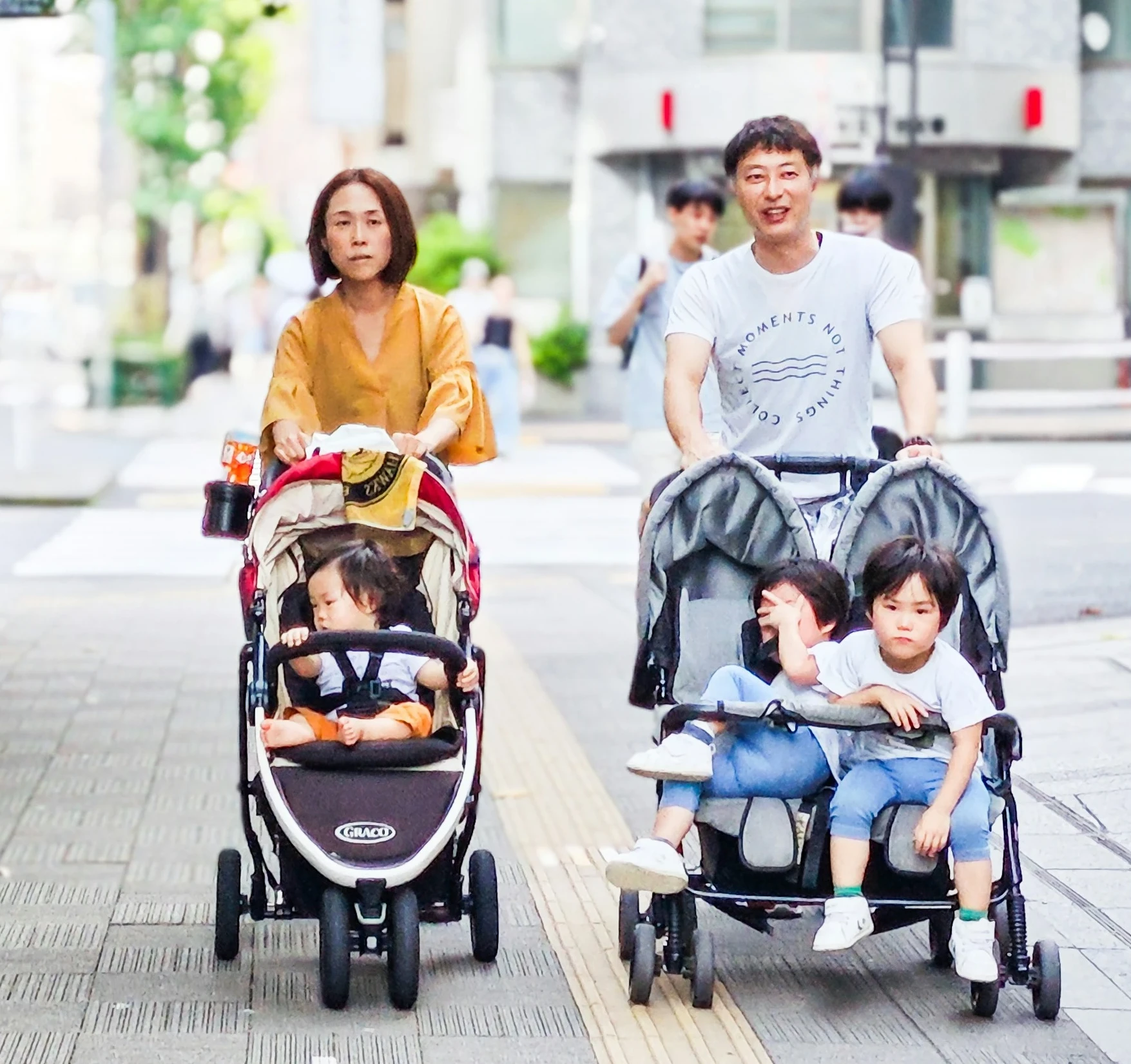
Your daily routine has a big impact on the kind of stroller that will work well for you. Do you need something that’s great for city sidewalks, or are you driving from place to place more often? If your family loves walks in the park or running errands on foot, comfort and easy steering become really important. For parents moving between car and stroller, folding and storage should be high on your list. Maybe your family does a bit of both—some days it’s urban streets, and others it’s muddy nature trails—so versatility might beat looks in those cases.
- Number of Kids: If you’re expecting another baby but already have a toddler, think about double strollers, or ones that can convert from single to double. Some parents even opt for a sit-and-stand or attachable board, especially if you want flexibility for a growing crew.
- Age Range: Some strollers are better suited for infants with full recline, while others work best once your baby is older. Many models let you attach bassinets or car seats for newborn use, making them last through toddlerhood.
- Lifestyle: Active families might want jogging strollers, while city living favors compact, lightweight styles for public transit and tight sidewalks. If you travel often or visit crowded places, portability matters more than fancy features.
- Check convertible stroller options here
Thinking through these details early makes it easier to narrow down your options. Jot down what your routine looks like and what you really want from your stroller before you dive into reviews—that’ll help you focus in the endless sea of choices.
2. Types of Strollers and Which Suits You

Strollers come in a bunch of styles, each with its own strengths. Here’s a quick go-through of the most common types and what they’re good for:
- Full size strollers: Usually sturdy and feature a lot of storage, adjustable seating, and a smooth ride. These are great for daily use and growing kids because they’re built to last and handle constant outings.
- Lightweight or umbrella strollers: Perfect for travel or quick trips, these fold up small and are super easy to carry. They might not have a ton of storage or comfort features, but they shine when portability is the main concern.
- Double strollers: Designed for two kids, either side by side (great for twins) or in tandem (one behind the other, helpful for kids of different ages). Some models can even adjust and let you switch up the seating arrangements as your children grow.
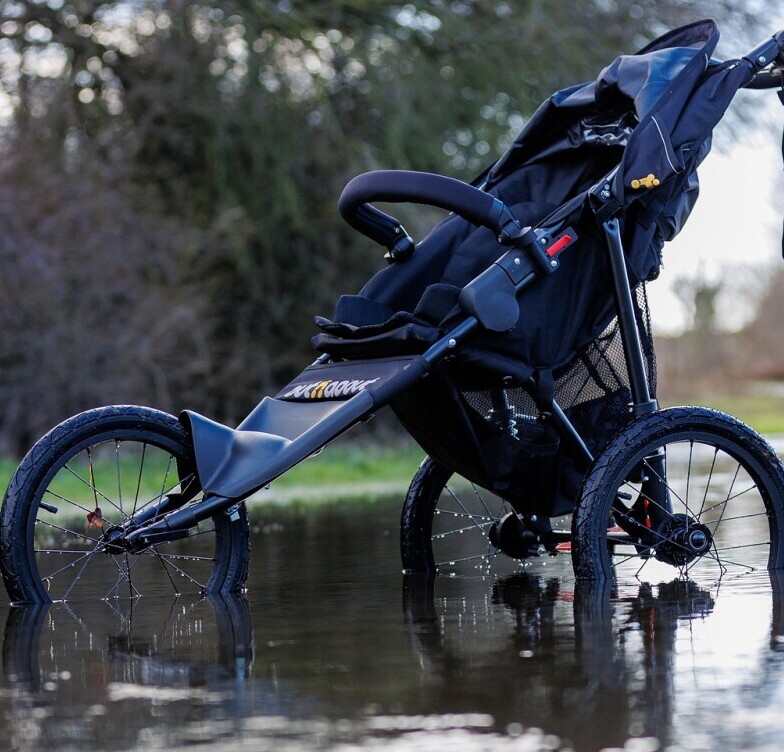
- Jogging strollers: These have big wheels and strong suspension for a smoother ride on bumpy trails, making them ideal if you want to exercise while out with your kids. Typically, they’re a bit wider and heavier, but offer superior handling over rough ground.
- Travel systems: These combine a stroller with a compatible infant car seat, so you can move a sleeping baby from car to stroller without waking them up. Pretty handy for newborns! You’ll often see these bundled together at popular baby stores.
If you’re curious about real-life reviews and deeper comparisons, Baby list and The Bump offer practical advice from real parents. (Baby list stroller guide) You might even stumble upon video demos, so you can check out how different models fold, turn, and adjust. Watching these in action can help you spot details you might have missed reading specs alone.
3. Safety Features to Check For
Safety is one thing I never like to compromise on. Look for a five-point harness (similar to car seats), sturdy brakes, and a wide base for stability. If you’ll be folding and carrying the stroller often, check that folding mechanisms stay locked both when open and closed. Padding makes a difference for smaller babies, especially during longer walks. Don’t forget to make sure the stroller meets current safety standards; almost every new stroller does, but it’s worth checking the label or manufacturer website. These standards usually include limits for tipping and requirements for sturdy closure latches as well as brake effectiveness.
- Reliable brakes, ideally easy to use with your foot
- Secure harness that your child can’t wiggle out of, but that’s still quick for you to buckle
- Lockable front wheels for rougher terrain
- Reflectors or bright trim if you’re out late in the day
Also, it’s a good idea to check recall history—simply search for the brand and model with “recall” to see if there have been any major issues in the past. Being a bit extra careful now gives peace of mind on your daily adventures.
4. Handling, Storage, and Everyday Usability
This is where it pays off to try a stroller in person, if you can. Some strollers glide like a dream, while others feel heavy to steer, especially as your kids get bigger. Comfort plays a role in mood and readiness to learn, especially for children transitioning into preschool routines. Take notice of:
- Folding and Unfolding: Models with one hand folds are far more convenient when you’re wrangling a baby and a diaper bag at the same time. Some strollers stand upright when folded, making storage easier in small spaces.
- Storage Space: Big baskets are super useful for hauling groceries or a packed diaper bag, but make sure you don’t sacrifice too much maneuverability. If you live in a walkup or need to stash the stroller by your front door, measure before you buy!
- Adjustable Handlebar: If parents are different heights, this matters more than you might think. A handle that moves up or down not only helps with comfort, but also with control on tricky terrain or stairs.
- Weight: Think about how often you’ll be carrying the stroller in and out of cars, up steps, or onto the bus. A lightweight option might make those trips way easier, even if it means giving up a few extras.
If you shop online, browse the user questions section to see what other families have found in real-world use. This can highlight issues or handy tips that don’t appear in polished product descriptions. Real parents often spill the truth on how awkward buckles really are, or if a stroller truly fits in a compact car trunk.
5. Adaptability as Your Family Grows
Look for strollers that can grow with your family. Many brands now offer models that start as a single stroller but can be upgraded with extra seats, ride on boards for older kids, or bassinets for newborns. Some popular strollers can be reconfigured in several ways, which is great if you think your family may expand down the road. Adapters are your friend here—they give you the flexibility to change setups as your kids reach new milestones.
- If your oldest still naps, a deep recline or add on bassinet can make life a lot easier.
- Attachment points for sibling seats or standing boards are a nice bonus that can delay the need for buying a whole second stroller. This comes in handy on days your preschooler claims they’re “too tired to walk.”
A tip: Ask about accessories, since some brands offer handy add ons like cup holders, organizers, or even footmuffs that extend the seasons you can use your stroller outside.
6. Budget and Long-term Value
Stroller prices range from affordable basics to luxury models with every extra feature. So pick what fits your budget, but also keep value in mind. Sometimes paying a bit more up front for a sturdy, adaptable stroller means you won’t have to buy a replacement later. That said, some affordable strollers last for years with a little care. I’ve had awesome luck buying gently used strollers and swapping out covers or wheels to make them feel new again. Online marketplaces and local parent groups usually have some real gems if you’re open to preloved gear, so don’t be shy about checking those out.
It’s also smart to check if a brand’s extras—like snack trays, rain covers, or parent consoles—are included or cost extra. All those accessories can add up, so compare carefully. And remember: sometimes features like a wash-friendly fabric or replaceable wheels end up being worth more than fancy gadgets.
7. Comfort and Convenience Extras
Certain features can make everyday use a lot more enjoyable. Here are a few worth checking out:
- Sunshades or extendable canopies to block strong sunlight
- Rain covers if you’re out in wet weather a lot
- Snack trays and cup holders for you and your kids
- Multiple recline positions, especially if your child will nap on the go
- Easyclean fabrics for inevitable snack spills or potty accidents
You don’t need every bell and whistle, but a few practical features can make a real difference. Don’t forget to check the stroller’s folded size—if it won’t fit in your trunk or entryway, it’s probably not the right match. Some strollers now even have peekaboo windows in the canopy, which let you keep an eye on your child while walking; it’s a simple touch that adds peace of mind.
Final Thoughts
Choosing the right stroller for your growing family is all about matching your needs with what’s out there. Think about where you spend your time, how many kids you’ll be strolling with, and what features are actually useful in your day-to-day. A little bit of research (and maybe asking around at your local playground) really helps cut through the overwhelm. Once you find the right stroller, you’ll wonder how you ever managed without it. And don’t forget: it’s okay to switch things up later as your family’s needs change or as your children grow. The goal is to make family outings easy, comfortable, and enjoyable for everyone—parents included.
Preparing your child for preschool goes beyond gear. Learn how we support early learning at Blooming Sprouts Prep School.