
Sensory development is a huge part of early childhood, with the first year being big for how babies start to experience the world. The right sensory toys and activities aren’t only fun; they give babies all sorts of chances to learn, explore, and build skills that carry into toddlerhood and beyond. I’m going to break down the essentials about sensory development toys, plus share activities you can use to nurture your baby’s senses, whether you’re shopping for new items or crafting simple DIY options with things you already have lying around.
Why Sensory Play Matters for Babies
All five senses—touch, sight, sound, taste, and smell—are developing rapidly in infancy. Sensory play isn’t just about keeping babies busy; it helps lay the groundwork for everything from physical coordination to early language and cognitive skills. When babies grasp different textures or listen to new sounds, those experiences help their brains form and strengthen important pathways.
Research suggests that rich sensory environments lead to better problem-solving, sharper memory, and higher levels of social confidence as kids grow. Since a baby’s brain is so flexible at this age, sensory exposure during these early months really shapes their development. Whether it’s a soft rattle, a squishy ball, or a playmat that crinkles in different spots, these toys and activities do far more than just entertain.
Fancy and pricey toys aren’t a requirement. Giving babies lots of opportunities to experience new feelings, sights, and sounds is key for those early milestones. Even simple household items—like textured fabric scraps or wooden spoons—can be great sources of sensory exploration. Babies thrive on variety, and even a scarf or a plastic bowl can launch a whole session of fun discovery.

Top Sensory Toys for Babies
I’ve noticed how certain sensory toys spark curiosity and keep babies engaged. Here are some personal favorites and why they work so well for sensory growth:
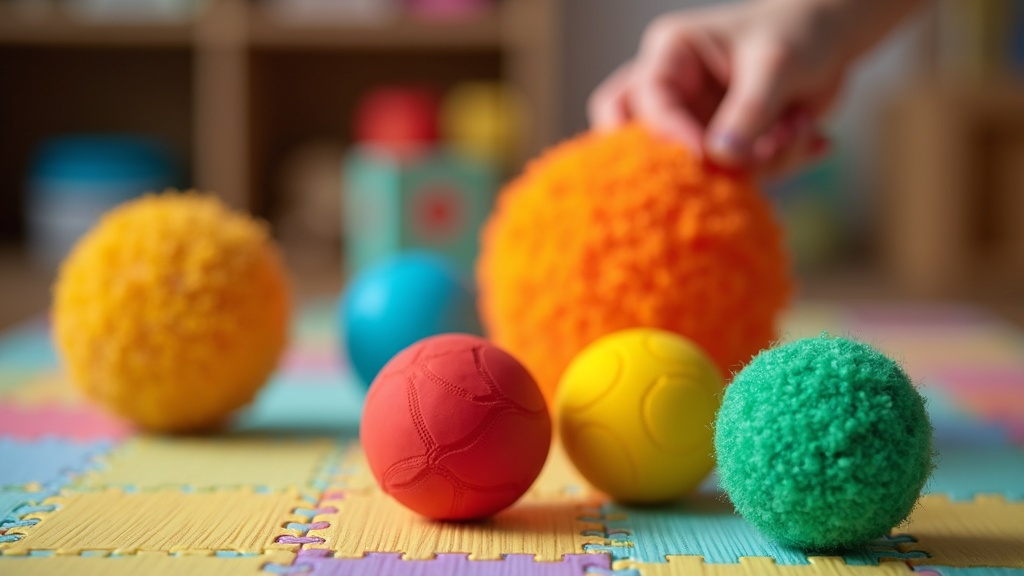
- Textured Balls: Soft or rubbery balls with bumps, ridges, or little bristles give babies a chance to grip, squeeze, and roll. These actions support fine motor muscles and encourage tactile exploration.
- Busy Boards: Boards loaded with switches, zippers, mirrors, and Velcro flaps invite babies to poke and tug, strengthening hand-eye coordination and holding their attention longer.
- Soft Books: Fabric books with crinkly pages, squeaker inserts, and different textures turn storytime into a hands-on, interactive experience.
- Rattles and Shaker Toys: Any toy that makes noise when shaken is perfect for auditory growth and rhythm. See-through rattles are even better, letting babies connect movement with sound and visual patterns.
- Teething Toys: Various shapes and cool materials give babies something safe to chew on, soothing sore gums while offering a range of textures and sometimes temperatures.
- Playmats and Activity Gyms: Most play gyms have mirrors, hanging toys, and colorful fabric patches. They’re set up for a baby lying on their back or tummy, perfect for reaching, grabbing, and even early kicking moves.
When picking sensory toys, I always look for age-appropriate labels and check for pieces that could detach or be hazardous if mouthed. Safety matters; babies will put just about anything in their mouths given half a chance!
Simple Sensory Activities to Try at Home
No need for gadgets or electronics. You can do a lot at home with items you already have. Here are some tried-and-true activities that keep babies interested and learning:
- Texture Crawl: Lay out clean towels, bubblewrap, and fabric scraps with various feels on the floor. Let your baby crawl, scoot, or wiggle across—letting their hands and feet explore all the different surfaces.
- Homemade Shakers: Use empty water bottles filled with rice, pasta, or dried beans, and seal the lids tightly. Babies love to shake, roll, and listen to the new sounds and shifting weights between each container.
- Scent Exploration: Place cotton balls with a few drops of vanilla, lemon peel, or fresh herbs (like basil or mint) just out of reach but close enough for supervised sniffing. Introducing new but safe scents can boost their awareness and tune in their sense of smell.
- Mirror Play: Position a baby-safe mirror where your baby can look during tummy time or after a diaper change. Babies are fascinated by their own faces and expressions, supporting visual exploration and self-awareness.
- Water Play: Fill a shallow basin or tub with just a bit of water and add cups, spoons, and bath-safe toys. Splashing, pouring, and squeezing sponges not only feels calming but teaches cause and effect, too.
These activities are worth repeating as your baby grows. Feel free to tweak each one to fit your child’s development. Watching your baby’s reactions can help you know when they’re into an activity or when it’s time to switch gears for a break. Sometimes, even just a few minutes of focused play is plenty.
Getting Started: Safety & Setting Up for Sensory Play
Safety is what keeps sensory play relaxed for parents and enjoyable for babies. I stick with these basics at home or anywhere I set up play:
- Always stay close by, especially when your baby is mouthing or chewing objects.
- Choose only materials that are nontoxic, large enough not to choke on, and free from sharp edges or small parts.
- Keep the play area clean and brightly lit, so you can spot any stray hazards.
- Wash toys and wipe down play surfaces often, especially anything that’s chewed or slobbered on.
Even a small, regular spot—like one corner of your living room set up with a blanket and bins—helps babies connect that place with fun, safe exploration. Babies love routines, so having a sensory basket or go-to playmat means they’ll look forward to those moments of play with you.
Common Questions About Sensory Development Toys & Activities
Naturally, there are lots of questions if you’re new to this or seeking fresh ideas. Here are some answers to popular questions I get with parents and caregivers:
Do babies need lots of toys for good sensory development?
Answer: Not at all. A thoughtful handful of safe toys with various textures, shapes, and sounds is enough. In fact, babies can get just as much out of simple, household sensory activities as they do with items from the store.
What’s the best age to start using sensory toys?
Answer: Right from day one, gentle sensory play can help newborns. High-contrast images, soft tunes, or gentle rocking are all soothing and nurturing, even for tiny babies. Once your baby is more active (around 3-4 months), items they can grab and mouth add even more value.
How do I know if my baby likes a new sensory toy or activity?
Answer: Look for your baby’s cues—do they reach for the toy, follow it with their eyes, babble, or smile? If so, that’s a thumbs-up. If they turn away, fuss, or arch their back, that’s their way of saying they’re all set for now. Following their pace helps keep playtime happy and stress-free.
Can sensory play help with developmental delays?
Answer: Sensory play is wonderful for every baby. However, if you ever have concerns about your child’s progress, connecting with your pediatrician or a child development specialist is the best route. They can recommend the right toys or tailored activities and offer guidance on supporting your baby’s skills during playtime setups.
Extra Tips for Fun & Successful Sensory Play
After lots of experimenting, I’ve picked up a few tips that really give sensory activities a boost:
Rotate Toys Frequently: Babies can lose interest quickly; putting some toys away and bringing them out after a week makes them seem brand new. That surprise factor can keep your baby engaged longer.
Mix Up the Environment: Try playdates outdoors with a blanket and soft toys, or position sensory activities near a window to catch some natural light. Sensory play can even be a great way to help wind down before a bath or nap.
Stay Flexible: Some days, your baby may jump in for 30 minutes, while other days a few minutes is plenty. Letting your baby set the pace helps keep things fun and easy for everyone.
Checking out new sensory play ideas and watching your baby’s reactions is not only a way to stumble upon what they love, but it also deepens your connection. Those moments of giggles, curiosity, and even the surprise discoveries, are what make sensory play shine for both babies and grownups. Enjoy each playful step as your baby grows!