
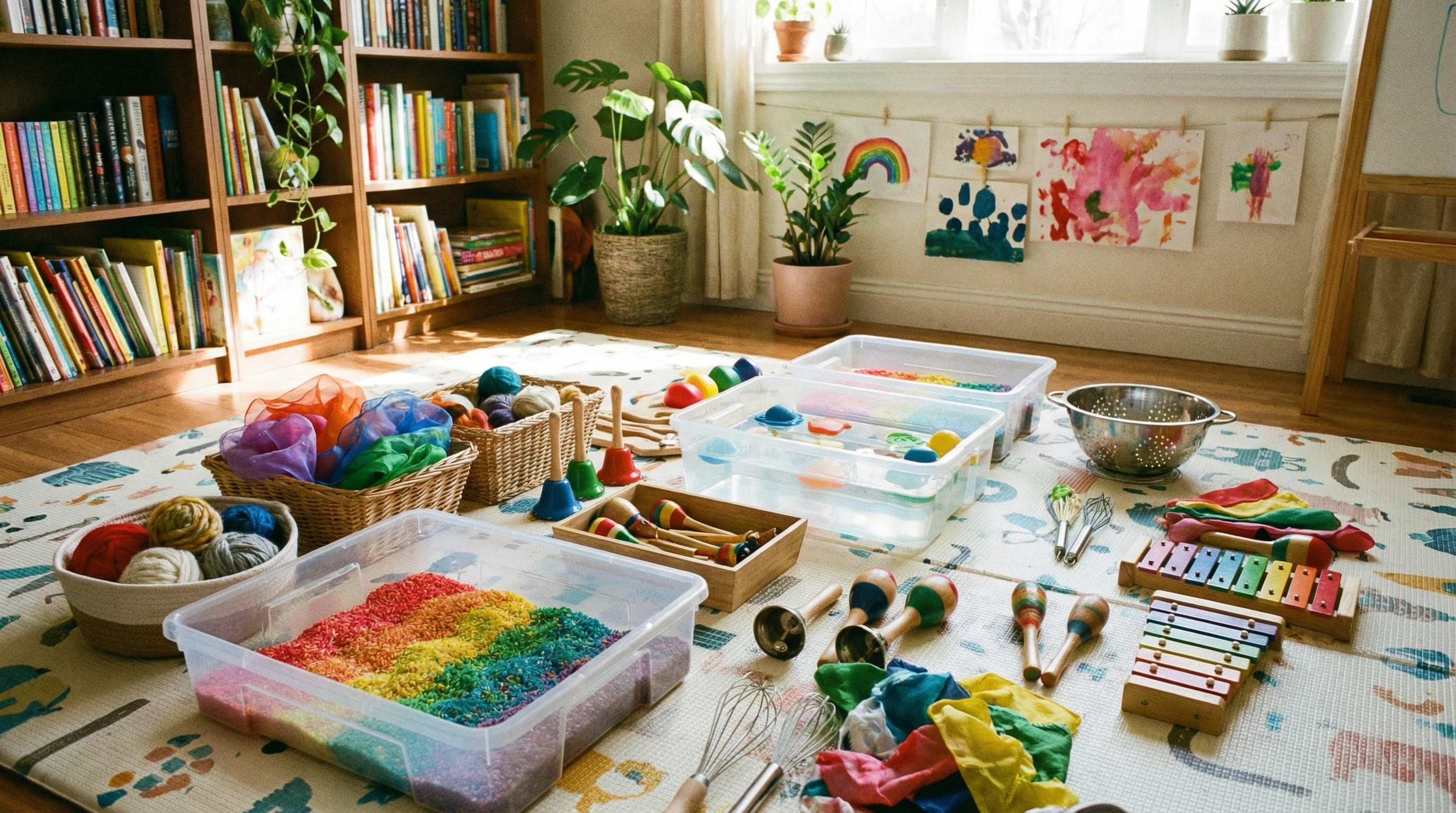
 Helping autistic preschoolers with sensory integration can change daily routines from frustrating to rewarding. Sensory activities at home are a great way to support development, comfort, and confidence. Plus, they’re fun for the whole family.
Some preschoolers on the autism spectrum experience sensory differences that make things like loud noises, bright lights, or certain fabric textures pretty challenging. At the same time, they might really enjoy deep pressure, gentle movement, or water play—things that feel calming and joyful. These preferences are totally unique and can affect how a child learns, plays, and connects with others.
I’ve found that giving kids sensory-rich activities at home helps them process and respond to their environment in positive ways. Whether you’re new to the idea or looking for fresh ideas, here are practical sensory integration activities that work well, why they matter, and how to make the most out of playtime at home.https://www.amazon.com/b?node=53623840011&linkCode=ll2&tag=osea0e-20&linkId=7841f5f477122b832fd3c935232a875f&language=en_US&ref_=as_li_ss_tl
1. Why Sensory Activities Matter for Autistic Preschoolers
It’s really important to remember that sensory play isn’t just about having fun. It supports language, motor skills, focus, and even emotional regulation. Sensory activities can help preschoolers feel safe, explore the world at their own pace, and communicate their needs.
Every autistic child is different, so tuning into your child’s sensory likes and dislikes is the best way to get started. Activities built around their favorite textures, sounds, or movements make it easier for them to participate and enjoy.
Common Sensory Needs
- Seeking or avoiding certain sensations (like touch, sound, movement, or light)
- Enjoying repetition and predictable routines
- Needing more time to process new or intense input
2. Tactile Play: Messy Hands, Happy Hearts
Tactile activities focus on touch. Messy play not only helps kids get used to different sensations but also boosts fine motor skills, which are super useful for things like zipping up jackets or using crayons. And getting messy can be a highlight of a preschooler’s day!
Favorite Tactile Activities
- Homemade Playdough: Squeeze, roll, and squish different textures. Add scents like lavender or lemon, or sprinkle glitter in for extra sensory fun.
- Rice or Bean Bins: Fill a bin with dry rice, beans, or pasta and hide small toys, spoons, or scoops inside for treasure hunting. Let your child dig and search with their hands or with utensils.
- Water Play: Use a tub or sink for pouring, scooping, and floating toys. If your child wants more of a challenge, add bubbles or sponges to the mix. Changing water temperature safely adds a new sensory element.
- Painting with Fingers or Brushes: Spread washable paint or shaving cream on a tray. Drawing shapes and letters makes the activity educational, too. You can also try stamping with natural objects like leaves or sponges.
Offering tools like tongs, scoops, or paintbrushes can help if your child is hesitant to touch messy things right away. Remember, it’s about exposure—not pressure.
For extra learning, talk about colors, shapes, and sensations as you play. This can turn sensory play into a rich language building time as well.
3. Proprioceptive Activities: Big Movements for Calm Bodies
Proprioception is the body’s sense of position and movement. Some autistic preschoolers crave deep pressure and big motions, which help them feel more grounded and focused. You’ll notice changes in calmness and attention after these activities.
Simple Proprioceptive Ideas
- Pillow Pile Jumps: Stack pillows or cushions for safe landings. Jumping and falling gently is a fun way to get deep pressure input.
- Weighted Blankets or Stuffed Toys: Placing a soft, weighted item on the lap or shoulders can feel relaxing during quiet time or reading. Just make sure the weight is safe for your child’s size.
- Squeezing and Stretching Activities: Try tug-of-war with a soft rope, stretching elastic bands, or squishing playdough. Even rolling up in a blanket burrito style usually goes over well.
- Heavy Work Chores: Let your child help push laundry baskets, carry lightweight groceries, or move couch cushions around the living room. These “helping” tasks build confidence too.
Many children look forward to these big-movement games. Rotate different activities to keep it fresh and look for cues that your child enjoys or needs more movement breaks.
4. Vestibular Play: Swing, Spin, and Balance
The vestibular system helps with balance and movement. Activities involving rocking, spinning, or gentle bouncing are often a hit and can help improve attention and body awareness. These activities give a boost to your child’s ability to self-regulate.
Ideas for Vestibular Fun
- Rocking Chairs or Gliders: A gentle back-and-forth is calming for many kids. Let children rock themselves or share a cozy story while rocking together.
- Indoor Swings or Hammocks: If you have the space and setup, an indoor swing or hammock chair is worth adding to your routine. Outdoor swings can be just as fun in good weather.
- Dizzy Disc or SitnSpin Toy: Let your child spin, stop, and spin again at their own pace. Keep an eye out for signs of over-stimulation and let them decide when they’re done.
- Balance Beams or Floor Tape Paths: Use masking tape to create zigzag or straight walkways on the floor for balance practice. Keep it low and safe! Try stepping over pillows for an added challenge.
You can also include gentle bouncing on a yoga ball, dancing to music, or rolling down a soft surface for extra vestibular fun. Encourage creativity and let your child invent their own games.
5. Auditory and Visual Activities: Tunes, Lights, and Discovery
Some kids love certain sounds or lights, while others find them distracting. Activities with gentle music, soft lights, or repetitive patterns help introduce sensory input in a relaxed way. Be mindful of your child’s preferences and keep sound or light levels in their comfort zone.
Activities That Engage the Senses
- Musical Instruments: Drums, shakers, and xylophones deliver rhythmic noise that’s easy to control. Let kids explore at their own volume and tempo.
- Calm Down Bottles: Fill small bottles with water, glitter, and beads. Watching everything float and swirl around is super soothing—try using different colors or even glow-in-the-dark beads.
- Light Table Play: Use a clear bin with string lights underneath and translucent blocks or shapes for glowing, gentle visuals. Or try simple flashlight games in a dark room for shadows and light trails.
- Sound Matching Games: Hide different objects in containers and shake them. Guess what’s inside just by listening to the sounds. You can make pairs for a matching game.
Mix up visual and auditory activities to see what your preschooler enjoys. Drawing with sidewalk chalk outdoors, gazing at bubble tubes, or playing with shadow puppets are also great ideas.
6. Tips for Success: Creating a Safe and Supportive Sensory Environment
It helps to follow your child’s lead during sensory play. If they seem overwhelmed by a certain activity, back off and offer something calmer. Building sensory breaks into your daily routines can prevent meltdowns and smooth transitions, whether before meals, during playdates, or anytime things start to feel intense.
Helpful Reminders
- Keep activities short and fun. Stop while your child is still enjoying themselves to build positive experiences.
- Offer choices (“Do you want rice bin or playdough?”) to give your preschooler some control and responsibility.
- Repeat favorite activities regularly to build skills and increase comfort.
- Create a sensoryfriendly “chill zone” in your home with pillows, low lights, and a quiet space for relaxation.
Remember to talk about what sensations your child is feeling and name their emotions during play. This helps build self-awareness and language skills. You can also make a simple schedule with picture cards for sensory activities, which helps many preschoolers know what to expect.
7. When to Get Extra Support
If certain sensory activities cause distress or daily routines feel tough, connecting with an occupational therapist is a great idea. They can help you figure out which activities to use, how to increase or decrease input, and ways to make everyday life more comfortable for your child.
For more information on sensory support and activities, Autism Speaks offers a helpful guide to sensory issues and the STAR Institute has loads of resources on sensory integration.
Making Sensory Play a Joyful Part of Every Day
Sensory integration activities work best when they’re part of normal life, not treated as just another therapy checklist. Setting out sensory bins before lunch or tossing crash pads into living room play makes a big difference. Those moments of joy help build trust, confidence, and connection between you and your child along the way.
Trying new sensory activities at home opens up so many possibilities for learning and laughter with your autistic preschooler. If you have favorite ideas or want more tips tailored to your space, feel free to reach out. I love hearing what works in other families’ routines! Creating a world filled with playful sensory options will nurture your child’s well-being and foster deeper bonds every day.