
Setting up playdates for kids often feels like a simple way to keep little ones entertained, but there’s a lot more happening than just playtime. I’ve noticed firsthand how these casual get-togethers can really help children build valuable social skills that last a lifetime. Playdates aren’t just about having fun; they create the perfect setting for kids to experiment with communication, empathy, and teamwork in a relaxed environment. In this article, I’m sharing how playdates shape social growth, plus some tips from my own experiences that can make them even more rewarding for kids and parents alike.
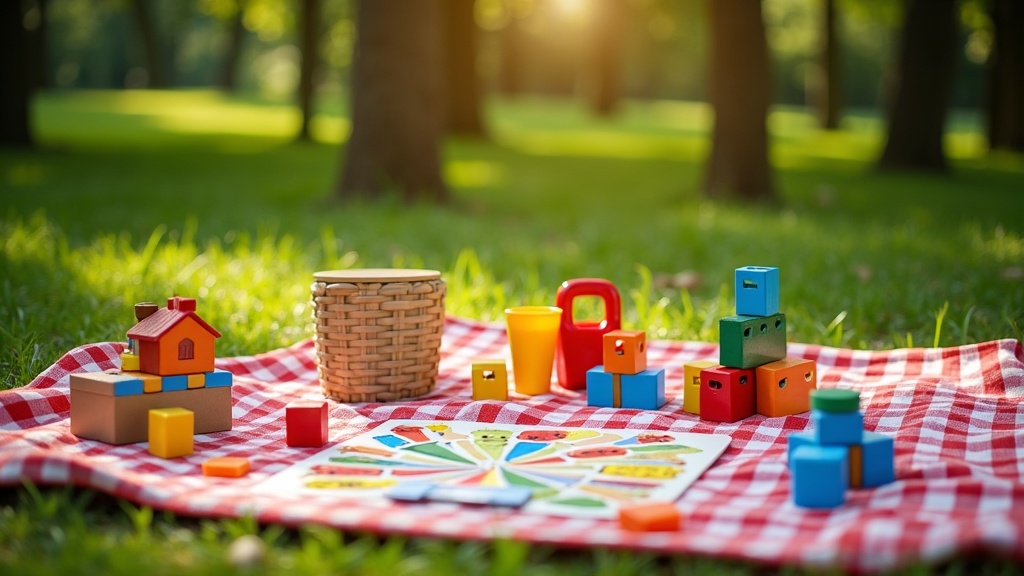
The Benefits of Playdates for Social Development
Playdates offer kids an easygoing space to try out new social skills. Unlike more structured environments like school, a playdate gives kids a chance to relax and connect. They can figure out how to share, listen, lead, and compromise—skills that don’t always come naturally but are really important for building friendships later on.
When kids play with others their age, they get real-time feedback about what’s fun, what isn’t, and what works in a group. I’ve watched kids learn to take turns, practice saying sorry, or politely ask for a toy back. Psychologists often talk about how play is basically practice for adulthood, and playdates are a key part of that practice. A child who’s shy may gain confidence in small group settings, while kids who tend to lead can practice letting others decide what to play.

Key Social Skills Kids Practice During Playdates
- Communication: Talking with other kids and explaining ideas helps build clear, confident communication. Even simple phrases like “Can I have a turn?” go a long way.
- Sharing and Cooperation: Sharing toys or snacks isn’t always easy for young children. On playdates, they get to work through these moments and find compromise, which is super important for group activities.
- Conflict Resolution: Disagreements are part of play. Having to work things out, whether it’s over who gets the last block or whose turn is next, helps kids learn to manage conflicts calmly.
- Empathy: When kids see a friend upset, they experience empathy firsthand. Comforting others, noticing when someone’s left out, or adjusting their behavior helps them develop emotional intelligence.
- Flexible Thinking: Games and pretend play often inspire kids to think on their feet. Flexibility in play translates to better teamwork and understanding later in life.
Setting Up a Positive Playdate Experience
Getting the most out of a playdate starts with a bit of prep. I’ve found that a comfortable, safe setting is key—think childproofed spaces and plenty of age-appropriate toys around. Some structure is great, like a loose plan for crafts or outdoor games, but downtime is just as helpful. Kids often create their own games on the fly, and these unplanned moments are great for developing creativity and cooperation.
- Keep groups small for young kids. Two to four kids lets everyone get involved without things getting overwhelming.
- Check in about interests. A quick chat with the other parent about what their child enjoys makes planning smoother.
- Stay nearby but let the kids steer. Being within earshot helps you step in if needed, but giving them space to solve problems themselves is where the real learning happens.
Food and flexible schedules help too. Snack breaks smooth over tough moments, and keeping the timing short (an hour or two) means kids leave happy, not overtired. If the group is new, you can do a quick icebreaker to help the kids get comfortable, like a silly song or a simple matching game.
Common Challenges and How to Handle Them
- Sharing Troubles: It’s pretty common for disputes to pop up over a favorite toy or game. Having a couple of “community” toys everyone’s allowed to use (and putting away any special loveys ahead of time) keeps the peace.
- Shyness or Separation Anxiety: Some children need a while to warm up. Starting with short, one-on-one playdates often helps, and gentle encouragement from parents makes a difference.
- Arguments and Hurt Feelings: A scuffle over rules or taking turns happens often, especially when kids are tired or hungry. When these squabbles come up, I step in to guide the conversation but focus on helping the kids explain their feelings, not just solving it for them.
- Different Ages or Temperaments: Mix-matched energy levels can take a little planning. I like to plan activities that everyone can join, like a basic craft, a sandbox, or outdoor play, so no one feels left out.
Sharing Troubles
Sharing can be tough, especially for toddlers and preschoolers. My favorite trick is setting a timer for turns with popular toys, which helps keep things fair and removes some of the pressure from the adults. Praising them when they share or take turns makes it more likely they’ll do it naturally next time. It helps to remind everyone in advance that taking turns is part of the fun, and sometimes modeling sharing yourself can show kids what to do.
Shyness or Separation Anxiety
If a child is slow to join in, I try not to push. Sometimes just letting them hang out near the group until they feel comfortable is all it takes. Inviting them to help with an easy job, like handing out crackers, is another smooth way to bring them into the activity. Sitting nearby with a favorite book or toy can give a hesitant child something familiar in a new setting, which makes it easier to join when ready.
Arguments and Hurt Feelings
When tempers flare, I ask each child to explain what happened and how they’re feeling. Guiding them to brainstorm solutions together gives them practice at resolving disagreements on their own. If the situation gets intense, taking a short break and returning to play helps everyone reset. Consistently modeling calm communication encourages children to use their words instead of acting out.
Different Ages or Temperaments
Activities like building with blocks, finger painting, or simple outdoor obstacle courses keep things fun for a wider age range. Sometimes, splitting into pairs for brief games works better than expecting a big group to stay on one activity. Allowing children to choose between a quiet activity and something active gives everyone an option that fits their energy level. Adapting based on mood and interests helps children get the most out of the time together.
These challenges are pretty common, but they’re also a big part of why playdates are useful; kids get hands-on practice dealing with real-world social hiccups and learn plenty through experience.
Tips for Boosting Social Growth Through Playdates
Over the years, I’ve found a few things that make playdates even more valuable for social learning:
Rotate the Group: Mixing up playdate partners means kids get experience with all kinds of personalities. This helps them adjust their social approach depending on who they’re with. Meeting new friends in a familiar setting also builds confidence for group situations at school or community events.
Try Cooperative Games: Activities that need teamwork, like puzzles or simple board games, push kids to talk and solve problems together. Games where everyone wins or where kids build something as a team foster a sense of mutual accomplishment.
Share Stories: At snack time, I’ll sometimes share a silly story about when I was a kid and had to wait my turn. Relatable stories help normalize tough feelings and show kids everyone struggles sometimes. Sharing stories about making up after an argument or working with friends to build something fun also gives children a blueprint for handling their own challenges.
Encourage Independence: Giving kids a chance to work out small arguments themselves (while you supervise) helps them build confidence and resilience for the next challenge. It’s important to let them make some decisions, like what game to play or which snack to have, encouraging problem-solving and decision-making skills.
Real-Life Examples and Unplanned Moments
One afternoon, I watched two four-year-olds decide to build a castle out of blocks, only to disagree about what the finished castle should look like. Instead of stepping in right away, I asked each what they liked about their idea. Pretty soon, they realized they could combine both plans and ended up with a castle that had two different towers, which they thought was next-level cool. Moments like these show how much kids can grow socially when given a little room to find their own solutions. I’ve also seen a shy child become the leader during a group scavenger hunt because he knew the backyard best, surprising himself and his friends with newfound confidence.
- Outdoor Play: Getting kids outside helps with group play and sharing. Nature is full of “neutral territory” where certain toys or spaces don’t belong to anyone. Activities like hide and seek, simple races, or collecting leaves or stones support cooperation and group fun.
- Crafts and Art: Creative projects encourage communication and turn taking. Passing out crayons or stickers is simple, but kids still need to negotiate and ask politely. Working together on a large mural or a shared art project creates opportunities for gentle leadership and compromise.
- Pretend Play: Imaginary worlds let kids try out different roles, such as leaders, helpers, or storytellers. Roleplaying builds empathy and helps kids see things from another perspective. Acting out familiar stories or inventing new characters is a natural way for children to practice cooperation and creative thinking.
Frequently Asked Questions
Question: How often should I schedule playdates for my child?
Answer: Once a week works well for many families, but every child is different. Follow your child’s lead; some kids love lots of social time, while others may need more downtime to recharge.
Question: What if my child always has arguments during playdates?
Answer: Arguments are pretty normal. Try coaching them with simple phrases they can use (“Can I have a turn next?” or “That made me feel sad”) and point out when you notice kind or cooperative behavior. Practice and patience go a long way, and gentle reminders make it less likely arguments will repeat in the future.
Question: Are online playdates effective for social skill development?
Answer: Online playdates can help kids maintain connections if they can’t meet in person. While they’re not quite the same, guided video chats where kids tell stories or play simple games do help practice some communication skills. Parents can set up shared activities, like drawing together or playing Simon Says, to keep kids chatting and participating actively.
Getting the Most Out of Playdates
Playdates are a friendly, low-key way to encourage kids’ social development. By offering a safe space for practice and a little support when needed, parents can watch their kids grow more confident, caring, and capable with every visit. Experimenting with different activities, mixing up play partners, and letting kids lead the way sets them up for stronger friendships now and in the future. Playdates aren’t just fun; they’re a simple, practical tool for building social skills that stick. If you keep things flexible, stay supportive, and remember that a few bumps along the way are normal, your child will get the most out of these special times.