
Watching your child grow is one of the most rewarding and sometimes nerve-wracking parts of parenthood. Every parent wants to know if their little one is on track, and understanding developmental milestones can go a long way in giving some peace of mind. I’ve spent a lot of time chatting with pediatricians and reading up on child development, so I want to share what I’ve learned about when babies and toddlers tend to hit those big moments, and what these milestones actually mean.
What Are Developmental Milestones?
Developmental milestones are those skills and abilities that most kids pick up by a certain age. These can be physical, like sitting up or walking, or social and language-based, like babbling or smiling at familiar faces. Pediatricians use these markers as a way to make sure a child is growing as expected. Of course, every kid is a bit different, but there are general timeframes for when most children reach certain milestones.
These markers aren’t just for peace of mind. They help spot any early concerns so families can get support if needed. Milestones are broken down into categories like movement, communication, problem solving, and social skills. By knowing what to expect, you can better support your child’s growth and stay tuned in to what’s happening each day. When watching for these skills, it’s helpful to remember that some kids might focus on one area first before catching up in another, so don’t stress if your little one is more chatty than mobile, or vice versa.
Typical Milestones by Age Group
Every child is unique, but I want to give you a rundown of what most kids do at different ages. This can help you spot new achievements and notice if anything seems a bit off (but remember, there’s a pretty wide range of “normal”).
1-3 Months
- Movement: Makes jerky arm movements, brings hands to mouth.
- Sensory: Turns head toward sounds, follows things with eyes.
- Social: Begins to smile, starts to coo and gurgle.
4-6 Months
- Movement: Rolls from tummy to back (and sometimes back to tummy), holds head steady without support, supports weight on legs.
- Communication: Laughs, babbles, responds to own name.
- Social: Recognizes familiar faces, enjoys playing with others.
7-12 Months
- Movement: Sits without support, crawls, pulls to stand, cruises along furniture, may take first steps.
- Communication: Says simple words like “mama” or “dada” (specific words might not refer to the right parent yet), plays peekaboo, responds to simple spoken requests.
- Social: Becomes attached to caregivers, has favorite toys, shows stranger anxiety.
12-18 Months
- Movement: Walks alone, may begin to run, climbs onto furniture.
- Communication: Says several single words, shakes head “no,” tries to mimic words you say.
- Social: Likes handing things to others as play, may have temper tantrums, shows affection to familiar people.
18-24 Months
- Movement: Kicks a ball, begins to run more confidently, walks up and down steps holding on.
- Communication: Combines two words (“more milk”), points to things in books, says a growing number of words.
- Social: Shows independence, imitates others, starts to play beside other children (parallel play).
2-3 Years
- Movement: Jumps in place, stands on tiptoe, throws a ball.
- Communication: Names familiar things, asks questions, speaks in short sentences.
- Social: Shows a range of emotions, gets excited about other kids, may show signs of potty training readiness.
Common Questions Parents Have About Milestones
It’s totally normal to have questions, and even worries, about developmental milestones. Here are some of the things I get asked most often:
What if my child isn’t hitting milestones exactly on time?
Most of the time, a little variation is nothing to worry about. Some kids walk early and talk late, while others do the reverse. The range for what counts as “normal” can be pretty wide. If your child is a couple months behind but making steady progress, it’s usually fine. However, if you notice they’re missing several milestones or seem to stop progressing, it’s a smart move to talk with your pediatrician for advice and support.
Are some milestones more important than others?
All milestones give helpful clues, but some are super important to watch for. For example, things like lack of eye contact, no babbling by 12 months, not walking by 18 months, or not using two word phrases by age 2. These can sometimes be early signs that your child could use some extra support from a specialist.
Is it worth comparing my child to others at playgroups or daycare?
It’s tempting to do, but try to resist! Kids develop at their own pace, and comparing can add more stress than help. Instead, focus on your child’s progress and celebrate their unique path. Trusted sources like the Centers for Disease Control and Prevention (CDC) have reliable milestone checklists if you want to double-check what’s typical for each age: CDC Developmental Milestones.
Things That Can Affect Reaching Milestones
Plenty of things play a role in when and how children hit milestones. I’ve seen that both environment and genetics matter. Some babies take longer because of family tendencies, health conditions, or because they were born a bit early (premature babies might need extra time, and pediatricians often use adjusted age for them).
Here are a few everyday factors that can impact development:
- Environment: Babies who spend time on their tummies during play (“tummy time”) often build strength faster.
- Interaction: Lots of talking, reading, and singing with your child can encourage speech and social milestones.
- Physical Health: Chronic illnesses or hospital stays can temporarily slow development.
- Genetic Considerations: Some kids just grow at a different pace than siblings or peers.
Family rhythms and cultural backgrounds can also influence when milestones are reached. Some families may prioritize different kinds of play or communication, which shapes how and when new skills appear. If you’re worried, early screening and evaluation can help get things rolling. Early support can make a big difference in helping kids catch up or find strategies to keep up with peers.
Practical Ways to Encourage Healthy Development
You don’t need fancy gadgets to help your kid thrive. Most young kids learn best through regular, hands-on play and lots of positive interaction with adults. Here are some things I try to do at home and recommend to other families:
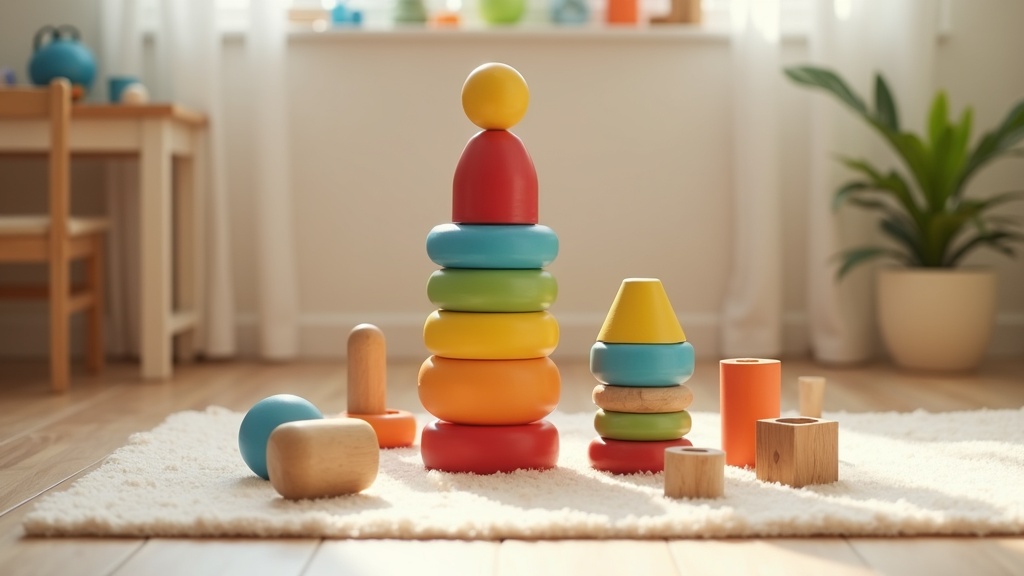
- Play on the floor with your child. Blocks, simple puzzles, and age appropriate toys are all great.
- Encourage tummy time for babies (it really helps with developing neck and arm muscles).
- Read books, even with newborns. Looking at pictures and listening to your voice gives language skills a boost.
- Repeat words, point to objects, and talk about what you’re doing. Kids learn a ton from simple conversation and repetition.
- Let your toddler feed themselves, climb onto furniture, and try to dress themselves (with supervision, of course).
You can also sing simple songs, do fingerplay games, and create routines that encourage your child to predict what comes next. Even a walk outside can be a great chance to spot colors, name objects, and practice new words. The key is to stay present and offer encouragement, allowing your child to try and sometimes fail, as every effort helps them grow stronger and more confident.
Watching for Red Flags and When to Chat With Your Pediatrician
Even when things seem to be going fine, staying in touch with your child’s doctor is really important. Regular checkups let you bring up any questions and get reassurance. There are a few signs that mean a closer look is needed:
- No smiling or joyful expressions by 6 months
- No babbling by 12 months
- No gestures like pointing or waving by 12 months
- Not walking by 18 months
- Losing skills that used to be present (like stopping talking or walking)
Most pediatricians recommend using tools like milestone trackers or the CDC’s milestone app. Bringing a list of your questions or observations to appointments can help make the most of your visit. If you ever feel unsure, it never hurts to check in with your child’s healthcare provider for extra peace of mind.
Resources for Learning More
If you’re after more info or want extra guidance, these resources have helped me:
- CDC’s “Learn the Signs. Act Early.” Program
- HealthyChildren.org (from the American Academy of Pediatrics)
- Local early childhood programs and parent support groups
Many libraries also offer story time and free community events that are perfect for toddlers and preschoolers to practice social and language skills. Connecting with other parents, either in person or online, can give you a sense of what’s typical and offer support as you find your way through each stage of development.
Frequently Asked Questions
How much variation is normal when it comes to milestones?
Quite a bit, honestly! Even siblings can hit the same milestones at different ages. Pediatricians often look at trends over time rather than any one moment. If you’re seeing steady progress, that’s usually a great sign.
What if my child needs extra help with development?
Early intervention services, sometimes through the state or a local agency, can be really useful. Getting help doesn’t mean something is “wrong.” It’s all about giving kids what they need to succeed. Ask your pediatrician for recommendations based on your family’s situation.
Should I use an app to track milestones?
Apps can be super helpful for reminders and record keeping, but they’re not a replacement for checkups. Use them to supplement, but always raise questions with your child’s doctor if you’re concerned.
Staying tuned in to developmental milestones can help you spot those small, everyday victories that lead up to the big moments. Celebrate progress and don’t hesitate to reach out for support if something feels off. Your attention and love are some of the best things you can give your child as they explore the world and grow into their own unique person. Remember, every child’s adventure is different and there’s so much joy in cheering them on every step of the way.
The “Practical Ways to Encourage Healthy Development” section really stood out to me because it beautifully emphasizes that children learn best through everyday play and connection not expensive gadgets or structured lessons. I love how it highlights simple, nurturing moments like reading together, singing songs, and encouraging independence through small tasks like self-feeding or dressing. These examples remind parents that presence and consistency matter most in fostering growth. It’s empowering to see such a down-to-earth approach supported by developmental insight. The tips also make learning feel joyful and accessible to any family. How can parents balance encouraging independence with ensuring safety during playtime? And are there specific types of play most effective for boosting both motor and language development simultaneously?
That’s such a thoughtful reflection — you’ve captured the heart of that section beautifully. Balancing independence and safety during playtime is really about creating a “yes” environment where children can explore freely within safe boundaries. Parents can do this by childproofing play areas, using age-appropriate toys, and staying nearby to supervise without taking over. Offering gentle guidance rather than immediate intervention helps children learn to problem-solve and build confidence while still feeling secure.
When it comes to boosting both motor and language development, interactive play works wonders. Activities like building with blocks, pretend cooking, or outdoor games encourage movement, coordination, and communication at the same time. For example, narrating actions during play (“You’re stacking the red block on top!”) supports language growth while engaging fine motor skills. Singing songs with actions, storytelling with gestures, or role-playing also connect movement with vocabulary learning. Ultimately, the best play is hands-on, imaginative, and shared — where children feel supported to explore, talk, and move freely in a safe, loving space.