
Building fine motor skills at home with your preschooler can actually be a lot of fun. These exercises not only set your child up for success in school, but they also add some pretty cool activities into your day. I’m sharing some of my favorite DIY fine motor skill exercises that you can do using things you already have around the house. No fancy equipment or expensive kits needed; all you need is a little creativity and the willingness to get a little messy.
🔎 Affiliate Disclosure
This article contains affiliate links. If you purchase through these links, we may earn a small commission at no extra cost to you. We only recommend tools that genuinely support early childhood development.
Why Fine Motor Exercises Are Really Important For Preschoolers
Fine motor skills are what help kids use the small muscles in their hands and fingers. Every time a child picks up a pencil, buttons a shirt, or moves a game piece on a board, they’re using these skills. Practicing at home is one of the best ways to get comfortable with day-to-day tasks. Some studies even link strong fine motor skills with early academic skills, like writing and math (source: NAEYC), so it’s definitely worth including in your routine.
Families don’t need to stress about making things perfect. Homemade activities are just as effective as anything you can buy in the store. Plus, involving your child in setting up the activities boosts their independence and creativity. READ MORE: How to prepare your preschool
Getting Started: What You’ll Need
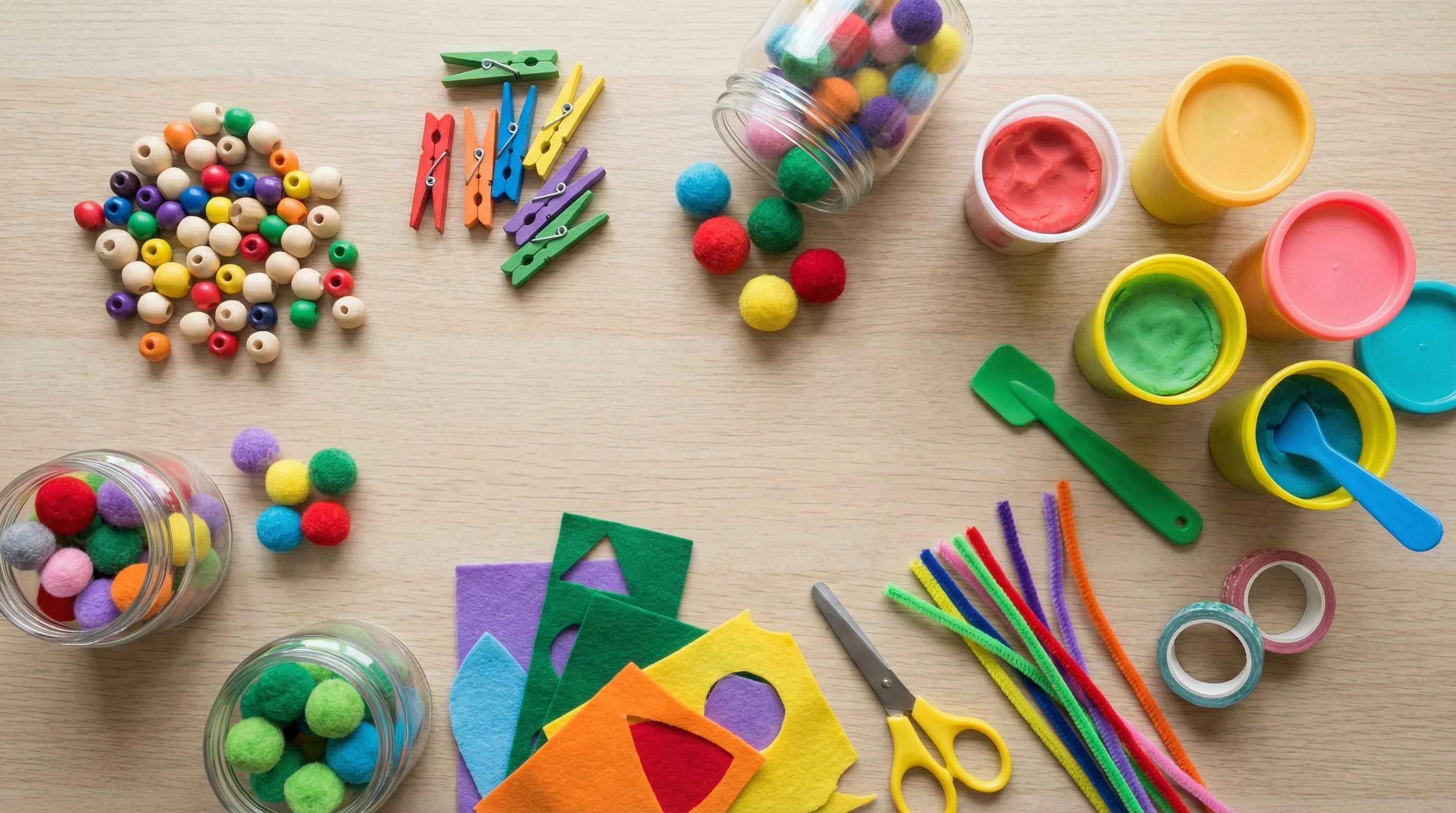
Before jumping into the activities, it helps to gather up some common supplies. Most items you’ll probably find in your kitchen, junk drawer, or craft box.
- Clothespins: These are great for pinching and strengthening fingers.
- Pompoms and beads: Brightly colored and the perfect size for tiny hands.
- Plastic tweezers or tongs: Kidfriendly ones are nice but regular kitchen tongs work too.👉 Check Price on Amazon – Kids Fine Motor Tweezers Set
- Buttons, pasta, or cereal loops: For threading, sorting, or even counting games.
- Pipecleaners or string: Handy to thread, twist, or bend into fun shapes.
- Egg cartons, muffin tins, and ice cube trays: Really useful for sorting, counting, and organizing tasks.
- Playdough or homemade dough: Always a win for rolling, pinching, and shaping.
Easy DIY Fine Motor Exercises for Preschoolers
I’ve rounded up some activities that have worked well in my own home, and that kids seem to love. Mix and match based on what you have, and don’t worry about following instructions perfectly; creativity really counts here.
- Pompom Transfer: You’ll just need a muffin tin, some pompoms, and a pair of tongs or tweezers. The goal is to pick up pompoms and move them from a pile into the muffin cups, helping those hand muscles work.
- Pipe cleaner Threading: Take a pipe cleaner and some pasta with large holes (like penne or rigatoni). Ask your child to thread the pasta onto the pipe cleaner. This is great for eye hand coordination and finger control.
- Clothespin Matching Game: Write colors or letters on the sides of a cardboard box or a sturdy paper plate. Paint or color the ends of clothespins to match, then ask your preschooler to clip the pins onto their matching colors or letters. It works on pinching skills and recognition at the same time.
- Spoon and Bean Race: Fill one bowl with dry beans and place another empty bowl next to it. Have your child move the beans from one bowl to the other using only a spoon. It’s trickier than it sounds and gives those wrists and fingers a workout.
- Sticker Peel Off: Give your preschooler a sheet of small reward stickers and a piece of paper. Peeling off and sticking each one builds finger strength and dexterity.
- Playdough Snakes & Shapes: Rolling out playdough snakes, pressing dough flat, or using cookie cutters all help build grip strength. Homemade dough works if you don’t have playdough handy. View Top-Rated Playdough Kit Here
Simple Ways to Add Fine Motor Practice Into Your Day
It’s pretty easy to sneak fine motor exercises into regular routines. Here are a few simple ways you can practice without setting up a full activity:
- Let your child help zip up sweaters, button shirts, and put on their shoes. It might take longer, but they’re learning!
- Use meal or snack times to practice spreading nut butter, cutting soft foods with kid safe knives, or opening lids.
- Ask for help with sorting laundry—matching socks by rolling or folding them together is great hand practice.
- Let kids help with gardening by pulling weeds, scooping dirt, or dropping seeds into holes.
- Make a game out of cleaning up toys. Picking up and sorting small blocks or figures helps those little hands build strength and accuracy.
Common Challenges and How to Tackle Them
It’s normal for preschoolers to get frustrated with these activities sometimes. Here are some quick tips that really help at my house:
- Pacing matters: Kids can lose interest quickly. Keep activities short and praise their efforts, not just the results.
- No pressure: It’s about building confidence, not perfection. Mistakes are fine and expected.
- Adjust as needed: If something’s too hard, try a bigger item (like using fat straws instead of thin ones) or break the steps down into smaller tasks.
- Be involved: Sometimes kids want company or help getting started. Sitting beside them or doing the activity together can keep things engaging.
Extra Fine Motor Hacks from My Own Experience
I’ve found some tricks over the years that really give a boost to engagement. Here are a few to make the most out of your at home practice:
Turn activities into stories: Pretend the pompoms are cupcakes at a bakery that need to be delivered, or the pasta is treasure for a pirate game. Adding a little imagination goes a long way in sustaining focus.
Reuse materials: Don’t toss out egg cartons, jars, or cardboard tubes; these can all be turned into new games. Sorting buttons into different sections of an egg carton is just as effective as any storebought toy.
Try vertical surfaces: Tape a sheet of paper to the wall or an easel. Drawing, sticking, and peeling on a vertical surface uses different muscles and gives wrists and shoulders a workout, too.
Make cleanup part of the activity: Use a small brush and dustpan or even little tongs to “rescue” escaped items. That way, you’re still practicing even as you put everything away.
Frequently Asked Questions About Fine Motor Skills at Home
If you’re new to fine motor exercises, you probably have a few questions. Here are some answers that usually come up when I share these tips with other parents and caregivers:
How often should I do these activities with my preschooler?
Most kids benefit from a few minutes a day of focused practice. You don’t need to make it structured or formal; scattering short bursts of activity throughout the day keeps things light and fun.
My child gets frustrated easily. What should I do?
Step back and offer simpler tasks. Celebrate effort, and consider taking breaks or switching activities frequently to avoid meltdowns.
Are there signs my child needs more help with fine motor skills?
If you notice ongoing trouble holding utensils, drawing simple shapes, or avoiding certain tasks altogether, it might be helpful to chat with your child’s preschool teacher or pediatrician for additional advice or support.
Can I make my own materials instead of buying special kits?
Absolutely. Homemade materials work just as well. Anything that encourages your child to pinch, grip, twist, or move with their fingers will give a boost to fine motor development.
As an extra tip, you could also join simple crafts together with your child, like crumpling paper to make flowers, stringing buttons on shoelaces, or folding origami. These activities double as bonding moments while making those little hands nimbler and more precise.
🎯 Create a Simple Fine Motor Basket (CTA Section)
Want an easy setup?
Create a Fine Motor Basket with:
✔ Tweezers
✔ Beads
✔ Playdough
✔ Stickers
✔ Clothespins
👉 Browse Recommended Fine Motor Tools Here
Keep it on a low shelf so your child can access it independently.