
 Teletherapy is changing how children with developmental issues get the support they need. Traditional in-person sessions are getting some strong competition from online therapy tools and platforms. Families are seeing more options than ever, which is pretty exciting, especially for kids living in areas where specialists are scarce.
If you’ve been looking for new and practical ways to support a child’s development without driving long distances or sitting in waiting rooms, you’re not alone. Technology is making specialized care from speech therapists, occupational therapists, and behavioral specialists much easier to access. There are still some challenges to work through, but the future of teletherapy for child developmental issues looks promising.
I’m going through the main trends, benefits, and what parents, educators, and therapists can expect in the years ahead. Whether you’re searching for extra tools at home or you’re considering teletherapy as your child’s main support, this rundown should give you a clearer picture of what’s on the horizon.
💡 Transparency Note
Some of the links in this article are affiliate links. This means we may earn a small commission at no extra cost to you. These commissions help support early childhood education initiatives and future learning projects.
1. How Teletherapy is Transforming Child Developmental Care

Teletherapy lets therapists work with kids using video calls, interactive apps, and online resources. During the height of the pandemic, teletherapy became a lifeline for families who couldn’t see specialists face to face. What started as a temporary solution has grown into a long-term option for a lot of families.
Kids with autism spectrum disorder, speech delays, ADHD, and sensory processing difficulties are seeing more tailored remote sessions. Therapists can coach parents to help their children outside of appointments, which actually creates more opportunities for daily progress. I’ve heard from several parents who feel more connected to their child’s therapy goals since they’re now more involved in sessions at home.
Additionally, some therapists are using digital progress charts and virtual goal boards so families can see accomplishments and milestones visually. This empowers children and parents to celebrate small wins and makes the process feel more interactive. As therapists work out the best approaches, teletherapy becomes more than just a substitute for in-person visits—it turns into a family-focused, everyday experience.
2. Benefits of Teletherapy for Children and Families
- Access to More Specialists: Geography no longer limits which therapists you can work with. This is really helpful in rural or underserved areas.
- Flexible Scheduling: Fitting sessions into busy family schedules is easier without the commute. Even 30-minute check-ins during nap time or after school are possible.
- Comfort of Home: Some kids feel more relaxed working on speech or social skills in familiar surroundings. The home environment can reduce stress and help shy or anxious children open up.
- Family Involvement: Parents and caregivers are often more present, learning new strategies to support their child between sessions.
- Efficient Tracking: Most teletherapy platforms come with tools for progress tracking, session notes, and homework practice. It’s easy to check in on goals or revisit past exercises.
Beyond these, teletherapy can help families better understand therapy objectives. Session notes and recorded assignments often allow parents to reference strategies later, reinforcing skill-building during family routines. For families on tight budgets or with transportation challenges, these online options can mean consistent care without added stress.
3. Technology That’s MakingToday’s teletherapy sessions go beyond basic video calls.
I’ve checked out some pretty cool online platforms and apps with interactive games, digital whiteboards, and rewards systems. Kids can drag and drop objects, record their own voices for feedback, or do virtual scavenger hunts—all under the therapist’s supervision.
Wearable devices, smart toys, and adaptive tech are also popping up to keep therapy engaging. Many therapists use secure, HIPAA-compliant video conferencing tools to protect privacy and keep sessions confidential. Honestly, tech innovation is speeding up fast, driven by both therapists seeking new ways to connect and companies building tools just for kids with developmental needs.
For example, new software is being developed to allow therapists to share real-time progress data with families. Some applications automatically create visual charts so children can see their improvement over time. As artificial intelligence gets better at personalizing practice tasks, these sessions will continue to feel more like play than work for many kids.
4. Teletherapy in Schools and Early Intervention Programs
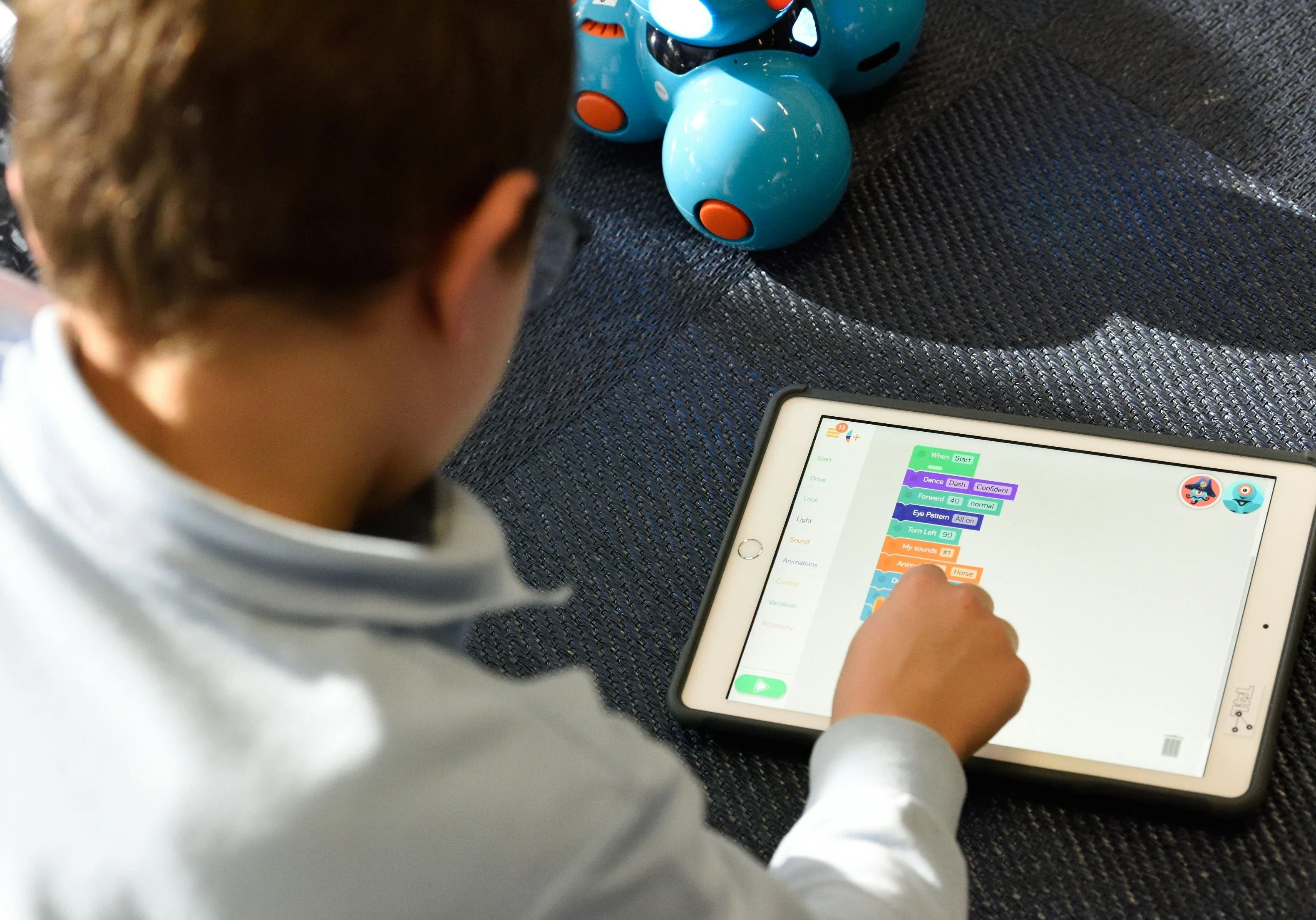
Public schools and early intervention services are adopting teletherapy to bridge staffing gaps and keep up with demand. School-based teletherapy platforms let speech language pathologists, occupational therapists, and mental health counselors work with more students—even those in remote districts. Teachers and aides can join sessions too, turning therapy into a team effort.
Early intervention for children ages birth to three is especially important, and teletherapy lets service coordinators track progress and keep parents in the loop. Many states in the US now include telehealth as part of Individualized Education Program (IEP) plans so that services continue without interruption.
Some schools are now offering group teletherapy sessions and virtual classroom visits, where specialists can observe students and provide instant feedback to teachers and aides. This collaborative approach helps schools adjust teaching tactics and integrate therapy recommendations straight into the classroom setting.
5. Challenges That Still Need Solving
- Technical Issues: Unstable internet or lack of access to devices can make connecting difficult, especially for some families. Slow connections or video lag can interrupt the flow of therapy sessions.
- Insurance and Funding: Not all insurance plans cover teletherapy, although more are starting to recognize its value. Keeping up with policy changes is important for families seeking reimbursement.
- Engagement: Some kids, especially younger children or those with attention difficulties, can have trouble staying focused on a screen. Sessions need to be short, varied, and filled with interactive elements to keep them interested.
- Assessment Limitations: Certain hands-on evaluations are still more accurate in person. Therapists need training to spot what can be missed through a webcam.
Alongside these hurdles, addressing privacy concerns remains important, especially with increased data sharing on digital platforms. Families need clear guidance on how to keep information safe, and therapists must stay ahead on security practices. Also, finding ways to deliver hands-on therapies like sensory integration or complex motor skill training online is still a work in progress for many professionals.
6. What Therapists Are Doing to Adapt
Therapists are getting creative by turning household objects into therapy tools, like using building blocks or kitchen utensils for fine motor skill practice. They’re also involving siblings or parents to demonstrate tasks and keep kids engaged. Ongoing training in teletherapy strategies is becoming the norm, so professionals stay up to date with online best practices.
Social emotional skills can also be built through online group sessions, letting kids connect with peers working on similar goals. I’ve seen virtual social skills groups where children practice greetings, sharing, and turn taking through video chat, and it’s pretty effective when managed well.
Furthermore, therapists are now exploring regular feedback sessions with families to fine-tune strategies and celebrate progress together. Online workshops and support groups also give parents extra tools, making the process more inclusive than ever.
7. The Future: What’s Next for Teletherapy in Child Development?
Looking ahead, several trends will shape how teletherapy continues to help children with developmental issues:
- Better Personalization: Artificial intelligence and machine learning are starting to analyze progress data and adapt therapy activities for each child’s needs. That means even more targeted support for things like speech delays, sensory challenges, or behavioral skills.
- Virtual Reality and Augmented Reality: Some therapy programs are testing VR and AR for social skills training, phobia exposure, and even physical exercises. These tools make sessions more engaging and can simulate real world scenarios safely.
- Increased Insurance Support: More insurance companies and public healthcare systems are recognizing the value of teletherapy. Expanded reimbursement will help make these services more widely available.
- More Research: Ongoing studies are confirming that, for a lot of developmental goals, virtual care is as effective as in-person visits. As the research grows, expectations, training, and best practices will get even stronger.
With the ongoing tech improvements and larger acceptance from schools and medical providers, it’s reasonable to expect teletherapy will reach even more homes. The blend of artificial intelligence with human expertise is already showing promise, and could help close gaps many families still face in accessing quality care.
8. Tips for Families Considering Teletherapy
- Check with your current therapists to see if they offer teletherapy or can recommend trusted providers.
- Make sure you have a strong internet connection and a device with a camera and microphone.
- Set up a quiet, distraction free space for each session.
- Be prepared to join sessions, especially for young kids; your involvement really matters.
- Review your insurance policy to see what’s covered, and ask about financial assistance programs if needed.
- Talk openly with your child’s therapist about goals and routines. Sharing updates in between sessions can help personalize therapy plans.
These products align perfectly with teletherapy and child development content:
🔹 Teletherapy & Learning Platforms
- Online speech therapy programs for kids
- Teletherapy platforms for autism and ADHD
- AI-powered learning and progress-tracking apps
👉 Affiliate networks: Direct therapy platforms, SaaS education tools
🔹 Developmental Therapy Tools
- Speech therapy flashcards
- Fine motor skill toys (peg boards, sensory bins)
- Social skills and emotion cards
- Occupational therapy activity kits
The world of teletherapy for child developmental issues is growing and switching things up fast. Technology won’t replace every aspect of in-person care, but it’s making specialized support a lot more reachable. No matter where you are, chances are higher than ever that you’ll find a teletherapy solution to fit your family’s needs.
👉 If you’re looking to support your child’s development at home, teletherapy tools and learning aids can make a real difference.
Explore trusted teletherapy platforms, speech therapy apps, and developmental learning tools that complement your child’s therapy goals.
👉 Parents, educators, and therapists: investing in the right tools today can accelerate progress tomorrow.