
The human brain is extraordinary, and from the moment an infant is born, it begins developing at an astonishing speed. In fact, more than 80% of brain growth happens within the first three years of life. During this critical window, nutrition plays a central role in shaping how an infant’s brain grows, connects, and functions.
Nutrition is not just about keeping babies full—it fuels brain cells, supports neural connections, and lays the foundation for learning, memory, attention, and emotional regulation. The foods infants receive early in life can influence cognitive performance and overall brain health well into adulthood.
Understanding which nutrients matter most and how to provide them safely can help parents, caregivers, and early childhood educators support optimal brain development from the very start.
💡 Transparency Note
Some links in this article are affiliate links. We may earn a small commission at no extra cost to you. These commissions help support early childhood education initiatives and future learning projects.
Why Early Nutrition Matters for Brain Development
During infancy, the brain forms millions of neural connections every second. These connections depend heavily on nutrients that support oxygen flow, cell structure, and neurotransmitter production.
Poor nutrition during this stage may affect:
- Cognitive development
- Language acquisition
- Memory and focus
- Emotional regulation
On the other hand, balanced and nutrient-rich diets help build a strong neurological foundation that supports lifelong learning and health.
Essential Nutrients for Infant Brain Health
Omega-3 Fatty Acids (DHA & EPA)
Omega-3s—especially DHA—are critical for brain structure and function. DHA is a major building block of brain cells and supports vision, memory, and attention.
Common sources:
- Breast milk (if the mother consumes omega-3s)
- DHA-fortified infant formula
- Pediatric DHA supplements (when recommended)
CHECK THE AMAZON FOR PRICE : Infant DHA Omega-3 Liquid Supplement – supports brain and visual development
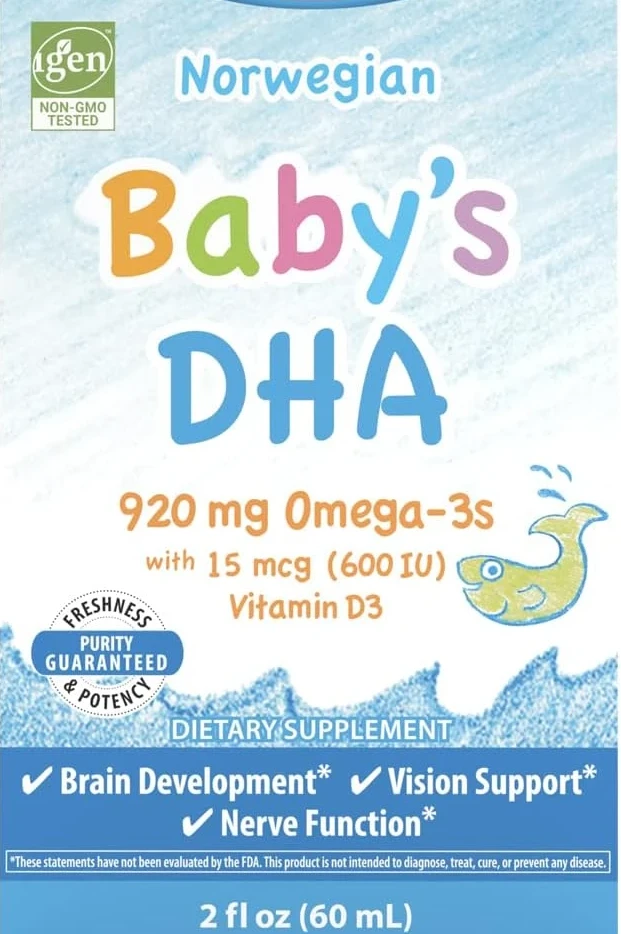 Close-up of infant-safe DHA liquid supplement with dropper
Iron
Iron supports oxygen transport to the brain and is essential for cognitive development. Iron deficiency in infancy is linked to delayed learning and behavioral challenges.
Sources include:
- Iron-fortified infant cereals
- Pureed meats
- Pediatric iron supplements (if prescribed)
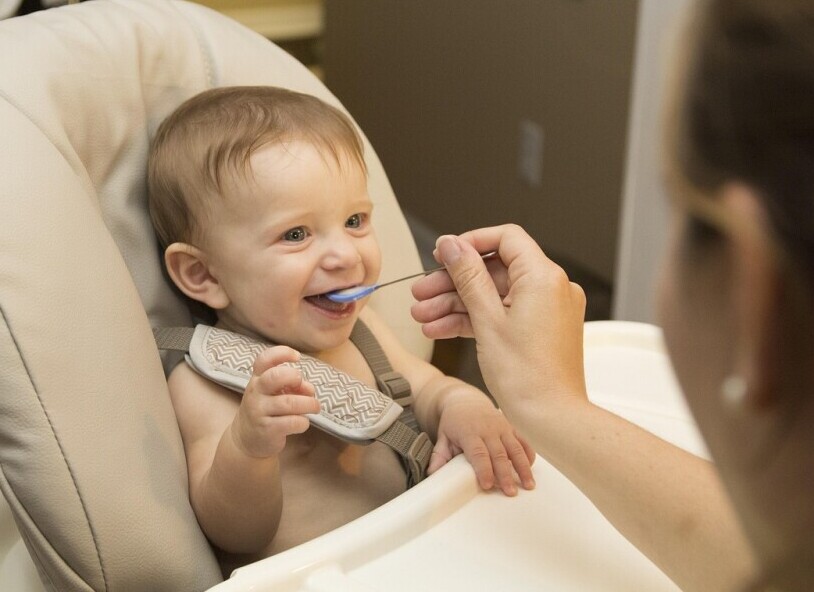
VIEW FOR THE PRICE : Iron-Fortified Infant Cereal Bowl of iron-fortified baby cereal with feeding spoon
Zinc
Zinc supports neuroplasticity—the brain’s ability to adapt and learn. It also strengthens immune health, which indirectly supports development.
Sources:
- Beans and lentils
- Meat-based purees
- Fortified foods
Choline
Choline is vital for memory development, brain cell communication, and mood regulation.
Sources:
- Eggs
- Leafy greens
- Choline-enriched baby foods
Product Example:
Choline-Enriched Baby Food Pouches
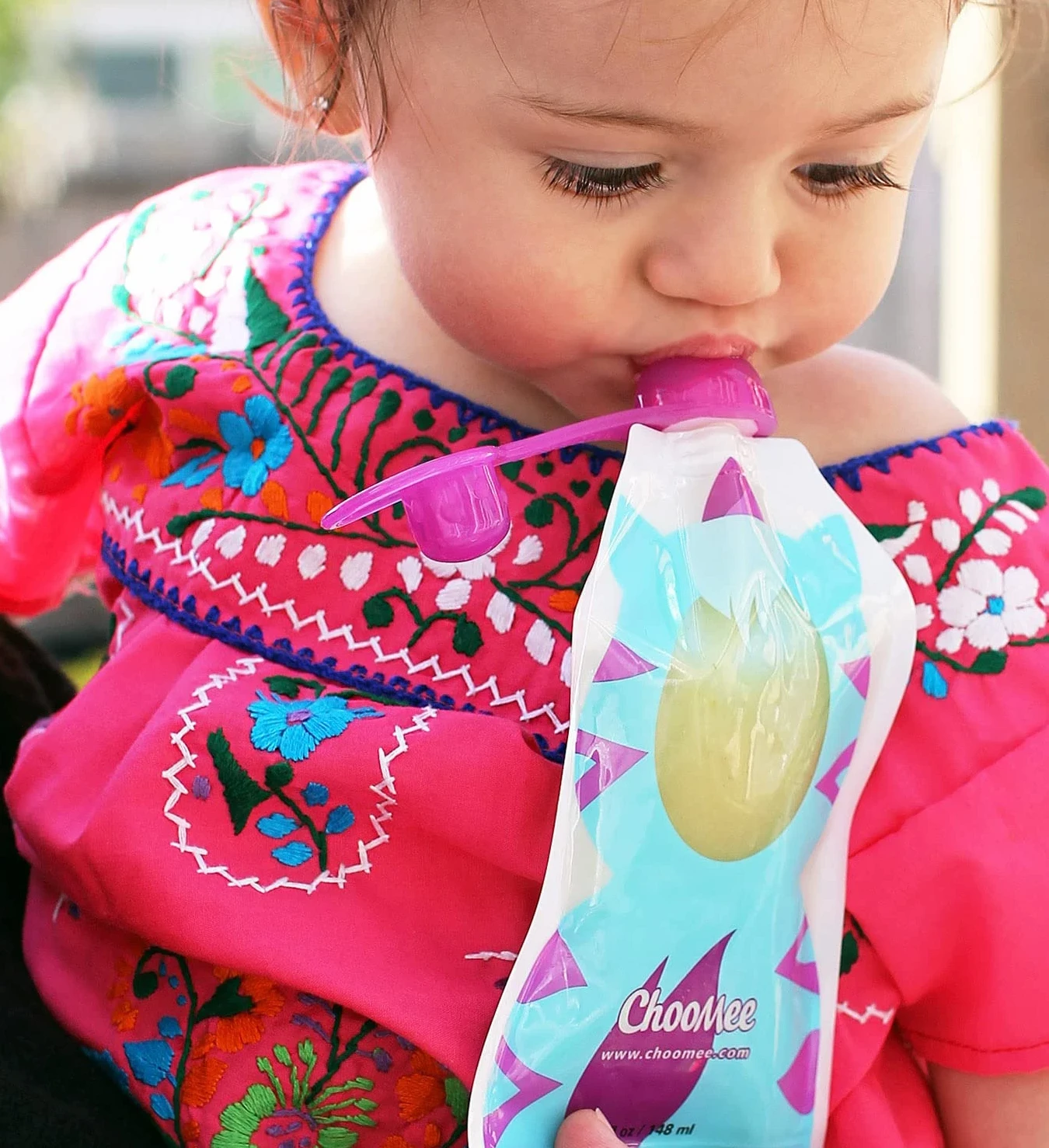
Organic baby food pouches with choline-rich ingredients
Key Vitamins (A, B6, B12, C & D)
These vitamins support:
- Neurotransmitter production
- Brain structure
- Immune and cognitive function
Vitamin D, in particular, is essential for neurological health and is often recommended as a supplement for infants.
Product Example: VIEW THE PRICE FOR THIS PRODUCT
Pediatric Multivitamin Drops
Creating a Balanced Nutritional Plan for Infants
As infants transition to solid foods, balance becomes essential. A brain-supportive diet includes:
Proteins
Support brain tissue growth and repair.
Sources: yogurt, soft cheese, lentils, pureed meats
Healthy Fats
Critical for brain growth and neural insulation.
Sources: avocado, nut butters (age-appropriate), full-fat dairy
Carbohydrates
Primary energy source for the growing brain.
Sources: fruits, vegetables, whole grains
Variety is key. Introducing diverse flavors and textures early helps develop healthy eating habits and ensures broad nutrient intake.

Colorful plate of infant-friendly solid foods
Common Myths About Infant Nutrition
❌ “Infants should avoid fats”
✅ Truth: Healthy fats are essential for brain development.
❌ “Supplements can replace real food”
✅ Truth: Whole foods should always come first unless advised by a pediatrician.
❌ “Organic foods are always more nutritious”
✅ Truth: Both organic and conventional foods can be equally nutritious.
Understanding these myths helps caregivers make confident, informed decisions.
Monitoring and Adapting Nutrition as Infants Grow
Infants’ nutritional needs evolve rapidly. Regular pediatric check-ups help track growth, nutrient intake, and developmental milestones.
Tips for adapting nutrition:
- Adjust portion sizes as activity increases
- Watch for food sensitivities
- Encourage self-feeding when appropriate
- Maintain a calm, positive mealtime environment
Healthy habits formed early create long-term benefits for brain health and overall wellbeing.
Recommended Brain-Supporting Resources
(Affiliate Links Included)
✔ Infant DHA Omega-3 Supplements
✔ Iron-Fortified Infant Cereals
✔ Pediatric Multivitamin Drops
✔ Baby Feeding Guides & Nutrition Books
These tools help parents and caregivers confidently support infant brain development.
Call to Action (PRIMARY CTA)
Support Healthy Brain Development From the Start
Stay informed with evidence-based insights on infant nutrition, early learning, and child development.
👉 Subscribe to our newsletter for practical guidance and trusted resources that support growing minds.
Why This Matters to Blooming Sprouts Prep School
At Blooming Sprouts, we believe early nutrition and early learning go hand in hand. The foundations built in infancy shape a child’s readiness to learn, explore, and thrive in educational environments.
Supporting healthy beginnings today creates confident learners tomorrow.