
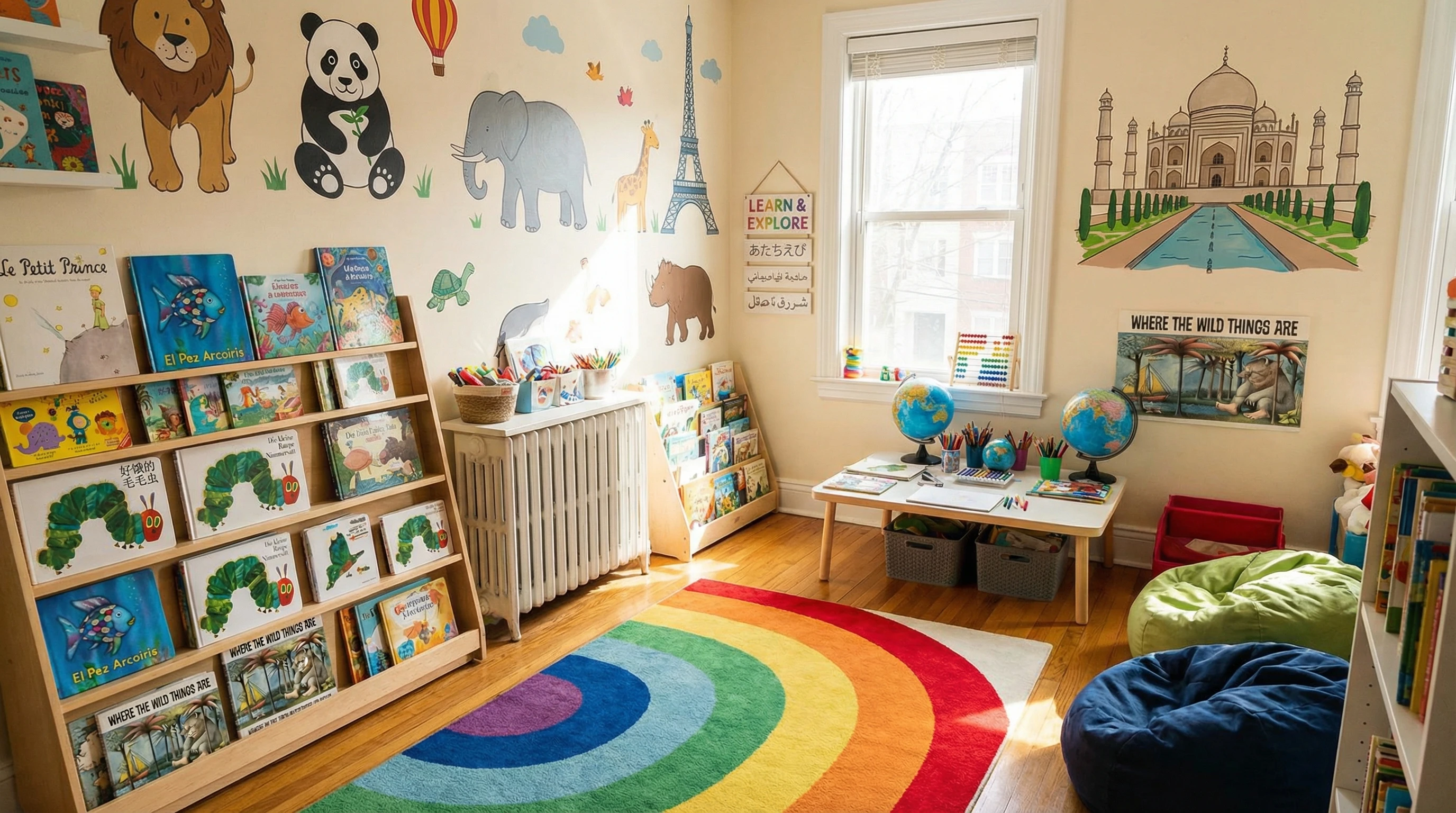
 Giving kids the chance to learn more than one language early on can really set them up for success in our connected world. Multilingual learning programs make it a lot easier for little ones to pick up new languages while still having fun. With so many options out there, including apps, courses, games, and books, finding the right fit can get overwhelming. That’s where expert advice comes in handy to sort through the noise.
Some programs promise fast results or instant fluency, but it’s the ones built on solid research and child friendly methods that stand out. Learning multiple languages when you’re young isn’t just about repeating words; it’s about building confidence, cultural awareness, and sparking curiosity in all kinds of ways. Language experts keep these things in mind when recommending programs that get real results.
This guide covers the top multilingual learning programs for young children, recommended by language educators, speech therapists, and researchers. I’m breaking down what to look for, sharing reviews on top picks, and giving practical advice for families eager to give a boost to their children’s language skills. Along the way, you’ll get tips for keeping kids motivated, ideas for making language fun at home, and solutions for common challenges.
🔎 Affiliate Disclaimer
This article contains affiliate links. If you purchase through these links, we may earn a small commission at no extra cost to you. We only recommend tools that genuinely support children’s learning and development.
Why Early Multilingual Learning Matters
Kids are naturally open to learning new sounds and words. According to pediatric speech therapists, the earlier children are introduced to a second (or third!) language, the easier it is for them to achieve a native-like accent and pick up grammar naturally. Learning multiple languages helps with:
- Brain development and cognitive flexibility
- Stronger problem-solving and memory skills
- Greater cultural awareness and curiosity
- Better communication abilities as they grow
Language experts agree that playful exposure, not pressure, leads to the best results. Programs built for young learners usually focus on songs, stories, and interactive play instead of worksheets or rote memorization. Plus, the right program can give an extra nudge to creativity and help children see the world from a broader perspective.
The key is play-based learning, not pressure.
👉 If you’re building foundational skills, also read:
👉 How to Boost Early Literacy Skills at Home
What To Look For In A Multilingual Learning Program
Language educators recommend reviewing a few key features before choosing a program. I’ve found these criteria super useful for narrowing down the most effective solutions:
- Age Appropriateness. Great programs are designed for short attention spans, using games and relatable stories to keep kids engaged.
- Native Pronunciation. Audio from native speakers helps kids learn the right accent and intonation from the start.
- Ease of Use. Simple navigation and visually appealing interfaces make lessons easy for both parents and kids.
- Cultural Content. Stories, music, and activities that reflect the cultures behind each language help keep lessons interesting and real.
- Parental Involvement. The best results happen when parents play along or help guide their kids outside of lesson time.
Checking reviews from real users and recommendations from educators helps confirm which programs are actually worth trying out. Be sure to look for content variety and ongoing support, which can keep kids’ interest high as they progress.
👉 Related guide:
👉 DIY Fine Motor Skill Activities for Preschoolers
Top Expert-Approved Multilingual Programs For Kids
I spent plenty of time picking the brains of bilingual teachers and language specialists to shortlist these programs. So, here are a few options I’d recommend for families looking to jumpstart their children’s language adventure.
1. Little Pim
Designed for kids aged 0-6, Little Pim uses short, themed video lessons and real-life objects to make new words stick. Each fifteen-minute episode highlights vocabulary through upbeat visuals and native narration, making it easy for parents and kids to learn together. Little Pim covers twelve languages, including Spanish, Mandarin, French, and German. Educators like the way it repeats essential words in everyday situations and encourages regular practice sessions. Little Pim also includes printable activities and music to help reinforce lessons beyond screen time, offering bonus opportunities for hands-on learning.
Great for ages 0–6 with short video lessons and real-life vocabulary.
2. Gus On The Go
Gus On The Go offers language learning apps in over 30 languages. Its playful approach, featuring cute animal characters and adventure themed games, works well for preschoolers and early elementary students. Kids get to hear native pronunciation and see words matched to clear images, making new vocabulary easier to grasp. Language specialists like how Gus makes learning feel like playtime, not schoolwork. This one is great for car rides or waiting rooms since the app doesn’t need an internet connection once installed. Plus, new updates are regularly rolled out, keeping content fresh and engaging for kids who like variety.
Fun, game-based learning with 30+ languages.
3. Duolingo Kids
Duolingo Kids is a quick, userfriendly app that brings Duolingo’s popular repeat and reward system to children. Kids move through quick lessons, earning stars while working on vocabulary, reading, and listening skills. The content adjusts based on performance, which keeps the challenge level right. Right now, Duolingo Kids covers Spanish, French, and English. It’s especially handy for busy families since lessons are short and can be completed in just a few minutes. Parents can also track progress over time on the app, making it easy to celebrate milestones and keep motivation high.
Gamified lessons with rewards—perfect for daily practice.
4. DinoLingo
DinoLingo focuses on making language learning fun using videos, songs, stories, games, and printable activities. With over 50 language options, it’s one of the broadest programs available. Animated characters, catchy music, and positive reinforcement keep kids coming back. Speech therapists like its repetition and visual cues, which help with memory and pronunciation. The program also offers content suitable for siblings of different ages, making it a smart option for families with more than one child interested in learning together.
50+ languages with songs, videos, and printable activities.
5. LingoKids
Lingokids offers an evergrowing library of language-based games, songs, and quests for ages 2-8. The platform covers English, Spanish, French, and German. Content gets updated regularly and includes listening, reading, and speaking practice. Lingokids also gives parents progress reports and ideas for interactive activities away from the device. Educators appreciate how Lingokids balances play with language fundamentals. Plus, there are options for socialemotional learning, which add extra depth to the experience and help children build confidence as they learn.
I’ve found all these programs have free trials or demo versions, so it’s easy to sample several and see which one clicks with your child’s personality and interests. Mixing and matching a few programs can provide a richer experience and let kids enjoy language from different angles.
🧠 Bonus Learning Tools
These products boost language learning even faster:
👉 Bilingual Flashcards for Kids
👉 Interactive Talking Books
👉 Kids Headphones for Language Apps
Tips For Making Multilingual Learning Stick
Programs work even better when paired with a few simple habits at home. Here’s what’s worked best for families I’ve chatted with and for my own language rides:
- Mix language time into your daily routine. Sing songs in another language at breakfast or play a game after school for a few minutes.
- Don’t stress about mistakes. Celebrate any effort your child makes to use their new language.
- Invite your child to teach you a word or phrase so they feel proud of their progress.
- Add books, music, or cartoons in the target language to everyday downtime for extra exposure.
- Look for local meetups or online playgroups for extra practice with other kids. If that’s not possible, watching videos of kids speaking the target language can also help.
Positive feedback from parents makes a really big difference in a child’s confidence. It’s not about perfect grammar, it’s about enjoying the process and making language a fun and natural part of everyday life. Be open to embracing your child’s learning style and interests; trying new approaches can keep things exciting for everyone.
Common Multilingual Learning Challenges & Solutions
What if my child mixes up languages?
Language experts reassure parents that mixing languages (sometimes called code-switching) is totally normal. Kids will sort out which words belong to which language over time. The more consistent a family is in using each language in a particular context, such as speaking Spanish at home and English at school, the faster kids make sense of it all. It’s common for bilingual adults to do this occasionally as well, so keeping an eye out for progress rather than perfection is key.
How can I help if I don’t speak the language?
Even if you’re not fluent, your encouragement and participation are huge. Use programs together, play language games, or find children’s songs on YouTube. Every little bit of exposure helps reinforce what the program introduces. You can label household objects, practice together with flashcards, or watch cartoons in the target language—every small step counts.
My child loses interest after a while. What now?
- Rotate between different programs, books, and activities to keep things fresh; novelty helps kids stay interested.
- Set tiny, regular language goals, like learning a new word a day or finishing a single short lesson.
- Let your child help pick out which language or program they want to focus on each week so they feel in control of the process.
A break sometimes helps, too. Pressure-free learning usually yields the best long-term results and helps children see language as something fun instead of a chore. Don’t hesitate to mix in cultural foods, traditions, or crafts linked to the language—this brings learning to life beyond screens and books.
Start Your Child’s Language Journey Today
The best time to start is now—even just 5–10 minutes a day makes a huge difference.
👉 Browse the Best Language Learning Tools for Kids
Key Steps For Getting Started
- Figure out which languages you’d like your child to learn and why; knowing the reason helps set clear expectations and find the right resources.
- Try at least two different programs with your child to see which format feels fun for you both.
- Work learning into natural moments—songs, bedtime stories, or friendly chats go a long way.
- Encourage, celebrate, and join in. Consistency and positive vibes keep motivation high and make learning memorable.
Language learning is an adventure, not a race. A bit of daily effort now can spark a lifelong curiosity and make future learning so much smoother. Which language do you want your child to explore next? Remember, the most important thing is enjoying the process together and helping your child see languages as doors to new friends, ideas, and cultures. If you stay curious and open, your child will too!