
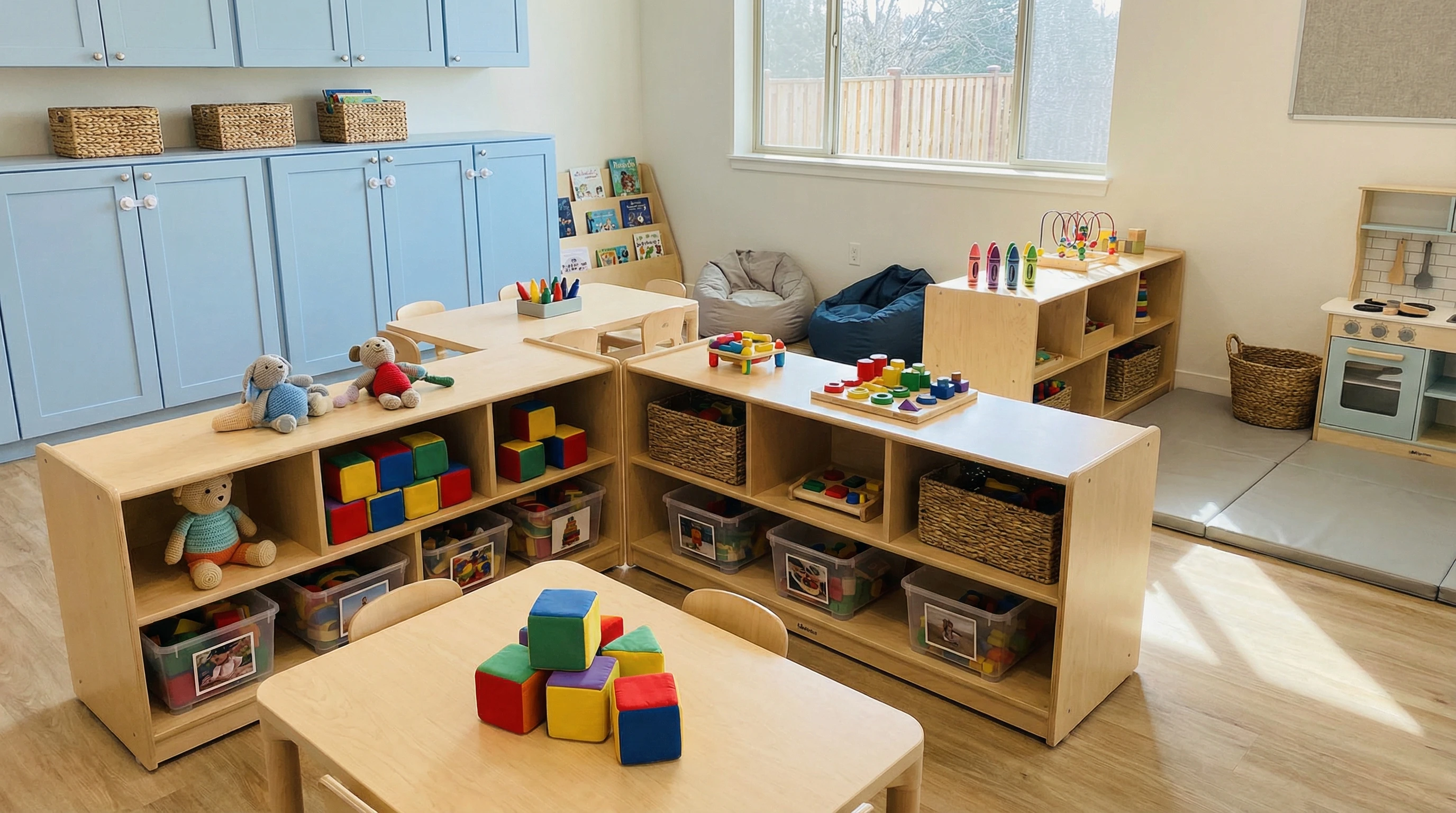
 Creating a safe child care environment means more than just keeping sharp objects out of reach or locking the front door. I think of it as setting up a space where kids can learn, play, and explore without unnecessary risks. Whether you’re a parent, babysitter, or child care provider, knowing what really helps to keep kids safe gives everyone a little peace of mind.
Accidents can happen in any environment, but with a few practical steps and some smart choices, the chances of injury or harm drop significantly. From home daycares to preschools, the basics are the same: clear hazards, supervise closely, and plan ahead for emergencies. This guide covers the most practical and doable strategies for making child care spaces as safe as possible, so you can focus on helping kids grow and thrive.
🔎 Affiliate Disclosure
This article contains affiliate links. If you purchase through these links, we may earn a small commission at no additional cost to you. We only recommend educational resources and tools that support early childhood development and learning.
Start with a Thorough Safety Audit
Safety audits are my go-to move whenever setting up or reviewing a child care spot. I grab a checklist and walk through every area where a child might go. This helps me spot things I might miss in the bustle of a normal day. Giving each area a careful once-over before kids arrive always brings peace of mind—and sometimes I even ask a friend or coworker to walk through with me, since fresh eyes spot what I might overlook.
What to Look For:
- Corners and edges on furniture that could hurt a child who falls
- Tripping hazards, like loose rugs or cluttered walkways
- Cleanliness, since dirty surfaces or poorly cleaned bathrooms can spread illness
- Cords, wires, or small objects that could cause strangulation or choking
- Window and door security to keep children from wandering off
Helpful Safety Tool
👉 Check Price on Amazon
These kits typically include:
- outlet covers
- cabinet locks
- corner protectors
- door stoppers
They make it much easier to secure a child care space quickly.
I like using printable checklists from the CDC or Safe Kids Worldwide. Bringing someone else in—even if it’s only occasionally—can reveal a wobbly chair, a missing outlet cover, or another issue I may have missed. Review audits regularly, especially any time you rearrange furniture or change up how the space is used.
Secure Common Hazards
After a thorough audit, I jump right into fixing anything risky. Some hazards are easy to overlook at first, but making these changes pays off in added safety for little ones.
Choking and Poisoning Risks
- Store medications, cleaning supplies, and toxic products in high cabinets with safety latches
- Keep small objects, like buttons, coins, or beads, away from kids under three
- Label pantry containers and lock up anything that isn’t food safe
Recommended Safety Product
These locks prevent children from opening cabinets containing cleaning supplies or medicines.
Burns and Electrical Safety
- Plug covers for unused electrical outlets
- Store hot drinks and appliances where kids can’t reach
- Install stove guards if kids spend time in kitchen areas
Safety Recommendation
👉 Outlet Plug Covers for Child Safety
These simple covers help prevent electrical accidents.
Falls and Furniture Safety
- Anchor tall furniture to walls to keep it from tipping
- Non-slip mats under rugs or in baths
- Gates at top and bottom of stairs for younger children
Popular Safety Product
Safety gates are essential in homes with stairs or restricted areas.
For an added safety boost, I double-check the Consumer Product Safety Commission website for product recalls—sometimes a piece of furniture or a crib that seems perfectly fine is actually unsafe.
Design Safe Play & Learning Spaces
A child care area that’s both safe and fun helps kids feel confident enough to explore, test their boundaries, and build social skills. Setting it up thoughtfully is a big step in making supervision easier and more effective.
Ideas for Setting Up:
- Open spaces for active play, with soft mats or carpeting to lessen bumps
- Well-separated quiet areas for reading or napping, away from high-traffic zones
- Bookshelves and toy bins placed at convenient heights for children
- Uncluttered spaces with good visibility for adults
I rotate toys and learning materials to match the children’s ages, always making sure nothing is broken or worn down in a way that could hurt someone. Trimming back on clutter keeps the floor safer and focuses play—a win all around! Plus, this gives me a chance to teach children about tidying up and taking care of their things.
Keep Emergency Plans Ready and Simple
No one wants to imagine an emergency, but prepping for one matters. Having a plan—and making sure every helper knows it—can make a huge difference if something ever goes wrong. Regular practice means we’re not panicking if the fire alarm goes off or a child is stung by a bee.
What to Include:
- Emergency phone numbers for poison control, fire, police, and parents—post them where everyone can see
- First aid kits checked and restocked regularly, stored where grown-ups can grab them fast
- Evacuation routes drawn or written out and shared with every adult on site; run fire and evacuation drills at least every few months
- Food allergy lists and procedures for snacks and meals in an easy-to-find spot
Anyone who helps care for the kids knows how to use an EpiPen, do child CPR, and reach emergency services. I remind parents to update allergy and medication lists, and I take extra care with snack prep, scanning labels every time. For field trips or time outside the usual space, I put together a smaller emergency kit and double-check all adults are on the same page before heading out.
Supervise With Intention
Active supervision might be the most vital part of safeguarding a child care environment. The trick is watching closely without hovering, giving kids space to learn from small mistakes while stepping in before bigger trouble occurs.
How I Practice Active Supervision:
- Count heads regularly, particularly when moving between indoors and outdoors or switching rooms
- Join play for a few minutes to get a quick read on the energy and potential concerns
- Arrange rooms so I can watch all children easily, which may mean moving furniture or removing barriers
- Cut out distractions, keeping my phone away unless it’s needed for emergencies
I always make sure that helpers understand active supervision too. If I need to step out—say, to the bathroom or answer the door—I call for backup so kids are never left unsupervised, even just for a quick errand. Clear routines help make handoffs between adults as smooth as possible.
Foster Safe Behaviors Through Communication
Getting kids on board with safety works best when it’s part of regular routines and conversations. I use simple words and actions they can remember. Consistency matters more than covering every possible rule.
Safety Lessons That Stick:
- Keep rules straightforward: “feet on the floor,” “hands to yourself,” and so on
- Explain why, so it makes sense, but avoid scaring little ones
- Work safety into songs, quick games, or daily routines; “clean-up songs” or group “hazard hunts” make learning safety habits fun and memorable
Praise for safe choices encourages ongoing good habits. If a child breaks a rule, gentle reminders work far better than scolding. For younger children or non-readers, pictures on doors, floors, or shelves help everyone remember what’s expected—even if they haven’t mastered reading yet.
Common Questions & Troubleshooting
What if my space is small?
Use multipurpose furniture and smart storage to maximize limited square footage. Keep crowded areas free of obstacles, and set extra-clear rules for busy zones like entryways. Quality supervision matters even more in tight quarters—stick close and keep your attention focused.
How do I keep up with changing safety standards?
- Follow organizations like the American Academy of Pediatrics (AAP) and Safe Kids Worldwide for the newest news and tips
- Sign up for recall alerts directly from cpsc.gov
- Join local child care groups or online communities to swap advice and find out about new best practices
What about outdoor spaces?
Outdoor play brings new safety challenges. Check fences for gaps, keep climbing structures secure and sized right for your age group, and make sure there are shaded areas for sunny days. I keep sandboxes covered when not in use and scan play zones for hazards like sharp sticks or litter each morning. Sunblock, hats, and hydration are key in summer!
Simple Steps to Make Your Space Safer Today
Each change—big or small—helps kids feel safe and cared for. When preparing a new space or reviewing your current setup, try these action steps.
Your Action Plan:
- Grab a printable safety checklist and walk through your space today
- Fix, lock up, or remove the three most obvious hazards you spot—taking action right away is better than planning to get to it “soon”
- Share your emergency plan with every adult who helps care for your children, covering allergies, contacts, and evacuation plans
Wrapping up, a safe environment isn’t about eliminating every scrape, but about making a space where kids can learn, play, and grow with less risk and more confidence. By making regular checks, communicating openly, and practicing hands-on supervision, you’ll build a child care space that supports children’s safety as well as their happiness and curiosity.