
 Building early literacy skills at home gives kids a great head start for school and helps them become confident readers. From exploring books together to singing silly songs, there are plenty of practical ways to help young kids fall in love with words and stories. Early literacy isn’t about memorizing the alphabet or reading by age four. It’s about creating a fun, language-rich environment that makes learning feel inviting and natural.
If you’re wondering how to boost early literacy skills, you’re in the right spot. I’ve gathered my favorite strategies and tips that really make a difference. Whether you’re a parent, grandparent, or caregiver, you’ll stumble upon easy ideas you can put to work right away. Focusing on language learning at home also helps kids build confidence in social settings and connects reading to happy family routines.
🔎 Affiliate Disclosure
This article contains affiliate links. If you purchase through these links, we may earn a small commission at no additional cost to you. We only recommend educational resources and tools that support early childhood development and learning.
Start With a Language Rich Environment
Kids learn so much just by listening, seeing, and talking. The way you fill your home with words makes a big impact. Surrounding children with language while playing, during quiet moments, and even when running errands turns every ordinary day into a learning adventure.
👉 Related Reading : Activities to Build Vocabulary in Preschoolers
Easy Ways to Add More Language at Home
- Read aloud every day, even for just five minutes. Let your child pick the book and snuggle up together.
- Talk through everyday activities out loud, like narrating your cooking or getting dressed. Describe what you see and do so your child hears a mix of everyday vocabulary.
- Point out and name things during walks or shopping trips. This helps kids connect spoken words to what’s around them.
- Share rhymes and silly sounds; young kids love playful language and it boosts memory and attention.
The more words kids hear, the larger their vocabulary grows. Plus, hearing language in context helps them figure out how words fit together. Parents can also sing softly while walking or label objects with sticky notes to add an extra boost.
Pick Books That Spark Interest

The right book can capture a kid’s imagination. If you’re not sure where to start, check out simple picture books, interactive flap books, or stories with rhythm and rhyme. When a child gets to pick their own book, they’re usually more interested and likely to join in. You can also pick books with favorite characters or themes from your child’s everyday life.
What to Look For in Early Books:
- Bright, inviting pictures that help tell the story even before reading the words.
- Repetitive or rhyming text that encourages participation.
- Stories about things your child loves (like animals, vehicles, or family routines).
- Books that you enjoy reading aloud too, as your interest shines through.
My Go To Recommendation:
Board books or fabric books are ideal for toddlers who love to explore with their hands and mouths. For preschoolers, you can add in more story driven options or even simple factual books about their favorite animals or places.
Recommended Early Literacy Books
1️⃣ Brown Bear, Brown Bear
Why parents love it:
- Repetition builds memory
- Simple language
- Color recognition
2️⃣ Chicka Chicka Boom Boom
👉 View This Alphabet Favorite Here
Great for:
- Letter awareness
- Rhythm and rhyme
- Preschool readiness
3️⃣ Dear Zoo
Perfect for toddlers who enjoy interactive reading.
Make Reading Fun and Interactive
Kids learn best when they get to join in. Reading together isn’t just about finishing the story. It’s about those little moments: pointing to pictures, asking questions, and making connections to real life. These interactive touches help develop comprehension skills and make storytime a highlight of the day.
Ways to Make Storytime More Engaging:
- Ask openended questions: “What do you think happens next?” or “How do you think she feels?”
- Encourage your child to repeat fun phrases or sound effects found in the book.
- Point to words as you read them to help connect what they hear with what they see on the page.
- Use different voices or sounds for characters; let yourself be funny or dramatic!
Don’t worry if you don’t finish every book. Sometimes just talking about a single page leads to a great learning moment. If your child wants to tell their own version of the story, go with it. Encourage imagination and creativity, which are both tied closely to strong early reading skills.
Build Pre Reading Skills Through Play
Playtime is packed with early literacy opportunities. Kids develop important prereading skills like recognizing shapes, noticing patterns, and handling books through everyday activities. Even simple games or pretend play provide valuable practice for early readers.
Simple Activities That Build Skills:
- Play with alphabet blocks or magnetic letters to make familiar words or your child’s name.
- Scribble, draw, or “write” with crayons (even if it’s just pretend writing); this grows hand strength and creativity.
- Match objects to pictures or letters in books to encourage connections between words and visuals.
- Put together simple picture puzzles to boost visual memory and problem solving.
Why It Works:
Play makes learning feel natural and low-pressure. Kids don’t even realize they’re practicing early reading habits, like turning pages, holding books, or recognizing favorite words.Best Storybooks for Emotional Development in Toddlers Pretend play with stuffed animals or puppets can also bring stories to life and set the stage for imaginative thinking.
Sing, Rhyme, and Play with Sounds
Phonological awareness (noticing and playing with sounds) is really important for learning to read. Singing songs, chanting rhymes, and talking about words that sound alike build this skill naturally. Daily exposure to songs and rhymes prepares the brain for sounding out words later on.
Fun Examples:
- Sing nursery rhymes; “Twinkle Twinkle” and “The Wheels on the Bus” never get old!
- Play clapping games to the beat of words. Try coming up with silly verses together.
- Say words that rhyme and make up goofy new ones for laughs.
- Play “I spy with my little eye, something that starts with…” games whenever you’re bored or waiting in line.
All this sound play helps kids start to notice the building blocks of spoken language, which are the foundation for later reading. Listening closely and coming up with rhymes also grow memory and attention skills. Fun Music Activities for Preschool Learning
Use Everyday Routines for Learning
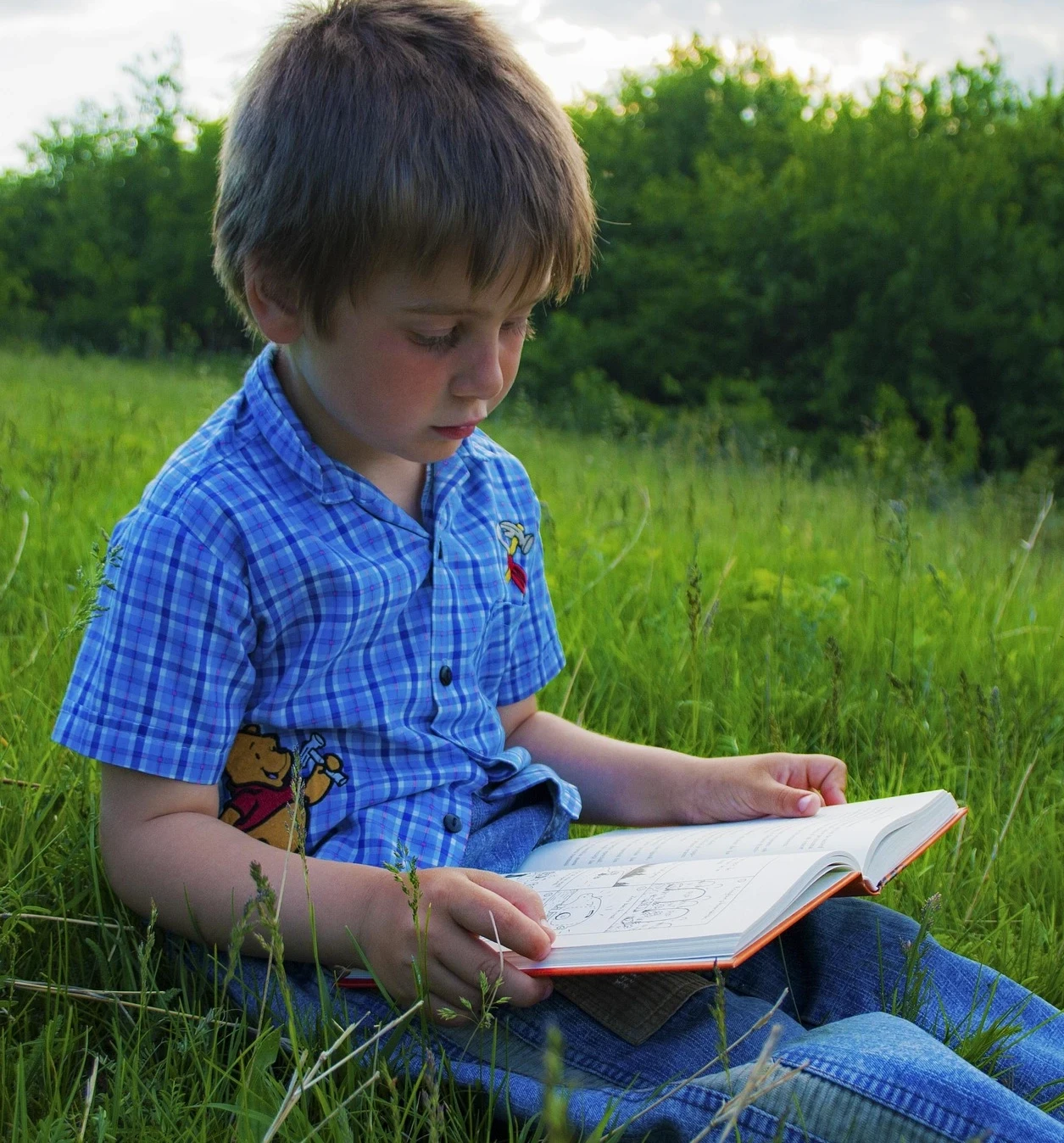
Routine times are packed with short chances to sneak in literacy activities. Look for moments throughout your daily schedule where you can read, chat, or notice print in the world together.
Smart Ways to Sneak In Literacy:
- Read labels at the grocery store and talk about foods. Let your child guess what’s in cans and boxes.
- Check out street signs together and spot familiar letters or numbers.
- Keep a small stack of books by the breakfast table for some quick morning reading, even while munching on cereal.
- Let your child help “read” a recipe or instructions, encouraging them to follow along as you cook.
These small moments add up and show kids that reading and writing are part of real life, not just things you do at school or during special times. Laundry days, car rides, or walks to the park are opportunities to turn ordinary events into meaningful literacy practice.
Encourage Scribbling, Drawing, and Writing
Scribbling is actually the first step toward writing. When kids doodle on paper, they’re learning how to hold tools, make marks, and express ideas. Their “writing” teaches that marks and squiggles have meaning and that writing is something they can do at any age.
Super Useful Tips for Early Writing:
- Keep crayons, markers, and any kind of scrap paper close at hand. Let them scribble whenever inspiration strikes.
- Show off your child’s drawings and early “writing” on the fridge. This lets them know their efforts are valued.
- Write your child’s name for them to copy or trace. Let them try to write it too—praise any attempt, even if it’s just the first letter.
- Encourage them to decorate cards for family and friends with their marks, pictures, or stickers.
Give praise for all attempts at writing. These are the building blocks they’ll use for letters and words later on. The process is more important than a perfect finished product.
Be a Reading Role Model
Kids pay close attention to what adults do. If your child sees you enjoying books, magazines, or even recipes, they’re more likely to be curious about reading on their own. Modeling positive reading behaviors creates an atmosphere where learning feels natural and enjoyable.
How to Show Reading Matters:
- Talk about your favorite childhood stories. Share why you liked certain books as a kid.
- Let kids see you reading for fun—not just because you have to for work.
- Keep books in the car, backpack, and every room of the house. Make books more accessible than screens.
- Visit the library together. It’s a low-pressure way to try out new titles and spark curiosity.
Showing enthusiasm for reading helps build a lifelong love for books and learning. When your child sees family members valuing stories, they naturally want to set free their own curiosity too.
Common Questions & Troubleshooting
What if my child isn’t interested in books yet?
Try different types—lift-the-flap, sound books, or books with textures. Sometimes it just takes finding the right one for their temperament or stage. You can also make up silly stories using their toys or look at photo albums together for a new kind of “reading.”
How can I help if my child mixes up letters or words?
- Focus on having fun with language instead of correcting every mistake. Reassure them that making errors is a part of learning.
- Give plenty of repetition with songs, games, and much-loved books. Familiarity builds confidence and memory.
- Check with your child’s teacher or a reading specialist if you’re worried, but most mixing up is totally normal early on.
Is screen time OK for literacy?
Educational apps and read-aloud videos can give a boost to early skills, but hands-on play and real conversations are super important too. Try to balance screen time with real life reading and chatting, using digital formats as an occasional supplement rather than the main event.
Next Steps for Growing Early Literacy Skills
Every little bit of reading and talking helps. Small efforts really add up over time. Trust your instincts, follow your child’s interests, and make reading together a regular, upbeat part of your day. Remember, there’s no single perfect approach—what matters is that reading feels like a special, shared adventure.
Start building your home library today.
👉 Explore Our Recommended Preschool Books Here
Small reading habits today create lifelong readers tomorrow.
Your Action Plan:
- Set aside five minutes today to read or chat with your child about a story, rhyme, or song.
- Put one new book in your everyday routine—a bedtime story or a breakfast book stack.
- Notice and celebrate any scribbles, drawings, or storytelling your child tries. Reward their efforts with high-fives and smiles.
What’s your favorite book to share with a kid? I’d love to hear about your early literacy adventures. Every shared story, giggle, or rhyme is a building block in your child’s lifelong learning. Keep up the great work—you’re making a lasting difference in their reading future!