
 The Montessori method has gained a lot of attention for how it helps kids build independence, confidence, and a real love of learning. But hearing about Montessori theory is one thing. Seeing it in action is a whole other experience. Centers known for topnotch Montessori practices often have some clever ways to put these ideas into daily classroom life.
If you’re a parent, educator, or just curious about what makes these schools tick, it’s helpful to look at what actually happens inside great Montessori classrooms. Here’s a close-up look at the principles that get results, along with some real-world lessons from top Montessori centers.
1. Prepared Environment: The Backbone of Montessori
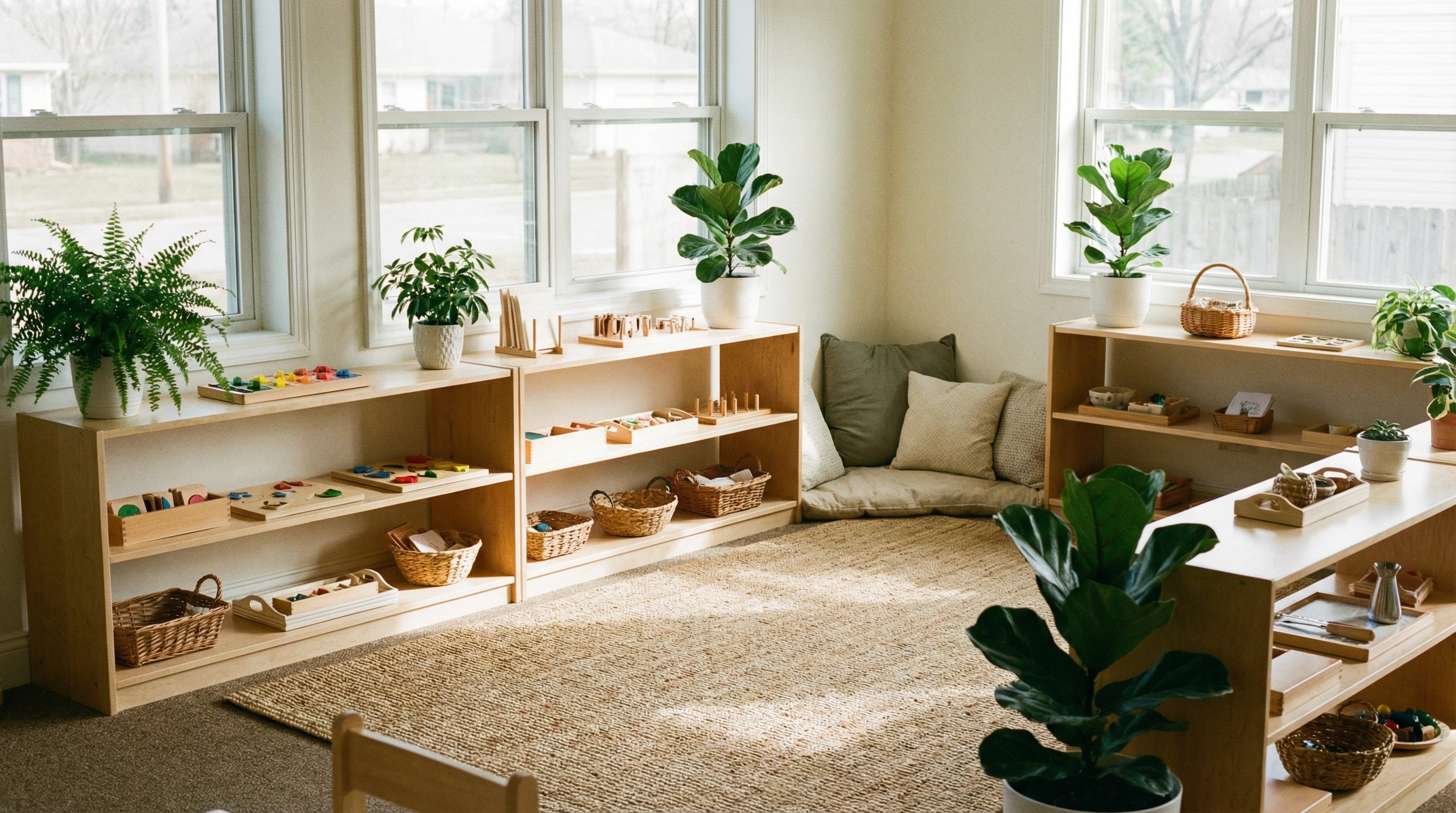
Every quality Montessori classroom is designed with huge attention to detail. The idea behind the prepared environment is pretty simple: set things up so kids want to explore, experiment, and solve problems on their own. Furniture is kidsized, shelves are low and reachable, and everything is organized and labeled so children know where to find what they need.
I’ve seen classrooms where wood trays hold all the parts of a math or practical life activity, and baskets are used for sorting. These small touches actually make a big difference for children figuring things out for themselves. If you walk into a top center, you’ll notice the room feels calm, inviting, and seriously organized.
What You’ll Find:
- Wide, open floor for movement and rug work.
- Accessible shelves with thoughtfully selected materials.
- Natural colors and materials, like plants, wood, soft light.
Allowing kids to take responsibility for their environment (like putting things away, watering plants, or sweeping) is part of how Montessori builds independence.
2. Self-Directed Learning: Choice With Guidance
Montessori kids get to choose what they work on; they’re not left to flounder. Teachers (called “guides” in Montessori) are trained to watch carefully, noticing what interests each child and offering just enough support to keep them moving forward. This balance of freedom and gentle guidance shows up in the most successful centers.
One lesson I saw at an accredited Montessori center involved several kids picking different math activities. One was counting beads, another tracing numbers in sand, and a third solving puzzles. The teacher moved between them, offering a quick hint or asking a question when needed, but never taking over. The result? Kids were focused because they chose the work themselves, and they were way more engaged than if everyone was doing the same worksheet.
Key Points:
- Children pick their activities from a range of appropriate choices.
- Guides step in only when needed, supporting without directing.
- Individual pacing means some children move quickly while others revisit work as much as needed.
3. Hands-On Materials: Learning by Doing
Montessori materials are pretty famous for their clever design. Things like bead chains, pink towers, or sandpaper letters are easy for kids to use, and each one teaches a specific skill. The point is to help children learn concepts by manipulating real objects, not just by listening or memorizing.
One practice I’ve picked up from observing respected Montessori centers is the importance of letting children repeat activities as much as they want. Sometimes they repeat the same buttoning frame or pouring activity a dozen times, building both skill and confidence. The materials are always complete and in good shape, making them more inviting and effective.

Why This Matters:
- Handson materials promote deep understanding instead of just surface knowledge.
- They encourage independence; children can check their own work using built-in “control of error” (like puzzle pieces that only fit one way).
Letting kids get into materials encourages curiosity in all subject areas, from math to language, and even science discovery. The goal is to make every lesson something kids can actually touch and test out, so they can really grasp new ideas.
4. Mixed Age Classrooms: Learning From Each Other
One thing you’ll notice at every great Montessori center is the way kids of different ages share the same space. This mix, usually three years apart, lets younger children learn by watching older ones, while older kids get to help and teach—which actually boosts their own skills and confidence.
When I toured a toprated classroom, I saw a fiveyearold showing a threeyearold how to use a pouring work. The pride on the older child’s face and the total focus of the younger one was way better than any lecture. Teachers at these centers encourage cooperation and peer support instead of competition.
Benefits:
- Older kids reinforce knowledge by teaching younger classmates.
- Younger kids are inspired and guided by older peers.
- Classrooms feel more like communities, with kids looking out for one another.
This community spirit helps children grow into supportive, confident team players. Everyone gets the chance to be a learner and a helper, building connection and a sense of belonging.
5. Practical Life: Building Real World Skills
Montessori isn’t just about math or reading. It’s about helping kids become capable, confident people. Practical life activities are woven into every day at top centers. These can be as simple as pouring water, slicing bananas, buttoning shirts, or sweeping up spills.
I’ve watched kids in a Montessori class genuinely excited to set the snack table, cut fruit, or mop a spill. The pride they show from doing “real” work is huge, and it helps them develop coordination, focus, and independence that carries into everything else.
Examples:
- Caring for plants and animals
- Washing tables and dishes
- Folding towels and organizing materials
Practical life work builds a foundation not just for academic learning, but for self confidence and the kind of responsibility kids will use throughout life.
6. Respectful Communication: Supporting Confidence
Traditional classrooms often rely on managing behavior by rewards and punishments, but Montessori teachers use a different approach. At centers that really embrace this method, guides speak softly, crouch to the child’s level, and use positive language. Kids are encouraged to express themselves, solve conflicts peacefully, and respect each other’s space and work.
I’ve seen teachers quietly model problem solving. For example, they might ask, “How can we both use this material?” instead of stepping in with a rule or consequence. This approach builds skills that go beyond academics, like empathy, negotiation, and confidence using their own voices.
7. Observation: Teachers as Guides and Learners
Something that stands out at highquality Montessori centers is how much time teachers spend quietly observing. They’re paying close attention to what engages each child, where they’re struggling, or what they’re ready for next. These observations help shape everything from which lessons get introduced to how the environment is organized.
Instead of leading the class from the front, Montessori guides are more likely to be seen quietly watching, taking notes, and stepping in only when a child really needs help or is ready for a new challenge. This careful watching helps the classroom stay dynamic, flexible, and always focused on the needs of the children.
Expanding Montessori at Home: Tips and Practical Steps
Many parents are inspired by what they see in Montessori centers and want to bring those lessons home. Here are some ways you can make your home more Montessori-friendly:
- Use child-sized furniture and place daily essentials within easy reach.
- Encourage your child to take part in daily chores, like sorting laundry or setting the table.
- Display toys and books on low, open shelves so children can choose and return items themselves.
- Practice using real tools and utensils, such as small pitchers for pouring or kid-safe knives for food prep.
Small changes like these can help boost independence, responsibility, and a sense of ownership in your child, reinforcing what they experience in a Montessori classroom setting.
Final Thoughts
The Montessori approach isn’t just a teaching philosophy. It’s a whole way of seeing children as capable, independent learners. Top centers make this philosophy real with rooms and routines designed for kidsized independence, teachers who support without taking over, and a strong respect for choice and hands-on learning. Whether you’re thinking about enrolling your child, or just want ideas for your home or classroom, these real-world practices are worth checking out. As you check out Montessori principles in action, you’ll see kids not just learning facts, but building the skills and confidence they’ll use for a lifetime.