
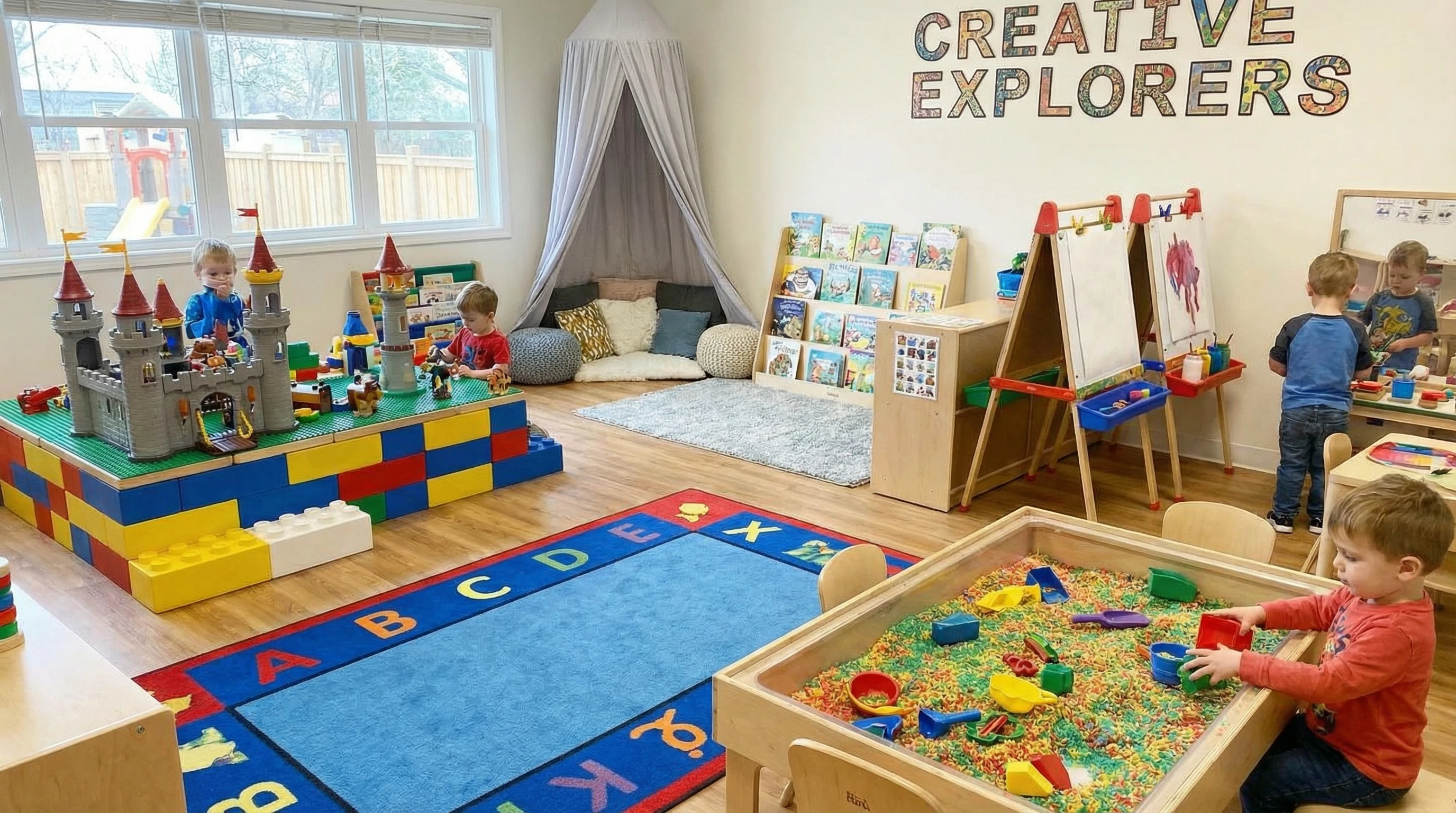
 The Goddard School is known for its approach to early childhood education, and its curriculum goes far beyond the basics you might expect in a typical preschool program. I’ve seen firsthand how Goddard’s methods help young learners build confidence, problem solving skills, and a real love of learning. There’s a kind of spark in these classrooms that’s hard to miss, and it comes directly from how the curriculum is designed and delivered.
Many families are on the lookout for early childhood programs that do more than just keep kids busy. If you want your child to be excited about school, ready for kindergarten, and set up with social skills that last a lifetime, it’s worth checking out what makes The Goddard School different. Here’s a chance to get into some of the curriculum features, why they work, and how they help little brains and hearts grow stronger day by day.
Core Principles Behind The Goddard School Curriculum
One thing that stands out about The Goddard School is its clear set of core principles. It’s not just about memorizing letters or numbers, but about developing the whole child.
- Play Based Learning. Kids learn best when they’re having fun, so play is woven through every part of the day. This isn’t just about letting kids roam free, though. Teachers use play intentionally to teach specific skills, like building with blocks to work on math or creating stories with puppets to build language.
- STEAM Focus (Science, Technology, Engineering, Arts, Math). Goddard’s curriculum introduces all the major STEAM subjects in ways little kids can easily understand and enjoy. I’ve seen classrooms where kids “experiment” with water tables, make art from recycled materials, and use age appropriate tech tools to explore the world around them.
- Social and Emotional Growth. Learning how to be a good friend, handle emotions, and work in a group is just as important as academic skills. Goddard weaves activities and daily routines that help kids talk about their feelings, solve problems, and build empathy for others.
Classroom Structure and Daily Schedules That Encourage Exploration
The classroom layout and daily routines at The Goddard School are created to give kids plenty of options to explore, create, and connect. This flexible structure really helps support every child’s individual learning style and pace.
Learning Centers
- Classrooms offer different zones or learning centers, like dramatic play, science and nature tables, sensory stations, and quiet corners filled with books. Kids rotate through these spaces during the day, helping them stumble upon new interests and build focus.
Balance of Structured and Open Ended Activities
- Each day, kids participate in a mix of teacher guided lessons and open ended play. The mix between the two lets kids develop patience, follow directions, and make their own choices in a supportive atmosphere.
- For example, a group story time might be followed by an art activity where each child chooses their own materials and approach. This teaches independence alongside teamwork.
Project Based Learning and Inquiry
One of the coolest parts of Goddard’s curriculum is the use of project based learning. Instead of switching rapidly from topic to topic, teachers get into subjects that really hook kids’ curiosity.
Here’s what this looks like:
- Teachers notice what kids are interested in, like insects or outer space, and build mini projects around these themes. Kids might spend a week investigating bugs, drawing them, making insect houses, and even going on a “hunt” outside.
- This way, kids get to practice research skills, asking questions, and becoming problem solvers. Even at preschool age, projects help kids think like scientists or artists, tracking down answers through hands on exploration.
Integrating STEAM: Early Exposure Makes a Difference
One area that sets The Goddard School apart is its focus on STEAM, including engineering and technology basics for young children. This is done in an age appropriate way that lets everyone get involved, no matter their background or starting skills.
Examples of STEAM in Action
- Using counting games and puzzles to build early math smarts
- Planting seeds and charting growth in science journals to step up observation skills
- Building simple machines with blocks and ramps to spark engineering ideas
- Exploring colors, sounds, and materials in art sessions for creativity and sensory learning
- Playing on tablets or computers for interactive storytelling or learning games
Giving kids a taste of all these subjects early helps give a boost to their confidence and shows that learning can be explored in many ways, not just one.
Language, Literacy, and Communication Skills
Developing strong language skills is a huge focus in the Goddard classroom. The curriculum mixes in several strategies to make reading and communication part of everyday fun rather than a pressured task.
- Storytelling and Group Reading. Daily story times with picture books, folk tales, and lively discussions about characters and emotions.
- Creative Arts. Puppets, music, and dramatic play encourage children to use new words, build listening skills, and get comfortable sharing ideas.
- Print Rich Environments. Every classroom is filled with labels, signs, and children’s writing, which supports early reading and letter recognition.
Personalized Learning and Family Involvement
Every child learns at their own pace, and The Goddard School shines by creating individual learning plans. Teachers observe students, jot down notes, and switch up activities to meet different needs, whether a child needs extra practice with speech or is ready to tackle more challenging puzzles. Parents get regular updates, photos, and stories about their child’s day, which makes it easy to stay involved and see real progress.
- Learning Journals. Teachers keep tabs on milestones and growth in a portfolio, sharing progress with families during regular meetings.
- Open Communication. Families are always encouraged to ask questions, give feedback, and even share skills or traditions from home in the classroom setting.
Health, Safety, and Social Development
The Goddard School puts a major focus on safety, cleanliness, and healthy habits. Safe, well organized environments help kids feel confident trying new things. Social growth is also a big part of the day here, with planned activities for sharing, cooperation, and learning about taking turns.
- Daily routines teach the importance of hand washing, trying new foods, and caring for classroom pets or plants.
- Circle time and group games focus on cooperation, conflict solving, and self regulation in real life situations, as teachers guide kids to communicate with words instead of acting out when they feel upset.
Real Results and Positive Outcomes
I’ve talked to many families, and have seen plenty of studies, showing that Goddard kids head into kindergarten with strong academic skills, better self control, and top notch problem solving abilities. More than just preparing kids for schoolwork, the curriculum helps raise kids who are curious, kind, and confident. That foundation can shape success not just in elementary school, but for years down the road.
Families looking for an all in one, innovative early learning environment often find a great fit with Goddard’s curriculum. It’s a place where kids can safely try new things, ask questions, and learn by doing, all with support from experienced teachers and engaged families. This kind of early start makes kids excited for each new day of learning, and sets the stage for a lifetime love of discovery. The Goddard School pulls back the curtain on what top notch early childhood care can look like, making it a standout choice for many families.