
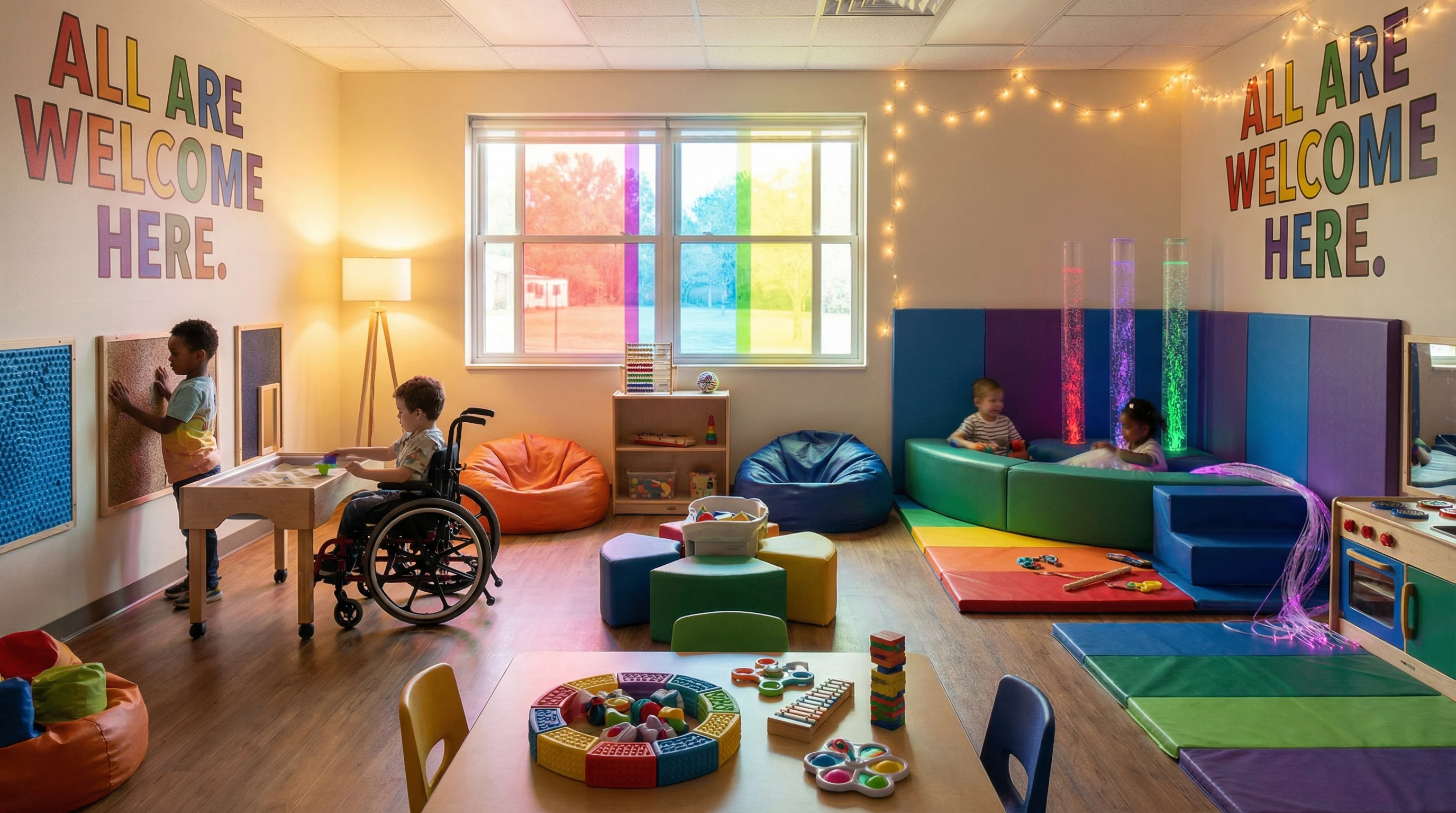
 Finding a daycare for a child with special needs can feel overwhelming at first. Every parent wants their child to be safe, supported, and genuinely happy, not just cared for, but understood. Daycares are more than just babysitting services; they’re places where children learn, build confidence, and connect with others. For children with special needs, the right environment can make a huge difference in their early development and in how much they enjoy each day.
I’ve spent a good amount of time researching and experiencing daycares from both a parent and educator’s perspective. I’ve learned that while some centers are definitely more prepared than others, there are clear steps you can take to find a place that fits your child’s unique personality and challenges.
This guide covers the practical steps, questions to ask, and small details that really matter when you’re deciding on a daycare for your special needs child. My hope is this helps you feel less stressed and more confident as you make this important decision.
Understanding Your Child’s Needs First
Before you start searching for daycare centers, it’s really important to figure out what your child needs most from this experience. Every child is different, and what works for one may not work for another. Understanding your child’s personality and sensitivities can shape your search and keep it more focused. For example, some kids do best with lots of structure while others blossom in a flexible setting. Identifying these preferences early informs your questions for each facility and helps eliminate options that simply aren’t a good fit.
Key Questions to Ask Yourself
- What are my child’s specific strengths and challenges?
- Are there sensory needs (e.g., sensitivity to noise or light)?
- Does my child have therapies or routines that need to continue at daycare?
- What sort of environment does my child thrive in, such as busy, quiet, very structured, or more flexible?
- Are there certain triggers or stressors to avoid?
Writing down your answers helps clarify what to focus on as you compare daycare options. It’s a good idea to check in with your child’s therapists or specialists at this stage for any details or insights you might not have considered.
What to Look For in a Daycare Facility
Certain daycare features can make daily life so much easier for both you and your child. Here’s what to look out for when you’re touring places or checking websites. Some facilities are designed from the ground up to suit kids with diverse needs, while others might be willing to make tweaks to help your child succeed. Paying attention to the little things—like lighting, noise level, and overall vibe—can give you important clues.
Physical Accessibility and Safety
- Wide doors and ramps for mobility aids
- Clean, well-lit, and safe play spaces
- Quiet or sensoryfriendly areas where kids can take a break if things get overwhelming
- Clear routines posted for structure
Staff Experience and Attitude
- Staff with experience or training in working with children with disabilities, autism, or learning differences
- Positive, welcoming attitude toward diverse needs
- A low child to staff ratio so kids get more individual attention
Flexible and Individualized Curriculum
- Activities adapted for different abilities
- Options for small group or one on one time
- Support for therapies or routines already in place (occupational, speech, etc.)
Additionally, find out if there are regular opportunities for outdoor play or movement sessions. For many special needs kids, these breaks are just as vital as academic or crafts time.
Questions to Ask During a Daycare Visit
Touring a daycare in person gives you a feel for the atmosphere that’s impossible to judge online. It’s also a great chance to get really specific with your questions. Bringing up your child’s needs right away helps you see how responsive and understanding the staff truly are. You can bring a short list of your child’s favorite activities, as well as things that might set them off, to get the conversation started.
Sample Questions
- How do you handle challenging behaviors or meltdowns?
- Can you share examples of accommodations made for other children?
- Are teachers open to parent suggestions or outside therapists visiting?
- What safety protocols are in place for kids who may wander or bolt?
- How is communication handled with parents about daily progress or concerns?
- Do you have staff who know CPR or first aid for seizures or allergies?
Jotting down questions ahead of time and taking notes during the visit is super helpful. If you’re not sure how a policy might affect your child, ask for a specific example. If you feel comfortable, request to observe a classroom or playtime to see how staff interact with kids in real time.
Building a Smooth Transition
Switching to a new daycare, or starting one for the first time, can be a tough change, especially for kids who rely on routine. Making things smoother takes a little extra planning, but it’s doable. Even simple steps can reassure your child and create a positive first impression.
Transition Tips That Work
- Request short visits ahead of time: These trial stays give your child a chance to get used to the new place at their own pace.
- Share comfort items: A favorite toy, weighted vest, or sensory item can make a new setting feel more familiar.
- Meet the staff together: Introducing your child to caregivers with you present helps build trust and security.
- Keep routines consistent: Bring written schedules or cue cards from home so staff can match your child’s usual routine as much as possible.
- Check in regularly: Daily updates, even texting a quick photo or message, can reassure you and help staff adjust things as needed.
Flexibility and good communication with teachers go a long way here. You might want to make arrangements for more short visits if your child has significant anxieties. Prepare your child by talking positively about new friends or favorite toys—anything that will help them view the new daycare as a welcoming place.
Practical Tips for Parents
Finding a daycare that fits your child isn’t always fast, but there are smart ways to narrow your search and make the process simpler. Parents who’ve gone through this search before often find success by sticking to a schedule and tracking their impressions after each tour. Consider keeping a notebook or spreadsheet to organize your thoughts and compare centers with your needs list easily.
- Ask for referrals from your child’s therapists or doctors; they often know centers with a great track record for special needs kids.
- Read online reviews, but weigh them alongside in-person experiences. If you can, talk to other parents whose kids have similar needs.
- Visit more than one center, even if the first one feels “okay.” There’s a big difference between “okay” and “welcoming.”
- Trust your instincts, but combine them with the info you gather. If you feel uneasy at all, it’s worth exploring more options.
It also pays to keep an eye out for programs that regularly update parents, offer family events, or have extra support staff on hand. These touches can create a stronger connection and smoother feedback if issues come up.
Red Flags to Watch For
- Staff who seem uncomfortable or dismissive about making changes for your child
- Unclear policies about discipline and communication
- Lack of safety features or signs of poor cleanliness
- No experience working with special needs kids, or vague answers to your questions
Common Questions & Troubleshooting
Is inclusion in a typical daycare a good fit for every special needs child?
Some children really benefit from being in a mainstream group, while others do much better with more specialized support. It depends on your child’s needs, sensory profile, and communication skills. The goal is an environment where your child feels safe, supported, and able to learn at their own pace. You may want to visit both mainstream and specialized centers to compare the settings firsthand.
How can I help daycare staff understand my child?
- Write up a simple one page “about me” for your child, highlighting likes, dislikes, comfort items, and calming strategies.
- Offer to walk staff through therapies or routines you use at home.
- Check in during the first few weeks to see what’s working and what isn’t.
What if the daycare doesn’t work out?
Sometimes the fit just isn’t right, even after careful selection. If things aren’t improving after you’ve communicated your concerns and given it some time, it’s okay to look for a better option. Your child’s happiness and sense of security are what matter most. Don’t feel discouraged; finding a supportive environment is worth the effort and time spent.
Next Steps for Finding the Right Daycare
Taking the leap to find a daycare for your special needs child is a big step, but you don’t have to figure it all out at once. Here’s a simple plan I’ve seen work well for families. Gather your support system and, if possible, include your child’s therapists in at least part of the process. Their professional perspective can shine a light on important needs and help you prioritize options logically.
Your Action Plan:
- List your child’s specific needs and top priorities.
- Research and narrow your daycare choices to 2 or 3 places with strong reviews and accessible features.
- Tour each daycare, ask plenty of questions, and take notes for comparison.
- Arrange a trial visit if possible, then talk through what went well and what could improve.
- Trust your mix of instinct and information as you make the final decision.
Every child deserves a daycare where they’re included and celebrated. If you have tips or questions of your own, I’d love to hear from you! Remember, you know your child best—and with a little patience and persistence, you’ll find the right place for them to grow and shine.