
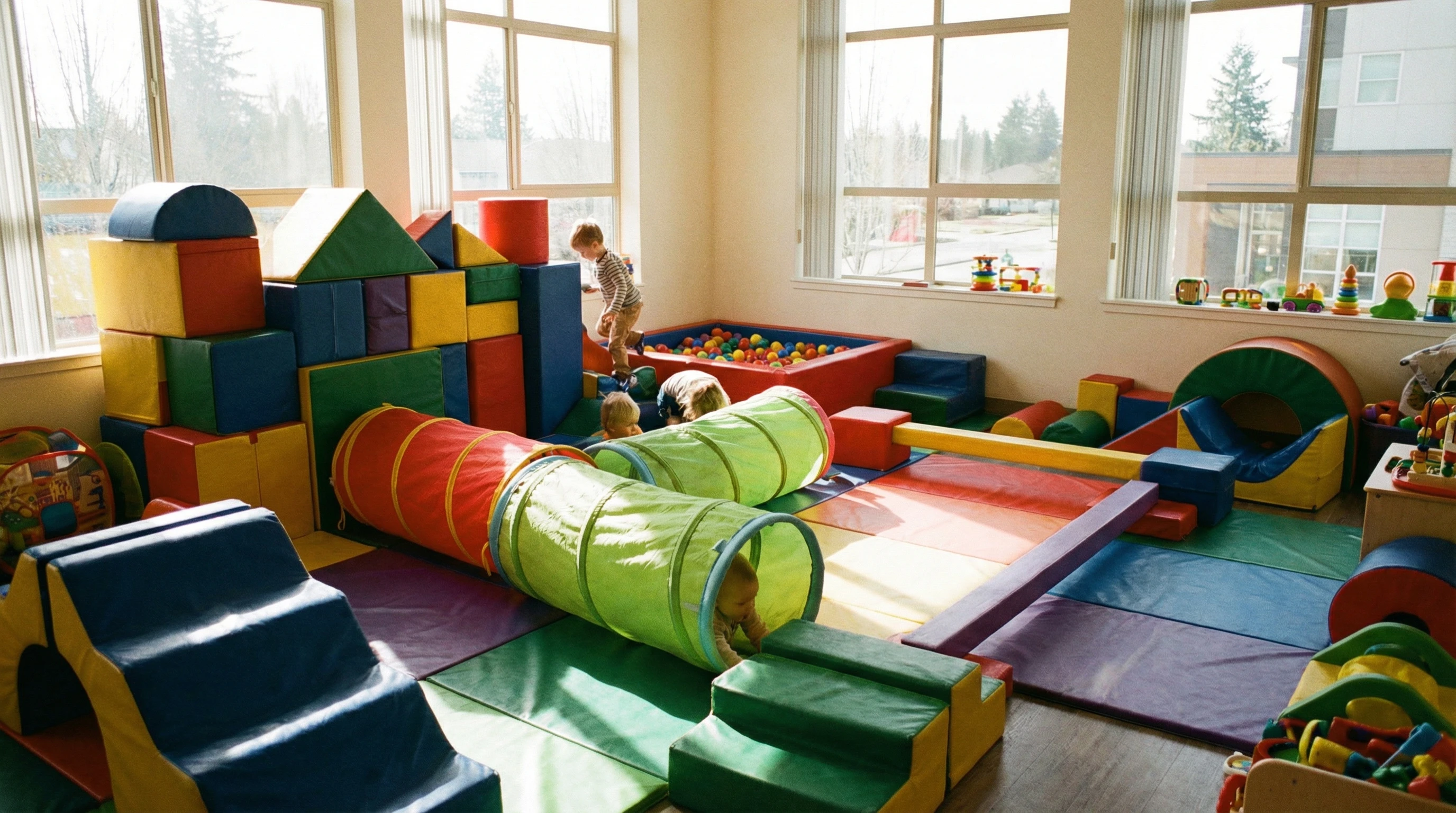
Indoor play doesn’t always mean sitting still. Toddlers have tons of energy to burn, and gross motor skill activities are a great way to help them grow stronger, more coordinated, and confident. All this can happen inside your own home. If you’ve got a little one bouncing off the walls or stuck inside on a rainy day, you don’t have to rely on screens or quiet time to get through it. There are plenty of fun, engaging ways to get them moving even when you don’t have much space.
I’ve tried dozens of indoor activities over the years while working in early childhood and raising my own kids. Keeping things fresh and age appropriate can be a real challenge, especially when toddlers crave novelty. The good news is, most of these ideas use stuff you probably already have at home and work for a range of ages from about 1 to 3 years old. You don’t need any special skills—just a willingness to play along and adapt as you go.
This guide will show you practical and fun indoor gross motor skill activities for toddlers, with easy setup tips and ideas that help with balance, coordination, and strength. Whether you want quick games or creative, longer activities, you’ll find options below to keep your little one active and happy indoors. If you’re looking for ways to build your child’s confidence and help them use up their energy productively, you’re in the right place.
Why Indoor Gross Motor Activities Matter
Gross motor skills are the big movements your toddler makes using their arms, legs, and entire body. Think jumping, running, climbing, and throwing. These skills don’t just build strong bodies; they help with balance, coordination, and even brain development. Toddlers who stay active are often better able to focus and more likely to sleep well at night. Plus, practicing movement skills indoors gives kids a chance to try things at their own pace in a safe environment.
Main Benefits of Gross Motor Activities:
- Builds muscle strength and coordination
- Boosts balance and confidence
- Supports healthy growth and healthy habits
- Encourages problem solving and creativity
- Helps channel extra energy (a big plus on bad weather days!)
You don’t need fancy equipment or a huge living room to support your toddler’s gross motor development. With just a few simple setups, you can turn any indoor space into a toddlerfriendly adventure zone. Sometimes all it takes is a change of pace or a few props to get the whole room buzzing with activity.
Simple Gross Motor Games You Can Play Indoors
These classic, low mess indoor activities keep toddlers moving and laughing without a bunch of prep or cleanup. I always keep a few of these in my back pocket for when the energy levels spike. They’re perfect for last-minute play sessions, unexpected rainy days, or just when you need to get the wiggles out before a nap.
1. Obstacle Course
- Lay out pillows, sofa cushions, and blankets to climb over, crawl under, and balance on
- Add safe items to step around, hop into, or crawl through
- Use tape on the floor for lines to walk or jump across
Even a few minutes on a homemade obstacle course boosts coordination and burns plenty of energy. If your child gets bored, switch things up by timing their run or letting them help build the next course.
2. Animal Walks
- Show your toddler how to move like different animals: hop like a frog, stomp like an elephant, waddle like a duck, crawl like a bear
- Mix things up with silly animal sound effects
Animal walks get the whole body moving and are awesome for both bilateral coordination (using both sides) and imaginative play. Kids love making up new animal moves, so ask them to show you a new way to walk or move. It turns exercise into a game.
3. Balloon Games
- Keep a balloon in the air as long as possible. Try using only feet, then only hands
- Make goals or baskets out of laundry baskets for balloon toss challenges
Balloons are soft and easy for toddlers to track, making them great for hand eye coordination and gross motor skills without much risk of breaking things. You can even make up new rules, like playing “don’t let the balloon touch the ground.”
Creative Gross Motor Activity Ideas
Mixing up activities keeps things interesting. Some ideas add a creative twist or turn movement time into a mini adventure. These activities get the imagination working just as much as the body, and can hold a toddler’s attention a little longer than basic games.
1. Indoor Scavenger Hunt
- Hide stuffed animals or blocks around the room
- Give simple movement instructions (“find the teddy, then jump back to me!”)
- Try adding clues or theme based hunts for older toddlers
You can encourage running, jumping, crawling, or hopping from place to place. Scavenger hunts work even in small spaces and build both body and brain skills. If you want to get extra creative, turn the hunt into a color or shape search, or have your child find items that start with a certain letter.
2. Hopscotch and Tape Paths
- Make paths or hopscotch shapes using painter’s tape right on the floor
- Challenge your toddler to jump, tiptoe, or walk like a crab along the lines
Tape activities are super flexible. Set them up in a hallway or a corner of the living room, then pull the tape up when you’re done. You can make twisty paths, zigzags, or even simple shapes. Let your child help design the course or suggest new moves.
3. Dance Party Freeze
- Play your child’s favorite songs and dance around together
- Pause the music and call out a freeze—have everyone stand on one foot, make a silly pose, or crouch down low
Freeze dance is great for teaching body control and making movement fun even for reluctant movers. You can add props, like scarves or hats, to make it even more fun. Toddlers usually love to take turns being DJ and pausing the music.
Adapting Activities for Small Spaces and Safety
Most people don’t have a gym at home. I’ve made indoor gross motor play work in apartments and tiny rooms. Sometimes all you need is a little space cleared of tripping hazards and a willingness to be flexible.
Tips for Small Spaces
- Push furniture to the walls to create a safe play zone
- Use hallways for races or tape lines
- Choose activities like animal walks or tape games that don’t need much room
With toddlers, safety’s super important. Always supervise play, especially anything involving climbing, hopping, or objects that could be slipped on. Use soft mats or carpets where possible, and check for sharp edges or breakable items before starting. You can also teach simple safety rules, like stopping when someone says “freeze.”
Setting Up an Indoor Gross Motor Play Area
Even a designated rug or playmat makes a huge difference. Having a ‘movement spot’ signals to your toddler that it’s time to get active. For a little more structure, consider adding:
- Foam blocks or play tunnels
- Popup tents or small slides (if you have the space)
- Soft balls or beanbags for tossing and catching
- Balance beams made from painter’s tape or rolled towels
Rotate toys and props to keep things interesting. Toddlers love novelty. Bins or baskets make cleanup much easier and help your child learn to tidy up after playtime. You could also create themed play mornings—jungle day, circus day, or sports day—so your child looks forward to what’s next.
Staying Consistent (But Not Rigid)
Movement doesn’t have to be scheduled or perfect; it just needs to happen often. A few minutes here and there add up. Some days, you might get 30 minutes of active play, while on hectic days, 10 minutes will do. The best approach is to watch your child’s mood and follow their lead.
How to Encourage More Indoor Movement
- Join in and play alongside your toddler. They’ll love the attention
- Keep activities low pressure and let them lead when possible
- Celebrate effort and playfulness, not just skill mastery
Some kids love to move, while others need a nudge now and then, especially if they’re feeling clingy or tired. Variety helps, and so does keeping the mood light. Singing, silly faces, or favorite music can make all the difference. If your toddler can “help” plan the activity, they’re more likely to get involved.
Common Questions & Troubleshooting
What if my toddler doesn’t want to participate?
Toddlers go through phases where they resist certain activities. Try switching up your approach, like making it part of a story, inviting their favorite stuffed animal, or letting them pick the activity. Sometimes, just starting the game yourself is enough to get them curious. Be patient—forcing things rarely works, but playful invitations usually pay off.
How can I keep things safe indoors?
- Keep play areas clear and use mats or rugs to prevent slips
- Choose soft toys and avoid things that could break or be thrown too hard
- Supervise climbing or jumping, and set gentle boundaries (“keep feet on the floor”)
Should I correct their form during play?
Unless your toddler is putting themselves at risk, let them experiment with how they move. The main goal is to let them practice, try new things, and enjoy their body in motion. Gentle encouragement works better than over correcting, and makes playtime more enjoyable for everyone.
Getting Started: Easy Steps to More Movement
Indoor gross motor activities help toddlers grow and thrive, even on the days you can’t get outside. Picking two or three ideas from this list and trying them out is usually enough to get started. Every little bit of movement adds up, so don’t stress about being perfect.
Your Quick Start Checklist:
- Clear a safe play zone
- Pick a simple movement activity (animal walks or balloon toss are popular for a reason)
- Join in and have fun together
Sometimes, moving furniture and prepping activities feels like a chore, but it pays off in better moods, fewer tantrums, and lots of giggles. Keeping it light, flexible, and fun makes indoor play something you’ll actually look forward to instead of just surviving until the weather improves. Remember, even on days when energy is low, a little movement goes a long way—so jump in and enjoy the adventure with your toddler.