
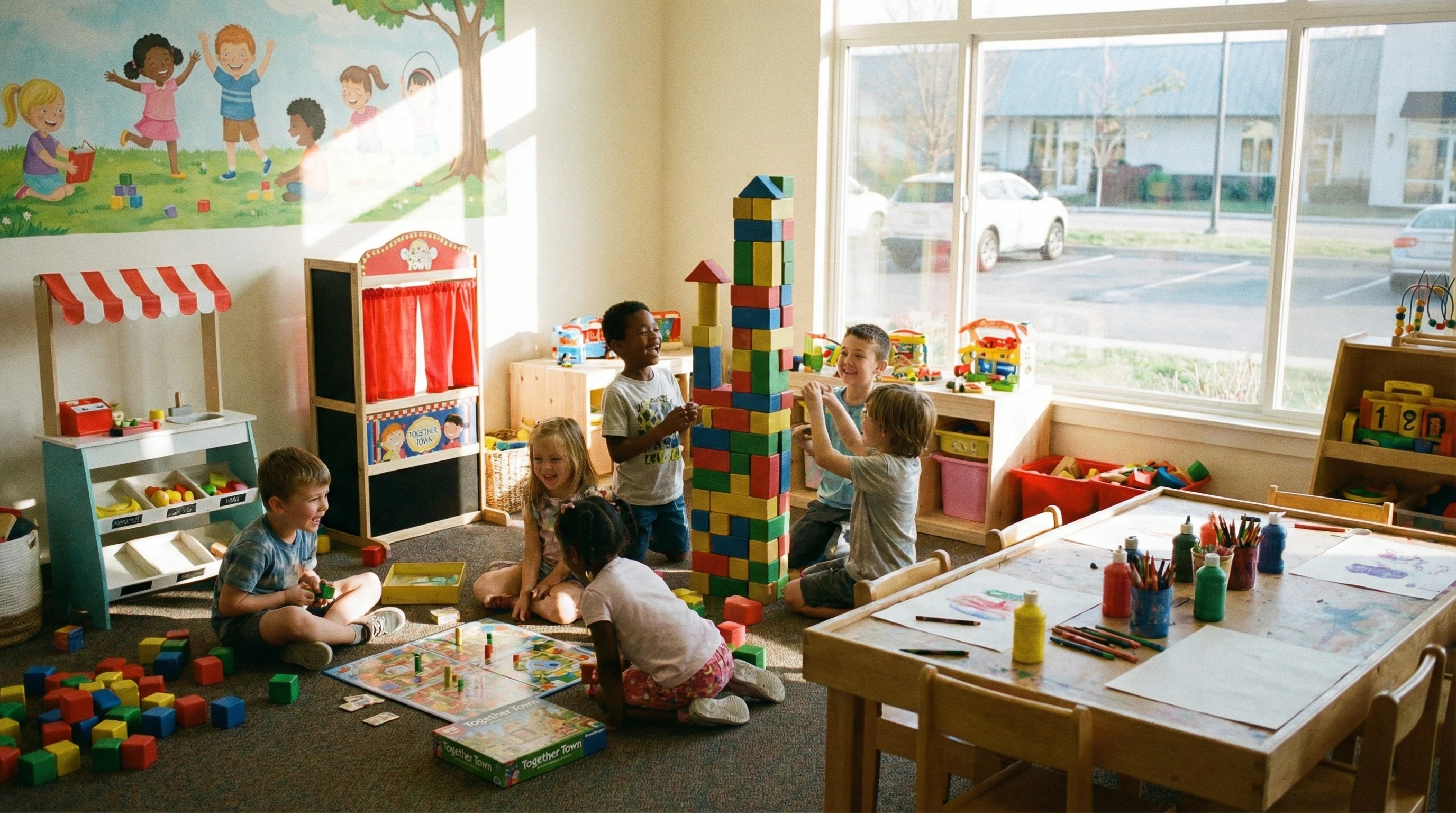
 Strong social skills set the stage for kids to build healthy relationships, express themselves clearly, and handle everyday interactions without too much stress. Some kids seem to pick these up almost naturally, but others might need some guidance. No matter where a child starts, there are plenty of practical ways to nurture and boost social confidence.
Shy moments, disagreements on the playground, or trouble sharing toys—these are all pretty common. Building social skills is all about learning to communicate, cooperate, and understand feelings, and it’s an ongoing process for kids. The earlier we help kids build these skills, the easier social situations get for them as they grow.
This guide covers practical, step-by-step strategies to make social skill building easier and more fun for young children. With patience and the right encouragement, every child can learn to feel comfortable and confident around peers. Along the way, you’ll find that both small and big milestones make a difference for your child in their everyday world.
Start With the Basics: What Are Social Skills?
Social skills include things like saying hello, making eye contact, and taking turns, as well as recognizing feelings in others and solving problems after a disagreement. For young kids, these might appear as asking to join a game or being able to say “sorry” after an argument.
Core Social Skills for Young Kids
- Making friends and joining groups
- Listening and taking turns in conversation
- Sharing and cooperating with others
- Understanding and using body language
- Recognizing emotions and showing empathy
- Expressing feelings with words
Working on these early helps kids handle everything from group projects to family events with more ease. These basic skills pave the way for communication that will come in handy from preschool through adulthood, so it’s worth putting in the time at an early age.
Create a Social Rich Environment
Young kids learn best from experience, so it helps to give them lots of chances to practice their social skills in everyday life. Even simple moments like chatting with a neighbor or playing at the park can make a difference.
Easy Ways to Build Social Experiences
- Regular playdates with one or two peers
- Visits to playgrounds or group activities (like story time at a library)
- Family game nights with groupbased board games
- Pretend play, acting out shopping, restaurant, or school scenarios
I’ve seen how board games can work wonders. Games like Candy Land aren’t just for fun; they give kids a chance to take turns, follow rules, and cheer each other on, helping them develop teamwork and patience. Activities like these build up positive connections at home and in the community.
It’s not about signing up for loads of activities. Even small, regular social experiences at home or nearby can make a big impact. Take notice of moments when your child interacts well with others and gently encourage more of those opportunities.
Model and Practice Social Behaviors
Kids watch adults closely and often act out what they see. Modeling means showing, not just telling, what good social skills look like. This doesn’t take fancy explanations; little things add up and make a bigger difference than you might expect.
Ways to Model Social Skills
- Use polite words (“please,” “thank you,” “excuse me”) in front of your child
- Treat others kindly, especially during disagreements
- Welcome your child’s friends warmly
- Use a friendly tone and eye contact during conversations
RolePlaying Activities
- Pretend you’re meeting a new friend and practice greetings together
- Act out scenarios, like asking to join a game or handling frustration
- Switch roles, letting your child be the grownup for a few minutes
Kids love pretend play, so things like stuffed animal tea parties or doctor visits can sneak in lots of social practice. Keep things light and playful, and let them take turns choosing roles. As they get comfortable, you’ll start to notice your child bringing their new skills into real situations naturally.
Encourage Communication and Emotional Skills
Kids aren’t born knowing how to talk about their feelings, and sometimes they show them instead, through stomping, yelling, or hiding. Talking about emotions helps younger kids understand their own feelings and notice them in others.
Talking About Feelings
- Label emotions simply: happy, sad, excited, frustrated
- Use storybooks to spark conversations (“How do you think the bear feels?”)
- Share your feelings aloud (“I feel proud when you help your friend”)
Active Listening Exercises
- Set aside a few minutes each day for your child to talk about their day
- Show you’re listening; repeat back key points and ask questions
- Praise efforts, even when stories ramble (“Thanks for sharing, that was interesting!”)
Being open with your feelings shows kids it’s okay to express themselves and ask for help. It sets a great example and lets your child know that all emotions are welcome, not just the happy ones. When kids see adults openly acknowledging and talking through feelings, they learn helpful strategies for managing their own emotions.
Build ProblemSolving Skills Together
Conflicts over toys or turn taking are normal for young children. What matters is not avoiding conflict, but learning how to handle it. Problem-solving gives kids tools to manage disagreements now and as they get older.
Steps for Gentle ProblemSolving
- Help your child name the problem (“You both want to play with the same truck.”)
- Brainstorm possible solutions together (“What could you do?” or “How can you share?”)
- Let your child try out a solution, even if it isn’t perfect
- Talk through what worked and what didn’t after the situation calms down
This approach helps kids learn to listen to each other, consider different ideas, and see that it’s normal to work through misunderstandings. Over time, kids start using these conflict management skills on their own, building independence and confidence.
You might notice your child suggesting compromises or using calmer words after disagreements with siblings or friends. That’s a sign the process is working.
Encourage Positive Peer Interactions
Kids feel more confident when they know how to join a group, introduce themselves, or handle rejection without being upset for too long. These situations pop up everywhere from the playground to family gatherings and help your child adapt socially.
Tips for Helping Kids Make Friends
- Practice simple greetings (“Hi, can I play too?”)
- Roleplay joining a game or starting small talk
- Show how to invite others (“Do you want to build with blocks with me?”)
- Encourage kindness by helping your child notice when someone’s left out and asking how they could include them
If a child struggles to join groups, set up smaller play sessions or projects where everyone has a part. Lego builds or simple crafts are great for this. You can help by staying nearby at first, gently guiding but letting your child do more as they gain confidence.
Stay Consistent and Be Patient
Social skill building isn’t a quick process. Kids need reminders, encouragement, and lots of tries. Every child picks it up at a different pace, which is totally normal. And every success, no matter how small, is an important step in their adventure toward social confidence.
Ways to Support Progress
- Notice and praise effort, not just results
- Give reminders before social situations (“Remember to look at your friend when you say hi”)
- Share stories about times you felt nervous and how you managed it
- Manage your expectations by setting small, realistic goals
Over time, consistent practice pays off. Even small wins, like saying hello to a neighbor or sharing a snack, are worth celebrating. Make note of the progress your child makes—those moments will add up and help build lasting confidence.
Common Questions & Quick Answers
What if my child is extra shy?
Shyness is pretty common. Start with low-pressure situations, like playing with a cousin or drawing near another child. Gradually build up to bigger groups. Give lots of encouragement but don’t push too fast. Let your child set the pace, and let them know it’s okay to feel nervous or need a break sometimes.
My child has meltdowns after rejection. What do I do?
- Normalize the feeling (“It’s OK to feel upset when someone says no.”)
- Talk through what happened after they’ve calmed down
- Practice what to say next time (“Maybe we can play together later.”)
How often should I practice social skills with my child?
A few quality interactions each week are usually enough. Make each opportunity count—keep it short, upbeat, and pressurefree. Life is busy, but consistency matters more than quantity. Watch for those everyday moments to reinforce positive social steps.
Final Tips & Next Steps
Building social skills in young kids is about daily practice, encouragement, and plenty of play. By modeling good behavior, giving kids a safe space to try out new interactions, and talking openly about emotions, you’ll help your child grow into an empathetic and confident communicator.
Action Plan:
- Pick one social skill to focus on this week, such as greeting others or sharing during play.
- Arrange a relaxed playdate or do a family board game night.
- Use daily routines to model positive language and problem-solving, like during meals or car rides.
Which social skill are you most excited to work on together? Share your tips or stories—I’m happy to read them! Remember, your enthusiasm and patience set the best example for your child as they learn to make friends, solve problems, and communicate kindly with others.