
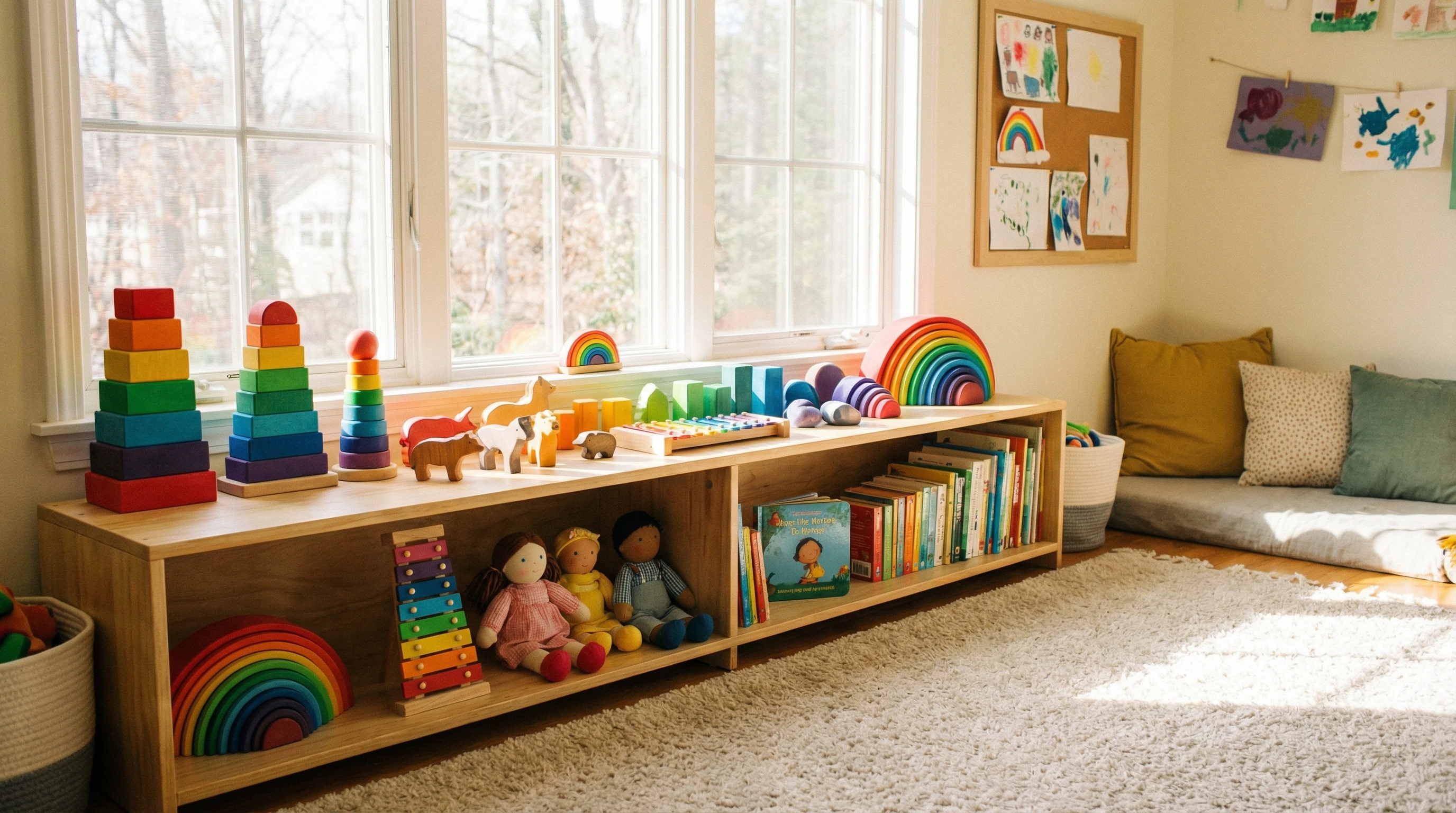
 Positive behavior in toddlers sometimes feels like chasing unicorns; one moment things look great, and the next, a meltdown seems to come out of nowhere. I know from experience with lively little kids that encouraging positive choices can go a long way toward making daily life more peaceful for everyone. Focusing on building good habits early helps toddlers feel secure and confident, and it makes parenting less stressful too.
Even though toddlers test limits and sometimes throw spectacular tantrums, these early years are also packed with opportunities for guidance. Gentle encouragement, clear boundaries, and patient support can all create an environment where positive behavior shows up more often. I’ve seen firsthand that you don’t need fancy charts or rewards—just some simple, reliable strategies that fit your family and your child’s temperament.
This guide covers practical, friendly ways to encourage positive behavior in toddlers. No matter where you’re starting from, these techniques help your toddler grow into their best self, and create a happier environment for everyone at home.
Affiliate Disclosure: This article contains affiliate links. If you purchase through these links, Blooming Sprouts Preschool may earn a small commission at no extra cost to you. We only recommend products we believe support positive parenting, early childhood development, and family learning.
1. Set Clear and Simple Expectations
Toddlers thrive when they know what’s expected of them. I always suggest keeping rules simple because younger kids don’t remember long lists. Short phrases work best, such as “feet on the floor,” “gentle hands,” or “clean up when we’re finished.” Giving clear directions helps toddlers learn how to act, and repeating the same gentle prompts helps everyone stay on the same page. The key is to keep expectations age-appropriate and realistic for your child’s developmental stage.
Tips for Explaining Expectations
- Use calm, consistent language: “Toys stay in the play area.”
- Show as you tell: Demonstrate putting blocks away, for example.
- Give reminders before trouble starts, not just after.
Short, clear instructions work even on the most distracted day, and I’ve dealt with plenty of those. When children know what’s expected, there’s less room for uncertainty and more opportunities for success.
2. Be Consistent with Boundaries
Toddlers love, and honestly need, predictable routines. I’ve noticed that when boundaries wobble, behavior gets more unpredictable too. If you decide there are no cookies before dinner, stick to it. When rules are always the same, kids don’t have to guess, and things go a lot more smoothly. Consistency lets toddlers feel more secure—knowing what to expect from their environment helps them relax and cooperate.
Easy Ways to Stay Consistent
- Keep routines for meals, playtime, and naps steady.
- Reinforce rules calmly, even when tested.
- Avoid threats or big punishments; just repeat the expectation.
Consistency takes patience, especially on tough days, but it truly pays off. I’ve found that toddlers often test just to check if the rule is the same as last time. Calm, steady responses make things clearer for both parents and children. If you slip up, that’s okay—just get back to your routine as soon as possible.
3. Model the Behavior You Want to See
Toddlers copy everything, so it helps to show what you mean, not just say it. When I use kind words, take deep breaths, or say “please” and “thank you,” little ones are quick to mirror those actions. Modeling helps make positive behavior feel natural and normal. Children are like little sponges, soaking up our behaviors—both the good and the less desirable—so what we do truly matters.
Ways to Model Positive Behavior
- Speak politely to others and your child.
- Apologize when you make a mistake; this normalizes saying sorry.
- Show patience and use simple coping skills, like taking a pause.
Kids see more than we think. When you brush off frustration or use calm voices during a challenge, those actions stick with them in the best way. Even sharing your own emotions and how you manage them teaches valuable lessons.
4. Use Positive Reinforcement
Positive reinforcement means noticing good behavior and giving it your attention. Instead of focusing just on what went wrong (“Don’t hit!”), I try to point out what they’re doing right (“That was so gentle with the cat!”). Even a high five, a big smile, or a fun dance can make a big difference.
Ideas for Reinforcing Good Behavior
- Give specific praise: “You shared your blocks even when it was hard.”
- Offer extra hugs or playtime after positive choices.
- Use simple reward systems, like a sticker for cleanup, if your child enjoys that.
It’s easy to let small wins pass by unnoticed. Noticing and appreciating them helps toddlers feel proud, which builds confidence for next time. Focusing on progress over perfection can make the whole household feel more positive.
5. Redirect Instead of Reacting
Toddlers test boundaries, and mistakes happen. Instead of scolding, offering a new option can work wonders. For example, if your child starts throwing blocks, show them how to stack or build instead. I’ve seen that redirection doesn’t mean ignoring bad behavior, but guiding it somewhere more positive. This turns a tricky moment into a learning opportunity, and it often diffuses frustration for both you and your child.
How to Redirect Effectively
- Keep it simple: “Blocks are for building, not throwing. Let’s build together.”
- Avoid lengthy lectures; toddlers tune out after a few words.
- Stay upbeat, not annoyed.
This approach helps avoid power struggles and keeps everyone in a better mood. Plus, it helps your child focus on what they can do rather than just what they can’t.
6. Offer Choices When Possible
Toddlers like to feel in control, and giving simple choices can reduce power struggles. Instead of “Put your shoes on now!” try “Do you want to wear your red shoes or blue shoes today?” Giving a toddler ownership over small decisions helps them feel capable and boosts cooperation. Choices also show respect for your child’s preferences, building trust and encouraging positive cooperation.
Examples of Healthy Choices
- “Which cup would you like at snack time?”
- “Do you want to read this book or that one?”
- “Will you clean up the cars or the blocks first?”
Keep options limited to two or three, and always offer choices you’re comfortable with. When you give choices, your toddler is less likely to resist because they feel respected.
7. Prepare for Trouble Spots & Big Emotions
Toddler moods can swing wildly, especially during transitions (think: leaving the park, bedtime, or stopping play for meals). I’ve found that preparing toddlers before these moments can really help. Let your child know what’s coming next: “In five minutes, it’s time to leave the playground.” Preparing kids ahead of time gives them a window to adjust, helping them handle transitions better.
Prevention Strategies for Tough Times
- Give warnings (“One more slide, then it’s time to go”).
- Offer comfort items or distractions for transitions.
- Stay close and supportive when meltdowns happen – they’re a normal part of learning.
Predictable routines and gentle preparation turn many tricky moments into manageable ones. Even if a meltdown happens, staying calm and caring helps your toddler learn emotional skills for the future. Validate your child’s feelings; sometimes just being heard is all they need.
8. Troubleshooting: Common Challenges and Questions
What if nothing seems to work?
Some days, you’ll do everything “right” and your toddler will still struggle. That’s normal. I like to step back, look for patterns like hunger, tiredness, or overstimulation, and get back to basics with routines and extra attention. Sometimes a little time together reading or having a quiet cuddle can reset a rough day. It’s also okay to seek support—from a trusted friend, parent group, or your child’s doctor—if behaviors seem especially out of sync or challenging over time.
How should I handle tantrums or aggression?
- Stay calm; your tone sets the bar for how your child reacts.
- Remove your toddler from unsafe situations, then comfort them.
- Label big feelings: “You’re really mad. I’m here.”
- After your child has calmed down, talk briefly about what happened with simple language.
Is it okay to ignore misbehavior?
If the behavior is just a bid for attention (and not dangerous), ignoring can sometimes work, especially if you immediately give attention for positive choices afterward. Safety always comes first, though. If your child is at risk of harm or harming others, step in firmly but gently.
Building Positive Behavior: Simple Action Steps
Setting up your family for more positive days doesn’t take perfection; just a few steady habits and plenty of patience. Encouragement, consistency, and warmth go a long way with even the sassiest toddler. Here’s a short action list I recommend for anyone starting out:
- Pick one or two clear expectations and share them often.
- Notice and praise positive actions, even small ones.
- Model the behavior you want to see every day.
- Stay steady with routines, especially during tricky transitions.
Every small step makes a difference. Celebrate progress, ask for help when things feel tough, and remember, positive behavior is a skill like any other, learned over time and lots of patient guidance. You’re already making a positive impact! With steady encouragement and loving boundaries, your toddler will develop life skills that serve them long after these years have passed. Keep cheering them on—and yourself, too—as you help your little one grow.
🌱 Help Your Toddler Build Lifelong Positive Habits
Positive behavior starts with patience, consistency, and the right learning tools.
If you’re looking for expert-approved resources, we’ve rounded up our favorite products for parents and preschoolers.
✔️ Positive Parenting Books
✔️ Emotion Flash Cards
✔️ Montessori Learning Toys
✔️ Calm Down Corner Essentials
✔️ Educational Puzzles
✔️ Toddler Storybooks
👉 Browse our recommended parenting resources on Amazon and find tools that make learning and positive behavior fun.