
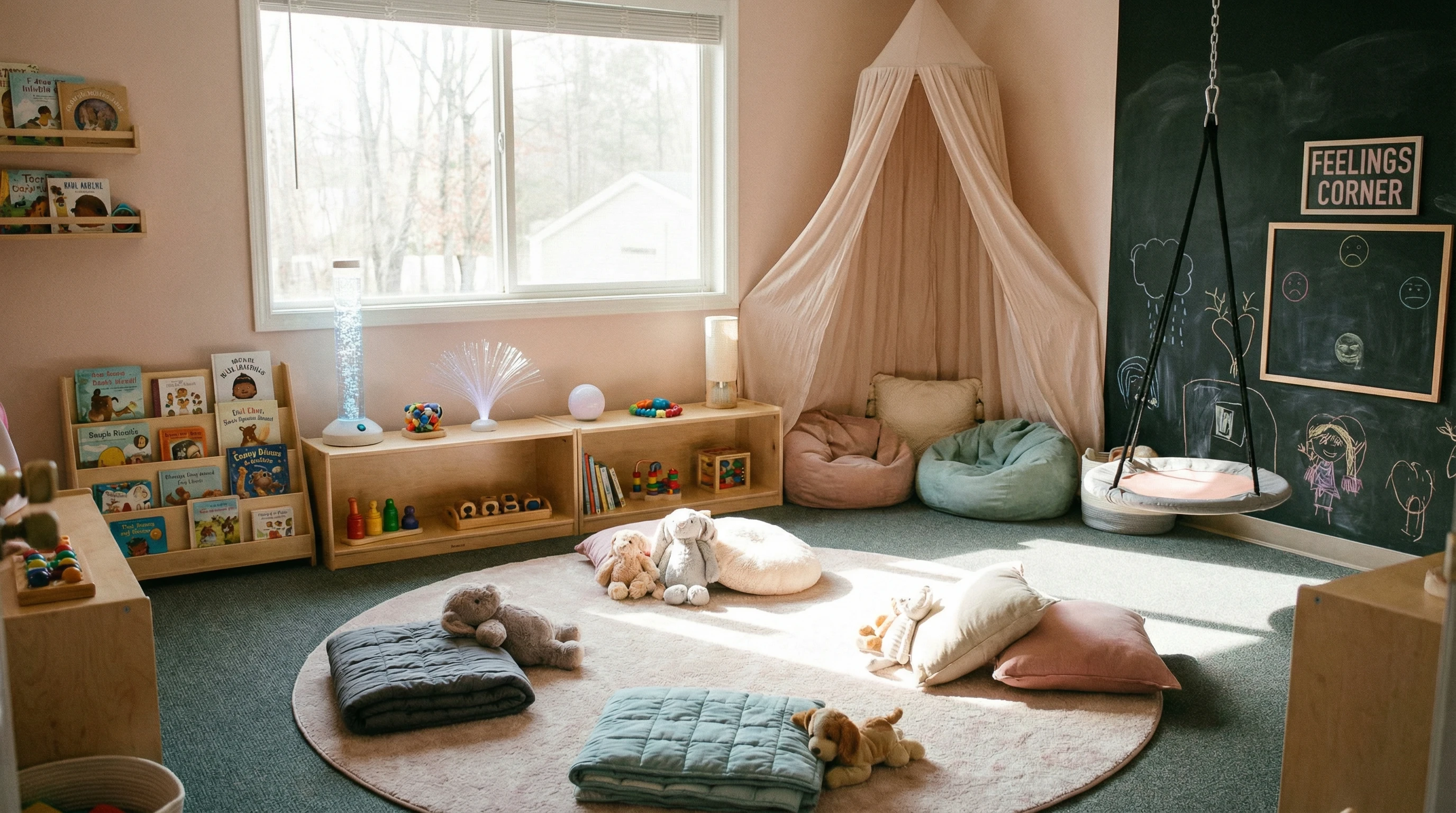
 When anxiety hits kids, it can show up in small ways or seem to take over whole days. As a parent or caregiver, it’s tough watching a child struggle with big worries. Even things like first days at school, social stress, or bedtime can spark anxious feelings. The right support makes all the difference, and it’s easier to help kids when you understand how anxiety works and what the experts suggest.
Child therapists spend their days helping kids and families find tools that really make a change. They’ve picked up plenty of practical tips, and I’ve pulled together their best advice here so you feel a bit more prepared next time your child seems overwhelmed by worry. Whether you’re already seeing some worried signs, or you just want to learn how to help, these expert-backed pointers are worth checking out.
This guide breaks down real strategies that work at home, at school, and in everyday life. From simple exercises to bigger mindset shifts, here’s what therapists wish more people knew about managing childhood anxiety.
Understanding Anxiety in Kids
Kids feel anxiety in all sorts of ways, not always like adults do. Sometimes it’s an upset stomach on school mornings, or asking the same “what if?” questions all the time. Other times, it looks like anger, tears, clinginess, or trouble sleeping. According to therapists, anxiety is a regular part of childhood, but when it starts messing with daily life, or a child can’t shake the worried feeling, it’s time to take a closer look.
Common Causes of Childhood Anxiety
- Transitions or changes in routine
- School or social pressures
- Family conflict or stress at home
- Big events or scary news stories
- Unknowns, like trying something new
Therapists remind me that some anxiety is normal; it helps us prepare or stay safe. The key is offering support before it grows or gets stuck in a loop.
How Experts Suggest Parents Respond
Every therapist I spoke to agreed that the parent’s reaction can make a huge difference. It’s easy to want to “fix” anxiety by offering reassurance or by removing fears. While that’s helpful in the moment, real relief comes when kids feel capable to face fears with support.
Tips for Responding Supportively:
- Stay calm and listen. Try not to minimize fears. Listening helps kids feel understood, even if their worry seems small to you.
- Use validating language. Phrases like “It makes sense you feel this way,” or “You’re not alone in this,” go a long way.
- Resist over-reassuring. Instead of repeating “It’s fine” a dozen times, help your child name the feeling and problem-solve together.
Therapist-backed advice is to show confidence in your child’s ability to handle worry. Try to model calm, even if you’re feeling anxious too.
Everyday Tools You Can Try at Home
You don’t need any special training to help a child with anxious feelings at home. A lot of what therapists do each day is about teaching simple habits and skills, and you can use these too. Remember, building habits takes time. Being patient and encouraging will let your child know you’re on their team.
Easy Ways to Tackle Anxiety at Home:
- Start a Worry Time: Set a daily time (5-10 min) for your child to talk about worries. Keeping it short keeps worry from taking over the day.
- Practice Deep Breathing: Teach diaphragmatic breathing. Try “smell the flower, blow out the candle” to help youngsters slow things down.
- Make a Coping Toolkit: Fill a small box with comforting items: fidget toys, a stress ball, calming scents, or drawings.
- Use Grounding Techniques: Ask your child to name 5 things they see, 4 they can touch, 3 they hear, 2 they smell, and 1 taste. This helps anchor them in the present.
- Encourage creative outlets: Art, music, and movement give kids ways to let out feelings and shift their focus for a while.
These small actions can be super useful. They show kids that big feelings are temporary and teach practical ways to get through tough moments. Over time, these activities can give a boost to your child’s sense of control when anxiety pops up unexpectedly.
How to Build Confidence When Facing Fears
This is where therapists say parents can make the biggest difference. Avoiding scary things feels good for a short time, but when kids slowly work through, rather than avoid, their worries, confidence grows. Getting comfortable with being uncomfortable helps kids in the long run, and shows them they’re stronger than they think.
Exposure, Step by Step:
- Help your child break a challenge into tiny steps.
- Support and encourage after every try, not just for “success.”
- Use praise for effort (“I’m proud of you for trying that!”).
If your child is nervous about sleeping alone, you might start by leaving the room for one minute, then two, and build from there. The idea is to make every step small enough not to overwhelm, and to keep the momentum going. Celebrate each small win, and track progress together to help your child see how far they’ve come.
When to Get Extra Support
Therapists agree that professional help is worth checking out if anxiety becomes persistent or keeps your child from their regular life. It’s not just about how big the worries are, but if they stop your child from growing or enjoying things. Watch for:
- Not wanting to go to school or do things they used to enjoy
- Physical symptoms like headaches, stomachaches, or trouble sleeping
- Refusing to be away from parents
- Anxiety lasting several weeks or growing more intense
Even short-term therapy can help kids learn new skills and feel more capable managing stress. If you’re not sure, ask your child’s doctor or a school counselor for advice. Sometimes, simply talking to another adult helps you feel more confident in your next steps, and gives your child a sense of community support.
Quick Tips for School and Social Situations
School settings and friend stuff can be a tough arena for anxiety. Therapists have a handful of go-to recommendations to help kids out:
- Preview new situations: Talk through what to expect before playdates, appointments, or school events.
- Plan mini breaks: For anxious kids, have options like a quiet corner or short checkins with an adult at school.
- Encourage brave behavior over getting it “perfect.”
- Stay connected with teachers: Brief them on what helps your child and update if things change.
- Role-play social scripts: Practicing greetings or questions can help build comfort in social settings.
Small changes to the daily routine, like getting to class a few minutes early or carrying a comfort item, can really help. Empowering your child to use their voice with trusted adults at school gives them even more support when you’re not around.
Frequently Asked Questions from Parents
Will talking about anxiety make it worse?
Therapists say ignoring anxiety doesn’t make it go away. Honest talk actually helps kids feel less alone and more in control. You’re not reinforcing the worry by listening—you’re helping your child build confidence and resilience to handle it over time.
Is it my fault my child is anxious?
You’re not the cause of your child’s anxiety. Genetics, temperament, and life events all play a part. What matters now is supporting your child with warmth and practical steps. Parenting through anxiety shows your child they always have someone in their corner.
Should I let my child avoid what scares them?
Letting your child step away for a short break can be helpful in tough moments, but over time, avoidance can make fear grow. Taking small, brave steps forward is what therapists usually recommend. Practicing facing fears a little at a time builds resilience and gives kids a boost for next time.
Next Steps and More Resources
Supporting an anxious child is a work in progress for everyone involved. Consistency matters, but flexibility is important too. Some days will be better than others, and that’s okay. Aim for steady effort rather than perfection.
Try these ideas this week:
- Pick one or two calming exercises to practice together. Deep breathing or a coping box can be a good place to start.
- Use worry time if anxiety is taking over conversations, so worries don’t push out fun moments.
- Reach out to teachers or a counselor to loop them in if anxiety shows up at school.
Your child will benefit most when they feel seen and heard, and know it’s okay to have big feelings. If you want to learn more, check out resources from the Child Mind Institute or talk with a local therapist. Every small step helps when it comes to raising confident, resilient kids. You’ve got this, and taking action today is already a step in the right direction.