
 Watching your toddler grow and hit new milestones is one of the best parts of parenting. Sometimes though, you might notice that your child isn’t developing certain skills as quickly as others. Understanding the common signs of developmental delays helps you know when to ask questions, keep a closer eye on things, or seek guidance.
Every child grows at their own pace, but there are certain skills (called milestones) most kids reach at similar ages. These cover how they move, talk, interact, play, and solve problems. Noticing delays doesn’t mean anything is definitely wrong, but acting early can make a real difference for your child’s future. Here, I’ll break down what to watch for, how to check in on your toddler’s progress, and what you can do if something feels off.
Looking for Typical Milestones
Toddlers usually show a steady stream of new skills between ages 1 to 3. Developmental milestones fall under a few big categories, and spotting signs of delay just means noticing when some of these aren’t showing up on schedule.
Main Areas of Toddler Development:
- Speech and language
- Movement (motor skills)
- Social and emotional
- Thinking and problem-solving (cognitive)
For example, most kids say their first words around a year old, start walking by 18 months, and play pretend by age 2. Some kids go faster, others take their time, but big delays or lost skills are worth checking out.
As your toddler explores the world, you’ll see bursts of new behaviors. Each child is unique, so focus on overall patterns instead of just one missed skill. Looking at milestones in context helps you get a feel for your child’s strengths and challenges.
Red Flags by Age Group
Here are some signs that might signal a developmental delay in toddlers. Remember, missing just one milestone isn’t always a big deal. Multiple delays or loss of skills is a bigger reason to talk to a pro for guidance.
Common Signs at 12-18 Months:
- Not babbling, pointing, or using gestures (like waving)
- Does not use single words like “mama,” “dada”
- Not walking or pulling up to stand by 18 months
- Doesn’t show interest in playing simple games like peekaboo
What To Notice at 18-24 Months:
- Doesn’t speak at least 15 words by 18 months
- Can’t walk steadily or falls a lot
- Doesn’t imitate actions or sounds
- Isn’t interested in other children or people
- Doesn’t point to things to show interest
Possible Delays at 2-3 Years:
- Can’t put two words together (like “more juice”)
- Doesn’t follow simple instructions (like “bring the ball”)
- Difficulty running, climbing, or using stairs
- Doesn’t notice or seem to care when a caregiver leaves or returns
- Loses skills they had before (like saying words they used earlier)
Understanding the Different Categories
Delays can show up in one area or more. Knowing the basic categories makes it easier to spot what’s going on. Watching closely helps you stay in tune with your toddler’s growth.
Speech and Language Delays
- Speech delays mean fewer sounds or words, or having trouble putting words together.
- Language delays can be about not understanding directions or not using words meaningfully.
- Check language milestones on ASHA.org
Motor Delays
- Gross motor skills use large muscles (walking, climbing, running).
- Fine motor skills are for smaller movements (like picking up small objects or stacking blocks).
- Delays might look like clumsiness, not using one side of the body, or trouble with feeding themselves.
Social and Emotional Delays
- Not making eye contact or smiling back at familiar faces.
- Preferring to play alone all the time, not responding to their name.
- Not showing interest in pretend play or in other kids.
Cognitive (Thinking) Delays
- Trouble figuring out basic problems (like how to get a toy that’s out of reach)
- Not copying actions or gestures
- Difficulty matching shapes, colors, or objects after age 2
If you notice concerns in several of these categories, that’s a strong sign to check in with a professional. Early awareness helps track down solutions sooner.
Risk Factors and When to Pay More Attention
Some kids have a higher chance of developmental delays, so it’s good to stay extra aware if any of this describes your child:
- Premature birth or low birth weight
- Certain genetic or medical conditions
- Exposure to substance use during pregnancy
- Experiencing major stress or trauma early on
If something about your child’s growth or skills worries you, it’s always okay to bring it up with your pediatrician. Trusting your instincts and asking questions is a sign of great parenting. Your attention and care matter most in helping your child thrive.
What To Do If You Notice Signs
Catching delays early isn’t about labeling kids. It’s about opening the door to extra help when it matters most. The sooner you act, the more support you can get. Remember, you’re your child’s best advocate.
Steps to Take:
- Write down what you notice, including when it started, how often it happens, and anything that seems to help or make it worse.
- Share your notes with your pediatrician or a child development specialist.
- Ask for a developmental screening. These are usually quick and use simple questions or checklists.
Early intervention programs in most areas offer free evaluations for kids younger than age 3. You don’t need a doctor’s referral to get started in many places. For more info and guidance, check the CDC’s tips for finding help.
Many families find that starting this process brings peace of mind as well as extra resources. If your toddler does need support, getting it early can make a world of difference for their future school success and happiness.
Supporting Your Toddler at Home
Whether you’re waiting for an evaluation or just want to encourage development, there’s a lot you can do at home. Regular playtime, reading together, singing, exploring outside, and being present make a big difference. Interacting, talking, listening, and responding helps your toddler’s brain grow even if they aren’t talking much yet. Encouragement and love from you are the most important ingredients.
Simple Ways to Support Development:
- Read books every day, even if it’s just looking at pictures.
- Sing simple songs and encourage dancing or clapping.
- Let your child try things on their own, like feeding or dressing.
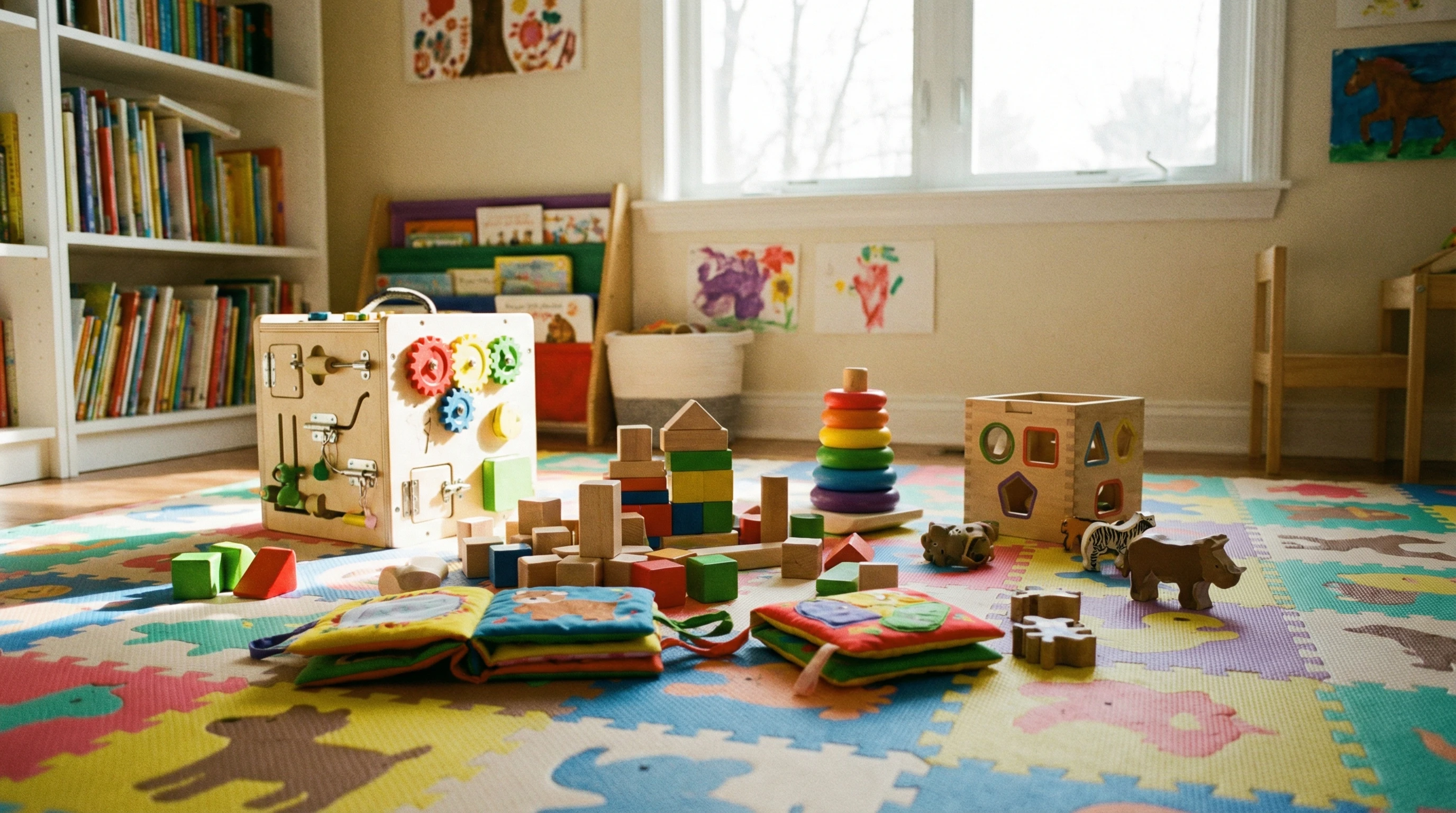
- Offer toys and activities that help practice skills, such as stacking blocks, shape sorters, or puzzles.
- Get down on their level for play and label what you see and do (“You found a red ball!”).
- Encourage making choices by offering two options during play or meal time.
- Praise efforts and progress, not just the end result; this builds confidence and joy in learning.
Variety in play and daily routines helps toddlers stretch new skills and keep growing. Let your child take the lead sometimes to spark curiosity and creativity. If you have questions, there are parenting classes and online resources with playful ideas for every age and stage.
Common Questions & Troubleshooting
What if my child is just shy or stubborn?
Every toddler has a unique personality. A shy child or one who prefers solo play isn’t automatically delayed. If you’re noticing missed milestones in more than one area or skills lost over time, check in with your doctor for peace of mind.
Can a late talker catch up?
Many late talkers do catch up. Still, it makes sense to check in, especially if your child isn’t showing other signs of understanding language or doesn’t gesture, make sounds, or respond to you consistently. Support at home with reading and conversation can help, but early screening provides extra reassurance.
Will I be blamed if there’s a delay?
Developmental delays aren’t anyone’s fault. Early support gives your child the best possible chance. Pediatricians and therapists are there to help, not judge. It’s about partnering for your child’s bright future. Many parents find talking with professionals reassuring and helpful, and it helps you map out the best next steps.
Next Steps and Takeaway
Knowing what’s typical, along with what’s not, gives you confidence as a parent. If you spot possible delays, don’t wait to get another opinion. Early help changes lives, and you know your child best.
Your Checklist:
- Notice which milestones your toddler does or doesn’t reach.
- Keep notes and share concerns early with your pediatrician.
- Look up local early intervention services if you want a second opinion.
- Stay patient and loving—your support means everything.
- Reach out to other parents, local support groups, or parenting experts to share experiences and get advice.
Worried about your child’s development? Reach out to a trusted professional or local support group. Remember, child development is an adventure, and you’re your child’s greatest champion on this ride. Keep nurturing, asking, and cheering them on every step of the way!