
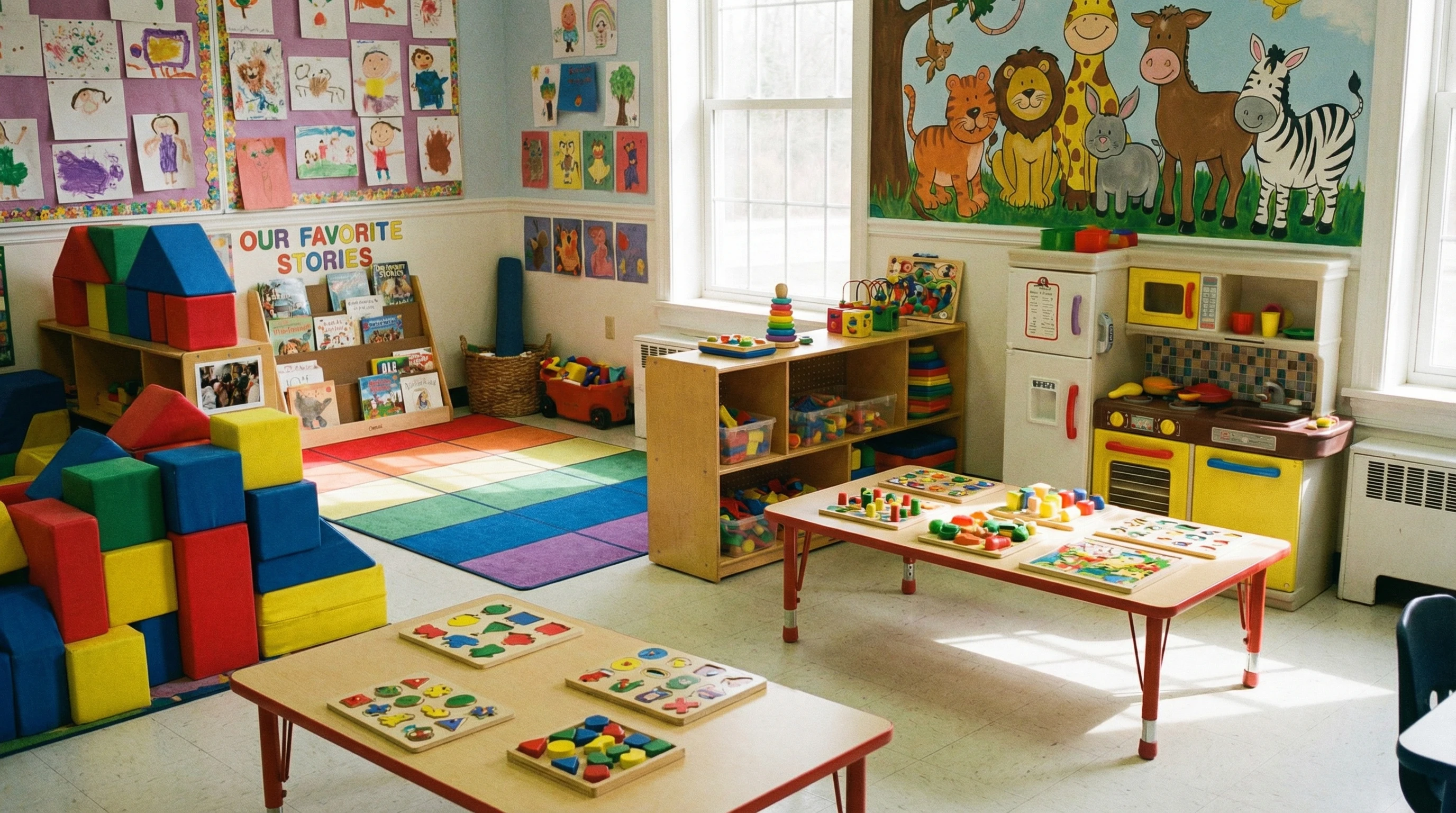
 Strong social skills in preschoolers make a huge difference in their ability to form friendships, solve problems, and communicate their feelings. Even though every child is unique, giving support at this early age has lasting benefits well into elementary years and beyond.
If you’re a parent, caregiver, or educator, you know it can get tricky figuring out what helps kids play nicely, express themselves, or bounce back from a playground disagreement. The cool part? With a few mindful strategies and plenty of patience, you can set young kids up for success. This makes their days less stressful, and way more fun.
Here, I’m sharing practical tips and ideas for promoting healthy social skills in preschoolers, rooted in research and real-world experience. These suggestions work well at home or in the classroom, so feel free to use whatever fits your world best. Social development is a key part of early learning—helping children lay the foundation for empathy, cooperation, and lifelong confidence.
💡 Transparency Note
Some of the links in this article are affiliate links. This means we may earn a small commission at no extra cost to you. These commissions help support early childhood education initiatives and future learning projects.
1. Show, Don’t Just Tell: Being a Social Role Model
Kids are like social sponges. They pay close attention to how adults around them talk, listen, and handle tricky moments. If I say “please” and “thank you,” or calmly explain why I’m upset, little ones notice and learn from it.
It helps to use these moments out loud. For example, “I’m feeling disappointed because we can’t go outside right now. But we can play a game together inside instead.” Simple, everyday modeling shapes how preschoolers handle their own emotions and relationships.
Ways to Model Good Social Skills:
- Use friendly greetings and encourage turn taking in conversations.
- Show empathy if someone gets hurt (“That looked like it hurt. Are you okay?”).
- Help solve conflicts peacefully (“Let’s find a way you both can use the red block.”).
These day-to-day actions are easy for children to see and understand. Plus, they feel more comfortable copying them.
2. Set Up Play Opportunities That Boost Cooperation
Preschoolers learn best when they play. I’ve found collaborative activities, like building with blocks, playing pretend kitchen, or doing puzzles together, give kids a chance to work as a team, talk through ideas, and practice sharing.
Fun Ideas for Social Play:
- Group art projects where everyone adds their own touch.
- Simple cooperative games (like rolling a ball back and forth) instead of only competitive ones.
- Partner story time, where two kids tell or act out a story together.
It’s helpful to stay nearby, especially if conflicts or confusion pop up. Gentle guidance, such as “How could we take turns with this toy?”, helps them get back on track and builds confidence over time.
Don’t forget to celebrate teamwork! Whether kids complete a puzzle together or build a block tower, point out their hard work as a group. This builds community and reinforces cooperation as a positive experience.
3. Encourage Expressing Feelings With Words
Young kids often show feelings through actions. Hitting, grabbing, or shouting may happen because words don’t always come easily at first. Helping them put emotions into words is really important for building strong social skills.
I usually start by naming feelings. For example, “It looks like you’re sad because he took your truck.” Over time, kids pick up on the language you use and try it themselves. Celebrating these moments, even for little attempts, is a big confidence booster.
Tips for Helping Kids Name Feelings:
- Read stories about emotions or watch short shows where characters solve problems together.
- Talk about your own feelings in the moment (“I feel happy when we clean up together”).
- Use picture cards or emotion wheels to give visual cues.
These tools encourage kids to practice and make it less scary to talk about big feelings during tricky moments. Sometimes, drawing faces or acting out feelings can help little ones express what words can’t capture yet.
4. Practice Taking Turns and Sharing in Everyday Routines
Taking turns and sharing sounds basic, but it takes tons of practice in real life. Preschoolers need lots of support to learn when and how to wait their turn.
Easy Ways to Build Turn Taking Skills:
- Use mealtime routines for passing items (“It’s your turn to hold the spoon!”).
- Play simple board or card games where waiting is part of the fun.
- Offer reminders and encouragement (“After your turn, it’s Maya’s turn”).
If a child struggles, having a quick chat about how others feel helps. Sometimes I’ll say, “When you finish, he gets a chance; that way, everyone feels included.” Positive praise for successful sharing is super motivating at this age.
Try rotating toys or creating “sharing baskets” with a mix of favorite items so kids get used to choosing and waiting in turn. Even creating a visual “turn timer” can make waiting easier to understand.
5. Help Preschoolers Handle Conflict Gently
Arguments over toys, space, or even what game to play pop up daily with young kids. Instead of jumping in to sort it out every time, I encourage them to use words or ask for help. This guidance gives children a chance to figure things out and learn to compromise.
Simple Steps to Guide Conflict Resolution:
- Stay calm and use a neutral voice.
- Ask each child to tell their side (“What happened?” “How do you feel?”).
- Encourage them to offer ideas for solving the problem together.
- Help them agree on a solution, or offer suggestions if they get stuck.
These steps take practice, so early support and lots of patience are needed. Over time, kids start to handle more disagreements without always needing an adult to step in.
Remember to praise their problem solving and reinforce positive solutions. Every conflict solved is a step closer to self-reliance and strong friendships.
6. Teach Empathy Through Everyday Experiences
Empathy might sound like a big concept for preschoolers, but small moments really do add up. Pointing out how others might feel, celebrating kindness, and checking in on classmates or friends are all simple starting points.
Ways to Build Empathy:
- When someone looks sad, encourage your child to check if they’re okay or offer a toy.
- Make kindness a daily goal (“What nice thing can we do for someone today?”).
- Read books where characters show caring or solve problems together.
Positive attention for caring actions encourages these behaviors. Phrases like “That was really kind of you!” help them see the value of empathy. Over time, routine check ins (“How do you think your friend feels?”) can help kids get a better sense of others’ emotions.
You might also get involved in small community projects; for example, drawing pictures for neighbors or making cards for family members fosters empathy and connection beyond the classroom or home.
7. Support Independence, But Stay Nearby
Preschoolers grow when they can try things on their own, even if it means small mistakes. I like setting up activities where kids get to choose partners, solve simple problems, or decide what game to play. This builds confidence and teaches responsibility for their choices.
It’s also helpful to have a familiar adult available. Just having nearby support gives young kids courage to step out of their comfort zone with peers. Be ready with encouragement and gentle reminders, but let kids make choices and solve problems in their own way whenever possible.
Encouraging self-help skills, such as putting on jackets or washing hands, also supports social confidence and independence. Celebrate these achievements, however small.
8. Create a Safe Environment for Social Risk Taking
A warm, welcoming space lets little ones experiment with talking to new kids, trying unfamiliar games, or asking questions. Displaying artwork, offering a variety of toys, and giving kids chances to switch up activity stations encourages friendly exploration.
Praise for effort (“I noticed you said hello to someone new!”) means a lot, even if the first try is a little awkward. Simple, safe challenges help children keep practicing, and every small step counts. Feeling safe allows kids to test new skills without fear of making mistakes.
Mixing in some group activities with free play stations gives children plenty of chances to practice choosing, approaching others, and exploring social boundaries in a caring environment. Check in often to make sure everyone feels included and safe.
Final Thoughts
Growing social skills in preschoolers takes daily practice, gentle reminders, and plenty of encouragement. The strategies I’ve shared make it easier to guide young children as they find their way through the ups and downs of early friendships, sharing, and group play. Every moment spent modeling, supporting, and celebrating these skills plants seeds for confident, caring relationships down the road.
Which tip are you excited to try with the preschoolers in your life? I’d love to hear what works for you or your classroom! Supporting children at this early stage truly sets the tone for smoother interactions and happier days ahead.